Electrical Cable & Wire: Guide To Different Cables & Cords Products Introduction
Author : Tomsan Toms | Published On : 03 Oct 2026
Cables and wires are components found in a variety of electrical and electronic configurations. From residential and commercial applications, to industrial and data center uses, the correct cabling solution is an integral part of any electrical configuration. Selecting the appropriate electrical cable & wire involves a number of considerations.
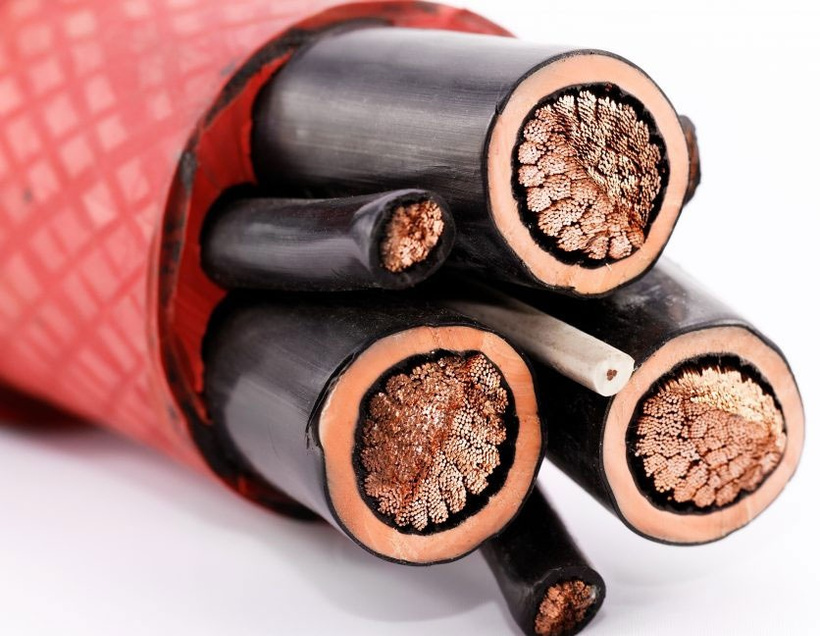
What Is Electrical Cable & Wire?
Electrical Cable & Wire is the modern product that is found in a variety of configurations and specifications. The conductor material, insulation covering, size and construction will all play a role in the electrical properties and performance characteristics of the product. Copper and aluminum are the two most common conductor materials, with the insulation and coating being produced from a range of specifications.
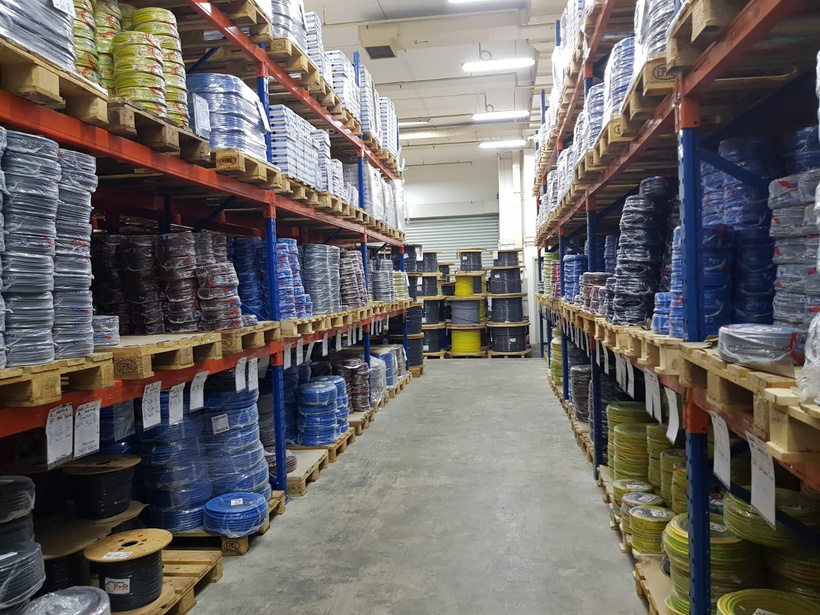
Power Cable for Electrical Energy Transmission
A power cable is primarily designed to perform the function of electricity transmission. They can be used for a range of electrical applications and are generally found in residential, commercial infrastructure and industrial applications. In addition to the electrical properties, the size and structure of the power cable is also chosen based on the intended application.

Composite Cable For Multiple Requirements
A composite cable is a product that utilizes a combination of different conductors or signal transmission elements within a single cable construction. Depending on the design and signal requirements, the product can be used to simultaneously transmit power, control signals, and other data or signals.
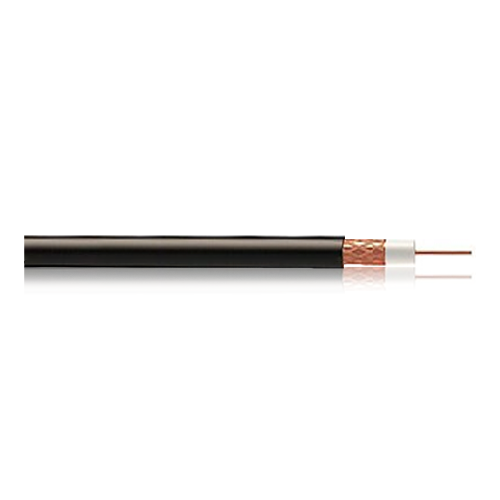
Coaxial Cable for Signal Transmission
A coaxial cable is an electrical cable that is generally utilized for signal transmission. The cable construction consists of a central conductor, insulation dielectric, conductive shielding and an outer layer of insulation. The coaxial construction allows for the reliable transmission of high-frequency signals and is generally chosen for applications involving video, communication, radio frequency (RF) and surveillance.
Flexible Cable for Moving Applications
A flexible cable is a type of electrical cable that is designed to be moved or bent regularly. They tend to be used in applications that involve robotics, automated machinery, sensors, and other applications that involve regular movement or flexing of the cable. The cables generally utilize a stranded conductor construction that allows them to be bent or twisted without breaking.
Industrial Cable for Demanding Environments
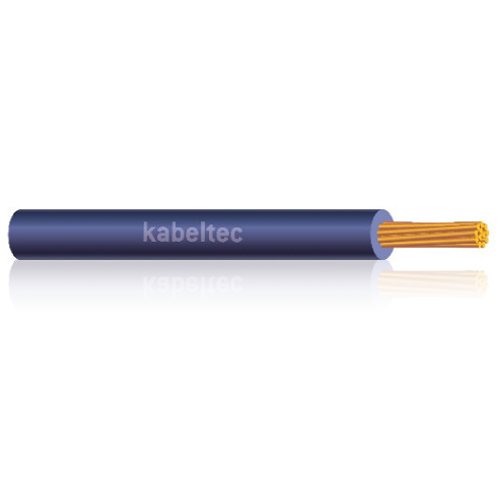
An industrial cable is a type of electrical cable that is designed to be used in a range of different industrial applications. Due to the mechanical and environmental demands of these applications, the cables generally have to be durable and resistant to a range of environmental influences. Industrial cables can be used in a variety of manufacturing and industrial applications.
High-temperature Cable for Extreme Conditions
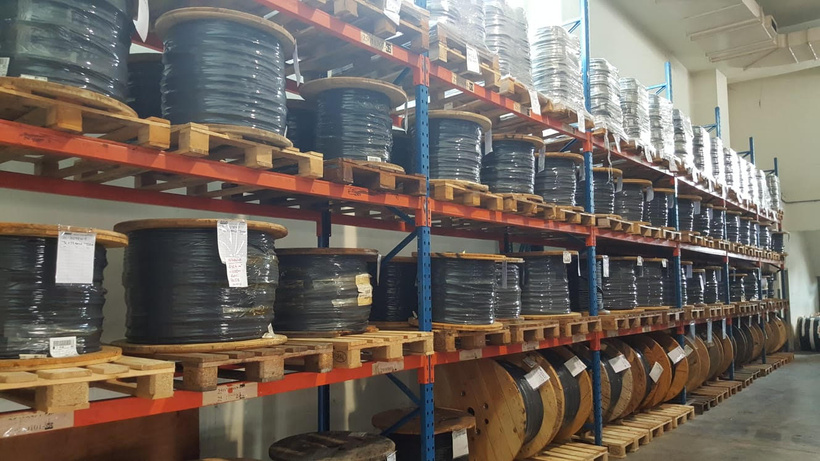
There are times when the standard cable product may not be up to the task of a given application. A high-temperature cable is a type of product that is designed to be used in high-temperature environments. They can be used in a variety of different applications, with the most common ones being related to ovens, furnaces, heating equipment, engine applications and manufacturing and processing machinery.
Conclusion
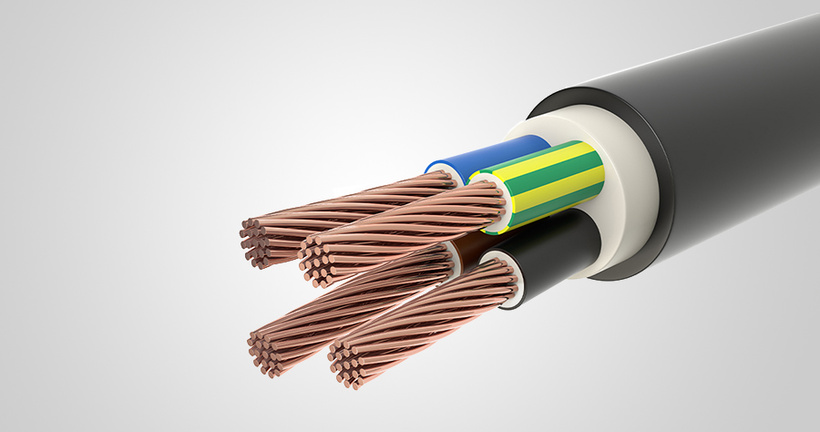
The electrical cable and wire industry encompasses a vast range of different products that serve different functions and are designed for specific applications. A power cable solution is used for electrical energy transmission, while the coaxial cable construction provides the necessary signal transmission capabilities. Flexible cable solutions are necessary for applications that involve movement, with industrial cable products being utilized for demanding operational environments.
