EIL Approved Pipes Stockists
Author : Adinox Overseas | Published On : 08 Aug 2026
Industrial piping projects often look straightforward on paper. Select the right material, confirm the dimensions, arrange testing, and deliver the pipes to site. In practice, however, things can become complicated very quickly. A pipe may have the correct grade but incomplete documentation. Another may meet dimensional requirements but fail to satisfy project-specific specifications. Delays can also occur when suppliers cannot provide the required quantity or when inspection documents are not properly coordinated.
This is where EIL Approved Pipes become important for projects involving stringent engineering, quality, inspection, and documentation requirements associated with Engineers India Limited (EIL). Such piping solutions are used across demanding sectors including oil refineries, petrochemical plants, chemical processing facilities, fertilizer plants, power projects, and oil & gas infrastructure.
For buyers, the real challenge is not simply finding a pipe. It is finding a piping solution that matches the project's technical requirements while maintaining traceability, quality, documentation, and delivery reliability.
Common Problems Faced When Procuring Industrial Pipes
1. Material does not match the project specification
One of the most common problems is selecting a pipe based only on its nominal grade or size. Industrial projects can require specific material grades, manufacturing standards, dimensions, schedules, testing requirements, and inspection procedures.
A pipe that appears suitable in a catalogue may not actually satisfy the complete project specification.
2. Incomplete quality documentation
Documentation is a critical part of industrial procurement. Material Test Certificates, heat numbers, inspection reports, test results, and other quality records may be required for project approval and traceability.
When documentation is missing or inconsistent, even technically acceptable pipes can create problems during inspection.
3. Inconsistent dimensional accuracy
Industrial piping systems depend on accurate dimensions for fabrication and installation. Variations in outside diameter, wall thickness, length, straightness, or end preparation can create difficulties during fit-up.
This can lead to additional fabrication work, installation delays, and unnecessary costs.
4. Difficulty sourcing the required quantity
Large projects may require pipes in different grades, sizes, schedules, and lengths. A supplier that can provide only a small portion of the requirement may create logistical problems.
This is particularly challenging when project schedules are tight and materials must arrive according to fabrication or construction milestones.
5. Poor traceability
Traceability becomes especially important in critical applications. Buyers need to know where the material came from, which heat it belongs to, and which tests were performed.
Weak traceability can make inspection and quality verification unnecessarily difficult.
Why Do These Problems Occur?
Most procurement problems are caused by treating industrial pipes as standard commodity products instead of engineered project materials.
A pipe specification can involve several factors at the same time:
- Material grade
- Applicable ASTM, ASME, API, or project specification
- Pipe manufacturing method
- Outside diameter
- Wall thickness and schedule
- Length
- End configuration
- Heat treatment
- Chemical and mechanical testing
- Non-destructive examination where specified
- Inspection requirements
- Certification and traceability
- Packing and marking requirements
Another reason is inadequate communication between the buyer, manufacturer, inspection team, and project engineering department. Even a small misunderstanding regarding grade, schedule, testing, or documentation can become a major issue once the material reaches the project site.
That is why choosing experienced EIL Approved Pipes Manufacturers is an important part of the procurement process.
Effective Solutions for Better Pipe Procurement
The best approach is to establish the technical requirements before placing the purchase order.
Start with the complete specification
Instead of asking only for a particular pipe grade, provide the supplier with the complete requirement. This should include size, thickness or schedule, quantity, applicable standards, manufacturing type, testing requirements, inspection requirements, and documentation requirements.
If the project has an approved vendor or project-specific specification, those requirements should also be clearly communicated.
Verify quality documentation
Before dispatch, documentation should be checked carefully. Depending on the project requirement, this can include Material Test Certificates, dimensional inspection reports, hydrostatic or other specified test reports, heat-treatment records, and third-party inspection documentation.
The objective is simple: the physical material and its paperwork should tell the same story.
Maintain heat-number traceability
Heat numbers should remain traceable from the manufacturing stage through inspection and final delivery. Proper marking and documentation make it easier to identify individual material batches when required.
Plan procurement around project schedules
Rather than waiting until material is urgently needed, procurement should be coordinated with fabrication and construction schedules. Experienced EIL Approved Pipes Suppliers can help buyers plan quantities, sizes, specifications, and delivery requirements more effectively.
How EIL Approved Pipes Help
EIL Approved Pipes are intended for applications where project quality and engineering requirements demand careful control over material selection, manufacturing, inspection, and documentation.
Their value is not simply the word "approved." The important factor is whether the supplied material actually complies with the requirements applicable to the specific project.
These pipes can be sourced in different materials and configurations depending on application requirements. Carbon steel, alloy steel, stainless steel, and other specialized materials may be selected according to service conditions and project specifications.
For example, refinery and petrochemical systems can expose piping to elevated temperatures, pressure, corrosive media, or combinations of these conditions. Material selection therefore needs to consider the operating environment rather than simply the initial purchase price.
Working with experienced EIL Approved Pipes Stockists can also be useful when projects require a combination of standard and specialized sizes. Stock availability can reduce procurement lead times, while project-specific sourcing can cover requirements that are not readily available from inventory.
Key Benefits of Choosing the Right EIL Pipe Supplier
Project compliance
The right supplier understands that compliance involves more than supplying the correct nominal pipe size. Material, specification, testing, inspection, marking, and documentation all need to align with project requirements.
Better quality control
Quality-focused procurement reduces the possibility of receiving material with incorrect dimensions, incomplete testing, or inadequate documentation.
Reliable traceability
Proper heat-number and material documentation provide a clear record that supports inspection and project quality assurance.
Reduced installation problems
Consistent dimensions and appropriate end preparation can make fabrication and installation smoother, reducing avoidable fit-up problems.
Flexible sourcing
Experienced suppliers can support requirements involving different sizes, grades, schedules, quantities, and delivery locations.
Improved project planning
Reliable procurement helps project teams coordinate material availability with fabrication and construction schedules.
International supply support
For projects outside India, working with established EIL Approved Pipes Exporters can simplify international sourcing, documentation, packing, and shipment coordination.
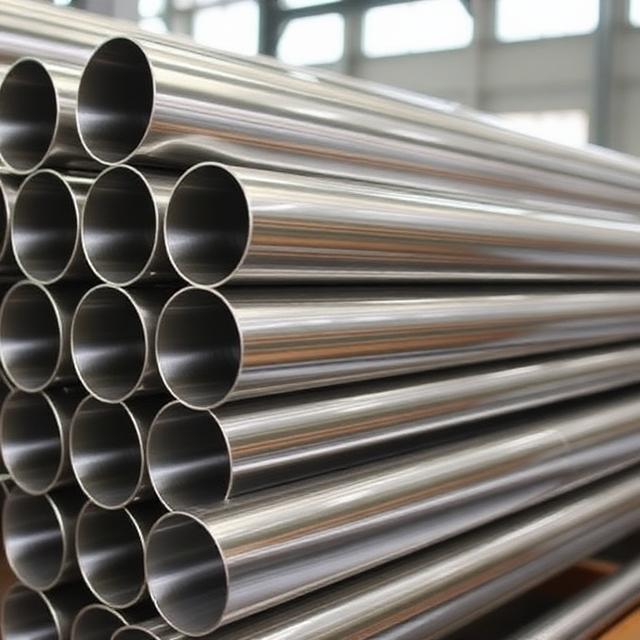
Choosing EIL Approved Pipes Manufacturers, Suppliers and Stockists
When evaluating a supplier, price should not be the only consideration. A low initial price can become expensive if the material arrives late, lacks required certificates, or fails inspection.
A better evaluation should consider:
- Technical understanding: Can the supplier understand the complete project specification?
- Material range: Can they source the required grades, sizes, and configurations?
- Quality documentation: Are certificates and inspection records properly maintained?
- Traceability: Can each material batch be traced through its documentation?
- Inspection support: Can the supplier coordinate inspections when required?
- Delivery capability: Can the required quantity be supplied within the project schedule?
- Export experience: For international projects, can the supplier manage export packing and shipping documentation?
- Communication: Can technical and commercial queries be resolved quickly?
These points are particularly important for buyers comparing EIL Approved Pipes Manufacturers and EIL Approved Pipes Suppliers for critical industrial applications.
Applications of EIL Approved Pipes
EIL-related industrial projects can involve demanding piping requirements across several sectors, including:
Oil Refineries
Pipes are used for process lines, utility systems, hydrocarbon handling, and other refinery services where strength, temperature resistance, and corrosion performance matter.
Petrochemical Plants
Petrochemical facilities use piping systems for transporting process fluids, chemicals, hydrocarbons, steam, and other media.
Oil & Gas Projects
Piping is essential for processing, transportation, storage, and associated infrastructure within upstream, midstream, and downstream applications.
Fertilizer Plants
Fertilizer production involves high-temperature and chemically aggressive process environments, requiring carefully selected piping materials.
Chemical Processing
Chemical plants depend on piping that can withstand specific corrosive and operating conditions.
Power Generation
Pipes are used in steam, feedwater, utility, cooling, and other systems where pressure and temperature performance are important.
Frequently Asked Questions
What are EIL Approved Pipes?
EIL Approved Pipes are piping products supplied for projects requiring compliance with applicable Engineers India Limited engineering, quality, inspection, and project requirements. The exact requirements depend on the individual project specification.
Where are EIL Approved Pipes used?
They can be used in refineries, petrochemical plants, oil and gas facilities, fertilizer plants, chemical processing units, power projects, and other industrial infrastructure.
What should buyers check before purchasing?
Buyers should verify the required material grade, applicable specification, dimensions, schedule, manufacturing method, testing requirements, inspection requirements, certification, traceability, quantity, and delivery schedule.
Are EIL Approved Pipes available for export?
Yes, project-compliant piping can be sourced for international requirements through experienced EIL Approved Pipes Exporters, subject to project specifications and applicable documentation.
Why is documentation important?
Documentation provides evidence of material identity, testing, chemical and mechanical properties where applicable, inspection, and traceability. It can also be essential during project inspection and material acceptance.
Should I choose a stockist or manufacturer?
It depends on the project. EIL Approved Pipes Stockists can be useful when standard sizes and quantities are required quickly, while manufacturers or specialized suppliers may be more suitable for larger or customized requirements.
Conclusion
The right pipe can make a major difference to an industrial project's quality, schedule, and long-term reliability. However, selecting EIL Approved Pipes should never be reduced to checking a product name or price. The complete technical specification, applicable standards, testing, inspection, documentation, traceability, and delivery requirements must be considered together.
Adinox Overseas supports industrial piping requirements with a focus on quality, technical coordination, documentation, and reliable supply. As a supplier serving domestic and international requirements, the company can assist buyers looking for EIL-related piping solutions for refinery, petrochemical, oil & gas, chemical, fertilizer, and power applications.
For project-specific requirements, buyers can discuss the required grade, size, schedule, quantity, standards, inspection requirements, and delivery location with the technical team.
Get In Touch
Adinox Overseas
508, 5th Floor, Jolly Bhavan Number 1,
10, New Marine Lines, Mumbai 400020,
Maharashtra, India
Phone: +91-9920349000 | 9930249000
Email: [email protected]
