EICR Testing: A Complete Guide to Electrical Safety and Property Protection
Author : Safety Test UK Ltd | Published On : 18 Nov 2026
Electrical safety is an essential part of maintaining any residential or commercial property. Faulty wiring, damaged electrical components and outdated installations can create serious risks, including electric shocks and electrical fires. Many of these problems remain hidden until an electrical fault occurs. This is why regular electrical inspections are important for property owners, landlords, tenants and businesses.
EICR Testing plays an important role in identifying electrical hazards before they become serious problems. An Electrical Installation Condition Report (EICR) provides a detailed assessment of a property's fixed electrical installation, helping determine whether the system is safe for continued use.
With growing awareness of electrical safety responsibilities and changes to UK rental property regulations, understanding how electrical inspections work has become increasingly important.
What Is EICR Testing and Why Does It Matter?
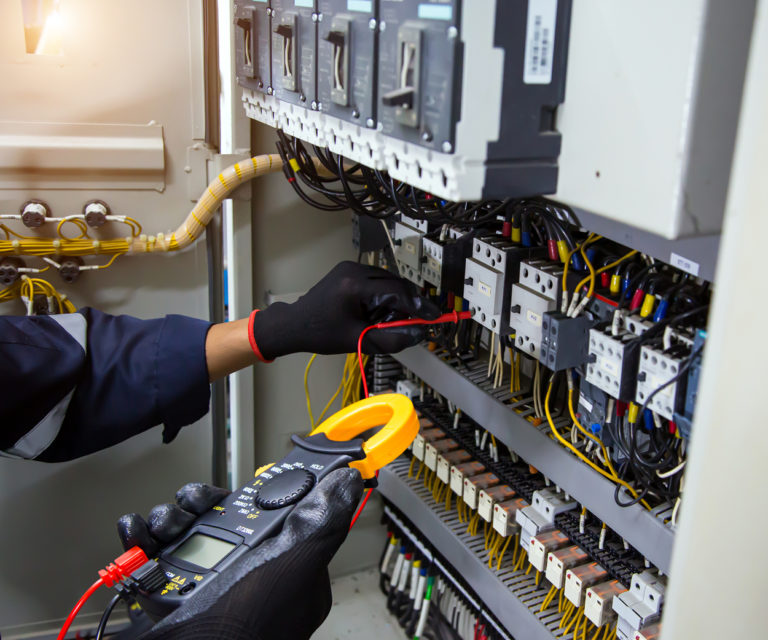
EICR Testing is a professional inspection and testing process used to assess the condition of a property's fixed electrical installations. A qualified electrician examines wiring, sockets, switches, consumer units, protective devices and other electrical components.
The main purpose is to identify deterioration, damage, outdated installations and potential safety concerns.
Unlike a basic visual check, an EICR involves several inspection and testing procedures. These help establish whether electrical components are operating correctly and providing appropriate protection.
Regular inspections are particularly important in older properties where wiring may have deteriorated over time. They also help identify problems caused by previous electrical work, overloaded circuits or environmental conditions.
Who Needs an Electrical Installation Condition Report?
EICR inspections are relevant to several types of property owners and occupiers.
Private landlords: Landlords must arrange regular electrical inspections to meet applicable rental property safety regulations.
Homeowners: Although homeowners do not generally have the same five-year legal inspection requirement as landlords, periodic inspections can help identify hidden electrical problems.
Commercial property owners: Businesses need safe electrical installations to protect employees, customers and visitors.
Property managers: Regular inspections help property managers maintain electrical safety across residential and commercial buildings.
Buyers and sellers: An electrical inspection can provide useful information about an installation's condition during property transactions.
How Often Should EICR Testing Be Carried Out?
Inspection frequency depends on the property's use, electrical installation and applicable regulations.
For private rented properties in England, landlords must arrange an inspection by a qualified person at least every five years, or sooner if the previous report recommends an earlier inspection.
Social housing in England is also being brought within the electrical safety requirements, following regulatory changes introduced in 2025.
For homeowners and commercial property owners, inspection intervals should be determined according to the property's circumstances, installation condition and relevant professional guidance.
Older wiring, frequent electrical faults, renovation work and changes in property use may indicate that an earlier inspection is necessary.
What Happens During an EICR Inspection?
Understanding the inspection process can help property owners prepare their premises and know what to expect.
A qualified electrician generally follows several important steps:
1. Visual Inspection
The electrician examines accessible electrical components, looking for visible damage, loose connections, overheating marks and signs of deterioration.
2. Wiring Assessment
Electrical wiring is assessed for condition, suitability and potential safety concerns.
3. Consumer Unit Inspection
The consumer unit, protective devices and circuit arrangements are checked to identify potential problems.
4. Electrical Testing
Appropriate electrical tests are performed to assess insulation resistance, earthing arrangements, circuit continuity and protective device operation.
5. Report Preparation
The electrician records observations, test results and any necessary recommendations in the Electrical Installation Condition Report.
Understanding EICR Classification Codes
One of the most important parts of an electrical inspection report is its classification system. These codes help property owners understand the seriousness of identified problems.
-
C1 – Danger Present: An immediate electrical safety risk exists. Urgent action is required to remove the danger.
-
C2 – Potentially Dangerous: A potentially hazardous condition has been identified and urgent remedial work is required.
-
C3 – Improvement Recommended: Improvements are advised to enhance electrical safety, but the observation does not make the report unsatisfactory.
-
FI – Further Investigation: Additional investigation is required without delay to establish whether a dangerous condition exists.
Understanding these classifications helps property owners prioritise repairs instead of treating every observation as equally serious.
A report containing C1 or C2 observations is generally classified as unsatisfactory. Further investigation requirements must also be addressed appropriately. C3 recommendations alone do not make an EICR unsatisfactory.
Common Electrical Problems Identified During EICR Testing
Electrical inspections frequently identify problems that property owners may not notice during everyday use.
Common examples include:
-
Damaged or deteriorating electrical wiring.
-
Inadequate earthing and bonding arrangements.
-
Loose electrical connections.
-
Overloaded circuits.
-
Faulty sockets and switches.
-
Missing or unsuitable protective devices.
-
Outdated consumer units.
-
Poor-quality electrical alterations.
These issues can develop gradually and may remain unnoticed until an inspection reveals them. Addressing identified problems promptly helps reduce electrical risks and supports the long-term reliability of the installation.
What Should You Do If Your EICR Is Unsatisfactory?
Receiving an unsatisfactory report does not necessarily mean that an entire electrical installation needs replacing.
The first step is to review the electrician's observations carefully. Identify which issues require immediate attention and which require further investigation or improvement.
For C1 and C2 observations, arrange the necessary remedial work urgently. Where an FI observation appears, ensure the additional investigation is completed without delay.
Once the required work has been completed, appropriate confirmation and documentation should be obtained. This provides a clear record of the actions taken to address the identified problems.
Property owners should always use suitably qualified electrical professionals rather than attempting complex electrical repairs themselves.
Recent Electrical Safety Regulations and Landlord Responsibilities
Electrical safety requirements remain an important consideration for UK landlords. In England, private and social rented housing is subject to electrical inspection requirements, with inspections generally required at least every five years.
Landlords must obtain the relevant report and provide copies to tenants within the applicable deadlines. They must also arrange necessary remedial work when the report identifies safety concerns.
Recent regulatory amendments in November 2026 have further clarified requirements concerning updated wiring standards and inspections before new tenancies. Property owners should ensure they follow the latest applicable guidance rather than relying on outdated information.
Conclusion
Electrical safety should never be overlooked when maintaining a property. Hidden wiring faults, damaged components and outdated electrical installations can create significant risks if left unaddressed.
EICR Testing provides a practical way to assess electrical installations, identify potential hazards and understand which improvements are necessary. Whether you are a homeowner, landlord, property manager or business owner, arranging professional inspections helps maintain a safer environment.
By understanding inspection procedures, classification codes and current safety responsibilities, property owners can make informed decisions and take appropriate action to protect their buildings and the people who use them.
