Effective Solutions for Painful and Persistent Ingrown Toenails
Author : UK Nail Surgeon | Published On : 03 Apr 2026
Understanding the Need for Ingrown toenails treatment
Ingrown toenails are a common yet painful condition that can significantly affect daily life. They occur when the edge of a toenail grows into the surrounding skin, leading to redness, swelling, and sometimes infection. While often associated with improper nail trimming or tight footwear, the discomfort they cause can escalate quickly if left untreated. This is why seeking proper Ingrown toenails treatment early is essential to prevent complications and ensure a smooth recovery.
The condition most frequently affects the big toe and can be particularly troublesome for individuals who are active, wear tight shoes, or have naturally curved nails. Recognizing the early signs such as tenderness, inflammation, and slight pain can make a big difference in managing the issue before it worsens.
Common Causes Behind Ingrown Toenails
Understanding what causes ingrown toenails can help prevent them from recurring. One of the primary reasons is improper nail trimming, especially cutting nails too short or rounding the edges. Tight or ill-fitting footwear can also put pressure on the toes, forcing the nail into the skin.
Other contributing factors include foot injuries, poor hygiene, and even genetic predisposition. In some cases, conditions like excessive sweating or fungal infections can soften the nail and surrounding skin, increasing the likelihood of the nail growing inward. Being aware of these causes empowers individuals to take proactive steps toward prevention.
Recognizing Symptoms Before They Worsen
Ingrown toenails typically start with mild discomfort but can quickly progress into severe pain if ignored. Early symptoms include redness, swelling, and tenderness along the nail edges. As the condition advances, you may notice pus formation, increased warmth, and difficulty walking.
Infected ingrown toenails can become a serious concern, especially for individuals with diabetes or compromised immune systems. Prompt attention to symptoms can help avoid more invasive treatments later on.
Home Remedies and Initial Care
For mild cases, home care can often provide relief. Soaking the affected foot in warm, soapy water for 15–20 minutes several times a day can reduce swelling and ease discomfort. Gently lifting the nail edge with a clean piece of cotton or dental floss may help guide it to grow above the skin.
Maintaining proper foot hygiene is crucial. Wearing open-toed or loose-fitting shoes allows the toe to breathe and reduces pressure. Over-the-counter pain relievers and antiseptic creams can also help manage symptoms during the early stages.
However, it’s important to note that home remedies are only effective for minor cases. Persistent or worsening symptoms require professional medical attention.
Professional Treatment Options for Lasting Relief
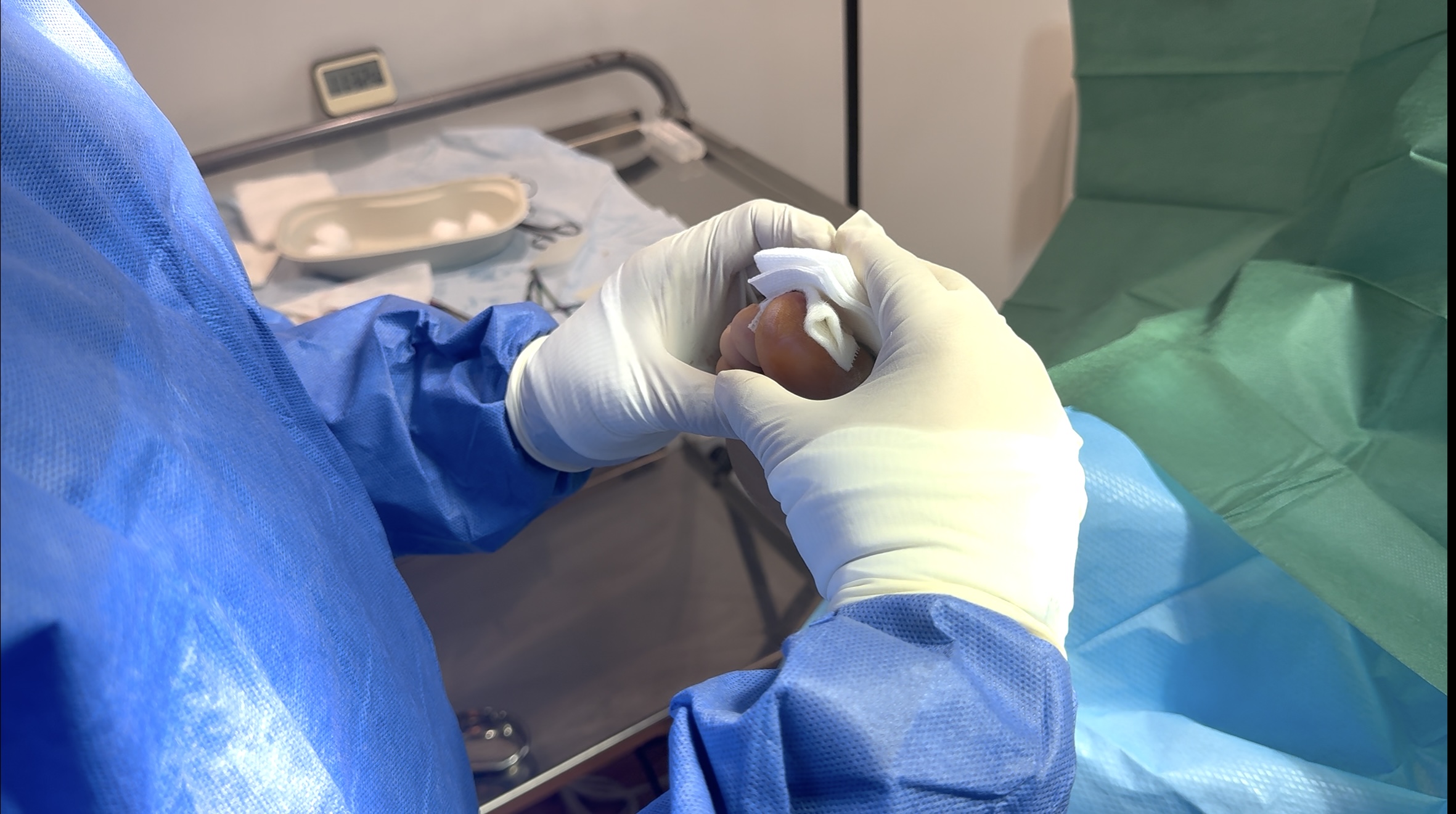
When home care isn’t enough, medical intervention becomes necessary. Healthcare professionals may use techniques such as partial nail removal, where only the ingrown portion of the nail is trimmed away. This procedure is typically done under local anesthesia and provides immediate relief.
In more severe or recurring cases, a minor surgical procedure may be recommended to remove part of the nail root. This prevents the problematic section of the nail from growing back. Advanced treatments are safe, quick, and highly effective in resolving chronic ingrown toenail issues.
Antibiotics may also be prescribed if an infection is present, ensuring that the affected area heals properly without complications.
Preventive Measures to Avoid Recurrence
Preventing ingrown toenails is often easier than treating them. Proper nail care is the first step—always cut nails straight across and avoid rounding the edges. Wearing comfortable, well-fitted shoes that provide enough room for your toes is equally important.
Regular foot inspections can help detect early signs of trouble, especially for individuals prone to foot issues. Keeping feet clean and dry minimizes the risk of infections and supports overall nail health.
Incorporating these simple habits into your routine can significantly reduce the chances of experiencing this painful condition again.
When to Seek Medical Help for Ingrown toenail treatment
While mild cases can be managed at home, certain situations demand professional care. If you notice persistent pain, swelling, or signs of infection such as pus or increased redness, it’s time to consult a specialist. Individuals with underlying health conditions like diabetes should never delay seeking medical attention.
Effective Ingrown toenail treatment not only addresses the immediate problem but also prevents future complications. Early intervention ensures faster healing and reduces the need for more invasive procedures.
Conclusion: Taking Steps Toward Healthier Feet
Ingrown toenails may seem like a minor issue at first, but they can quickly escalate into a painful and disruptive condition. By understanding the causes, recognizing early symptoms, and seeking timely treatment, you can protect your foot health and maintain your daily comfort.
Whether through simple home remedies or professional care, addressing the problem promptly is key. For expert guidance and reliable solutions, consider consulting trusted professionals like thechiropractorr.com, who can help you regain comfort and confidence with effective treatment strategies.
