Effective Dust Control Systems for Mining and Crushing Plants
Author : Tech Flow | Published On : 04 Jun 2026
Mining and mineral processing operations generate significant amounts of dust every day. Activities such as crushing, screening, grinding, conveying, and material handling release fine particles into the air, creating challenges for both plant efficiency and environmental compliance. Without proper dust management, these airborne particles can affect worker safety, damage equipment, increase maintenance costs, and lead to regulatory issues.
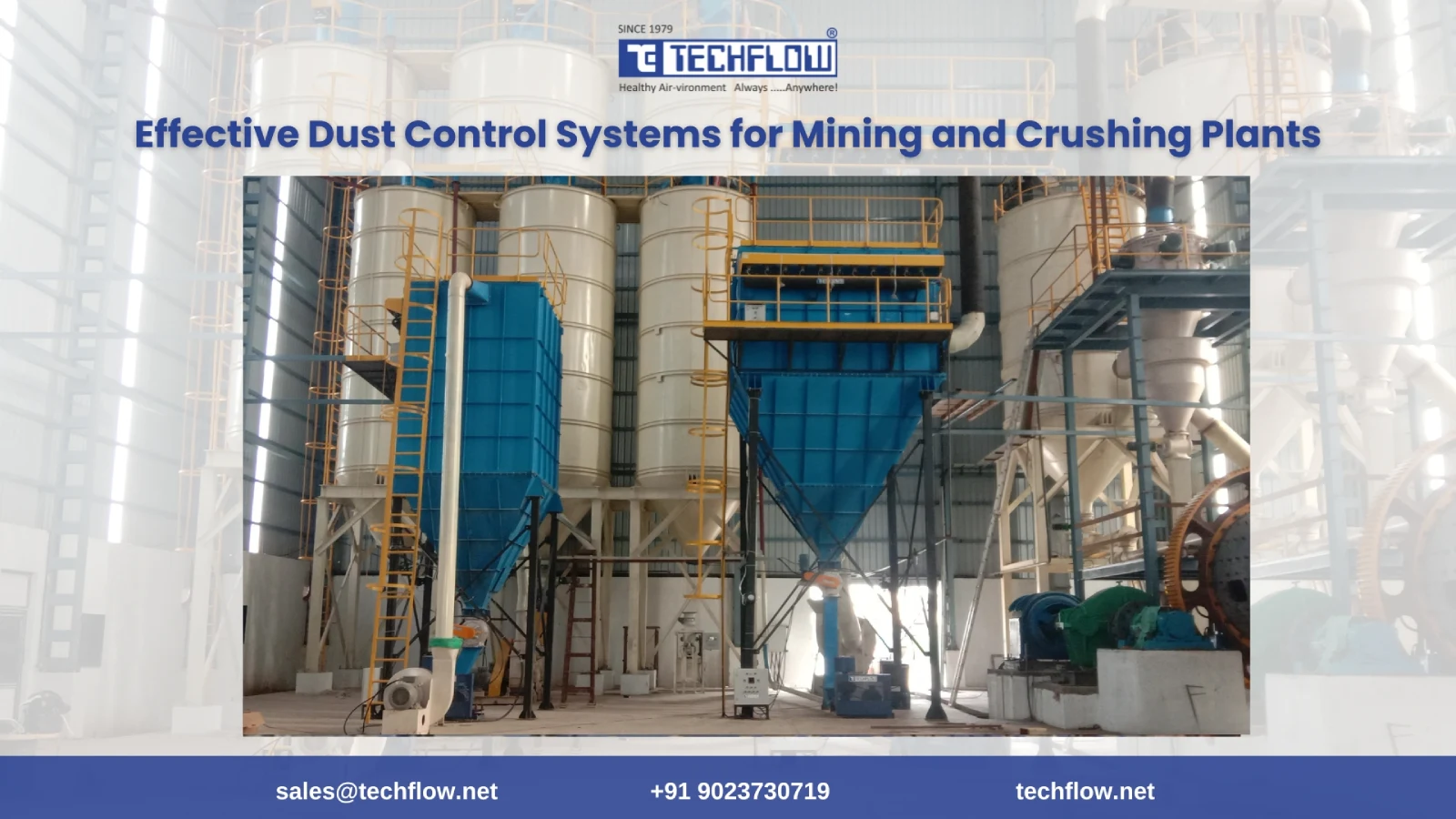 As mining companies continue to focus on operational efficiency and environmental responsibility, effective dust control systems have become an essential part of modern mineral processing plants. Among the available technologies, Pulse Jet Bag Filters have emerged as one of the most reliable and efficient solutions for controlling dust in demanding industrial environments.
The Importance of Dust Control in Mining Operations
Dust generation is unavoidable in mining and mineral processing facilities. Every stage of production can contribute to airborne particulate matter. When materials are crushed, screened, transferred, or stored, dust particles are released into the surrounding atmosphere.
Major sources of dust generation include:
-
Crushing and screening units
-
Conveyor transfer points
-
Grinding and milling operations
-
Material storage and handling areas
-
Loading and unloading stations
These dust-producing activities can negatively impact plant performance if left unmanaged. Excessive dust accumulation can create unsafe working conditions, reduce visibility, increase equipment wear, and affect overall productivity.
Challenges Faced by Conventional Dust Collection Systems
Mining environments present unique challenges for dust collection equipment. Standard filtration systems often struggle to perform consistently because of the harsh operating conditions commonly found in mineral processing facilities.
Some of the major challenges include:
-
High and changing dust concentrations
-
Abrasive nature of mineral particles
-
Continuous plant operation requirements
-
Exposure to moisture and temperature fluctuations
-
Restricted maintenance access in certain areas
Because of these demanding conditions, mining plants require robust dust collection solutions capable of handling large dust loads while maintaining continuous operation.
Pulse Jet Bag Filters: A Proven Dust Control Solution
Pulse Jet Bag Filters are widely used in mining and mineral processing industries because of their ability to efficiently capture fine dust particles while operating continuously.
These systems use filter bags to separate dust from the air stream. Dust-laden air enters the collector, where particles are trapped on the surface of the filter media. Clean air passes through the bags and is discharged back into the environment.
One of the most important advantages of Pulse Jet Bag Filters is their self-cleaning mechanism. Short bursts of compressed air periodically clean the filter bags by dislodging accumulated dust. The collected dust then falls into a hopper for disposal or recovery.
Because cleaning occurs while the system remains operational, there is no need to shut down production, making Pulse Jet technology highly suitable for continuous mining operations.
How Pulse Jet Bag Filters Work
The operation of a Pulse Jet Bag Filter follows a straightforward process:
-
Dust-laden air enters the filtration chamber.
-
Dust particles collect on the outer surface of the filter bags.
-
Clean air passes through the filter media.
-
Compressed air pulses remove accumulated dust from the bags.
-
Dust falls into the hopper for collection and disposal.
-
The filtration process continues without interruption.
This automatic cleaning mechanism ensures consistent airflow, stable performance, and long filter life.
Key Benefits for Mining Applications
High Filtration Efficiency
Properly designed Pulse Jet systems can capture fine dust particles effectively and maintain emission levels within regulatory limits. This helps facilities comply with environmental standards while improving workplace air quality.
Continuous Operation
Unlike some filtration technologies that require periodic shutdowns for cleaning, Pulse Jet Bag Filters clean themselves while operating. This feature supports uninterrupted production and maximizes plant uptime.
Compact Design
Many Pulse Jet systems offer high filtration capacity within a relatively small footprint. This makes them suitable for facilities where space availability is limited.
Ability to Handle Variable Dust Loads
Mining operations often experience changing production conditions. Pulse Jet systems can adapt to fluctuating dust concentrations while maintaining consistent performance.
Lower Maintenance Costs
Efficient cleaning mechanisms reduce filter clogging and help extend filter life. This lowers maintenance requirements and minimizes operational costs over time.
Features of a High-Performance Dust Collection System
The effectiveness of a dust collection system depends on both design quality and component selection.
Important characteristics include:
Durable Filter Media
High-quality filter media improves dust capture efficiency and withstands demanding industrial conditions. Advanced materials such as PTFE-coated filters can further enhance performance.
Optimized Airflow Design
Proper airflow management helps reduce pressure losses and ensures uniform dust collection throughout the system.
Strong Construction
Mining environments require heavy-duty equipment capable of handling vibration, abrasive materials, and continuous operation. Robust construction contributes to long-term reliability.
Efficient Dust Discharge
Well-designed hoppers and discharge mechanisms prevent dust buildup and ensure smooth material removal from the system.
Effective Fan Integration
Industrial fans play a critical role in maintaining airflow and system performance. Proper fan selection improves filtration efficiency and operational stability.
Common Applications in Mining and Mineral Processing Plants
Pulse Jet Bag Filters are commonly installed across various sections of mining facilities, including:
-
Crushing and screening plants
-
Conveyor transfer points
-
Grinding and milling operations
-
Dry material handling systems
-
Loading and unloading stations
Depending on plant requirements, these systems may be configured as centralized dust collection systems or installed as localized collection units near specific dust sources.
Real-World Impact of Effective Dust Collection
The benefits of proper dust control extend far beyond regulatory compliance.
Facilities that implement well-designed dust collection systems often experience:
-
Significant reduction in airborne dust emissions
-
Improved workplace safety and visibility
-
Better equipment reliability and reduced wear
-
Enhanced working conditions for employees
-
Recovery and reuse of collected material in certain processes
These improvements contribute directly to higher productivity, lower operating costs, and more sustainable plant operations.
Business Benefits Beyond Compliance
Investing in modern dust collection technology offers several long-term advantages for mining companies:
Better Equipment Life
Reduced dust exposure helps protect machinery, bearings, motors, and other critical components from premature wear.
Improved Worker Safety
Cleaner air creates a healthier work environment and reduces employee exposure to airborne particulate matter.
Material Recovery Opportunities
Captured dust can sometimes be recovered and reintroduced into production processes, reducing material waste.
Environmental Responsibility
Effective dust management demonstrates a commitment to environmental stewardship and supports compliance with industry regulations.
Conclusion
Dust control has become a critical component of modern mining and mineral processing operations. As production facilities continue to pursue greater efficiency, sustainability, and regulatory compliance, reliable dust collection systems play an increasingly important role.
Pulse Jet Bag Filters have proven to be one of the most effective solutions for managing industrial dust. Their high filtration efficiency, continuous operation capability, adaptability to changing dust loads, and low maintenance requirements make them particularly valuable for mining and crushing plants.
By implementing properly designed dust control systems, mining companies can improve air quality, protect equipment, enhance worker safety, reduce operating costs, and support long-term operational success. Effective dust management is no longer simply a compliance requirement—it is a strategic investment in productivity, reliability, and sustainable industrial performance.
