Economic Logistics: Strategies for Cost-Effective Delivery
Author : Lori Spatt | Published On : 12 May 2026
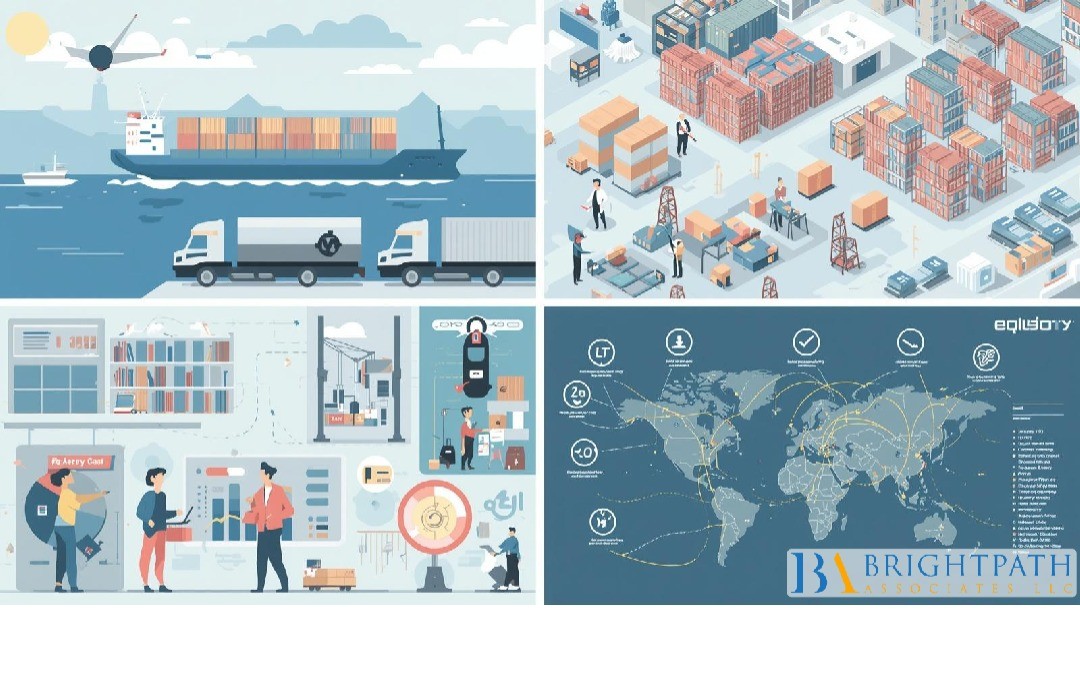
In today’s highly competitive business landscape, logistics has evolved far beyond transportation and warehousing. It has become a critical driver of profitability, customer satisfaction, operational resilience, and long-term business growth. Across the United States, companies within the packaging and freight industry are facing increasing pressure to reduce operational costs while simultaneously meeting rising customer expectations for faster, more transparent, and highly reliable deliveries. For small to mid-sized enterprises especially, balancing cost-efficiency with service quality has become one of the defining challenges shaping the future of supply chain operations.
The growing complexity of global and domestic supply chains, fluctuating fuel prices, labor shortages, infrastructure limitations, and increasing demand for last-mile delivery efficiency are forcing businesses to rethink traditional logistics strategies. Organizations that continue relying on outdated transportation models and fragmented supply chain systems are finding it increasingly difficult to remain competitive in an environment driven by speed, technology, and operational agility. As a result, many companies are now investing heavily in economic logistics strategies designed to optimize delivery performance while controlling operational expenses.
Transportation costs remain one of the largest contributors to overall logistics spending. Industry research indicates that transportation expenses can account for nearly 65% of total logistics budgets, making freight optimization one of the most impactful areas for cost reduction. Companies that strategically optimize routes, consolidate shipments, negotiate carrier contracts, and implement advanced logistics technologies are often able to reduce transportation expenses significantly without compromising service quality.
One of the most effective strategies for reducing logistics costs is route optimization. Advanced routing software powered by real-time analytics, AI-driven forecasting, and GPS tracking allows businesses to identify the most efficient delivery routes based on traffic conditions, fuel consumption, weather patterns, and delivery schedules. Organizations implementing intelligent route optimization systems are reporting measurable reductions in fuel usage, driver overtime, and delivery delays while improving customer satisfaction through faster and more predictable deliveries.
Shipment consolidation has also emerged as a powerful tool for improving logistics efficiency. Instead of shipping multiple smaller loads separately, businesses are increasingly consolidating shipments into larger, more efficient freight movements. This strategy reduces per-unit transportation costs, lowers handling expenses, minimizes packaging waste, and improves vehicle utilization. Experts note that strategic shipment consolidation can generate substantial cost savings while supporting more sustainable supply chain operations.
At the same time, businesses are reevaluating transportation modes to improve cost-effectiveness. Road freight remains one of the most flexible transportation options for short to medium-distance deliveries, but rail, sea, and intermodal transportation solutions are gaining attention as organizations seek to reduce long-haul shipping expenses. According to freight transportation experts, intermodal strategies that combine road, rail, and sea freight can significantly lower transportation costs while improving supply chain efficiency and sustainability.
The rise of e-commerce and direct-to-consumer distribution models has also placed increased attention on last-mile delivery optimization. Last-mile delivery is widely considered one of the most expensive and operationally complex segments of the logistics process. Industry analysis shows that last-mile operations can account for a substantial portion of total supply chain costs due to failed deliveries, urban congestion, inefficient routing, and rising consumer expectations for rapid fulfillment. Businesses are now investing in regional fulfillment centers, micro-warehousing strategies, dynamic routing platforms, and alternative delivery solutions to improve last-mile efficiency while reducing operational costs.
Technology is playing an increasingly transformative role in economic logistics strategies. Artificial intelligence, machine learning, IoT-enabled tracking systems, predictive analytics, cloud-based transportation management systems, and warehouse automation technologies are reshaping how supply chains operate. Companies leveraging digital logistics platforms are gaining real-time visibility into inventory movement, shipment performance, fuel efficiency, and delivery operations, allowing them to make faster and more informed business decisions. Predictive analytics also helps organizations forecast demand fluctuations more accurately, improving inventory planning and reducing costly operational inefficiencies.
Sustainability is becoming another major factor influencing logistics strategy. Businesses are under growing pressure from customers, investors, and regulatory agencies to reduce environmental impact while maintaining operational profitability. Companies are increasingly adopting eco-friendly packaging, fuel-efficient fleets, electric delivery vehicles, optimized load planning, and energy-efficient warehouse operations to support sustainability goals. Emerging technologies such as drone-assisted deliveries and AI-driven green routing systems are also being explored as future solutions for reducing fuel consumption and improving delivery efficiency. Recent research on energy-efficient drone logistics suggests that optimized routing strategies can improve sustainability and reduce operational costs across large-scale delivery networks.
However, successful logistics transformation is not driven by technology alone. One of the biggest challenges facing the packaging and freight industry is the growing shortage of experienced logistics leadership and skilled supply chain professionals. Companies are actively searching for executives and operational leaders with expertise in transportation management, warehouse optimization, freight operations, supply chain analytics, automation systems, and digital logistics transformation. The increasing complexity of modern logistics operations has made strategic leadership a crucial factor in determining long-term operational success.
Organizations that treat logistics as a strategic business function rather than simply an operational necessity are positioning themselves for stronger growth, greater resilience, and improved profitability. Businesses that invest in intelligent transportation systems, scalable fulfillment strategies, workforce development, and digital transformation are creating more agile supply chains capable of adapting quickly to changing market conditions.
Companies seeking to better understand evolving trends, workforce demands, and operational developments shaping the sector can explore the broader landscape of the Package & Freight Delivery Industry to gain deeper insight into how innovation is transforming logistics and freight operations across the United States.
Economic logistics is no longer solely about reducing transportation expenses—it is about building highly efficient, technology-driven, and customer-centric supply chain ecosystems capable of supporting sustainable long-term growth. Businesses that proactively optimize logistics operations today will be significantly better positioned to navigate future disruptions, rising customer expectations, and increasing market competition.
Organizations looking for additional strategies and industry perspectives on cost-efficient logistics operations can also explore Economic Logistics: Strategies for Cost-Effective Delivery to gain deeper insight into how modern supply chain strategies are reshaping business performance.
As logistics continues to evolve through automation, AI, predictive analytics, sustainability initiatives, and advanced delivery technologies, one critical question remains for industry leaders: Is your organization truly prepared to compete in the future of cost-effective and technology-driven delivery operations?
