E-Cigarettes Canada: How Do Vape Devices Work?
Author : Sungroup Enterprises Corp. | Published On : 04 Nov 2026
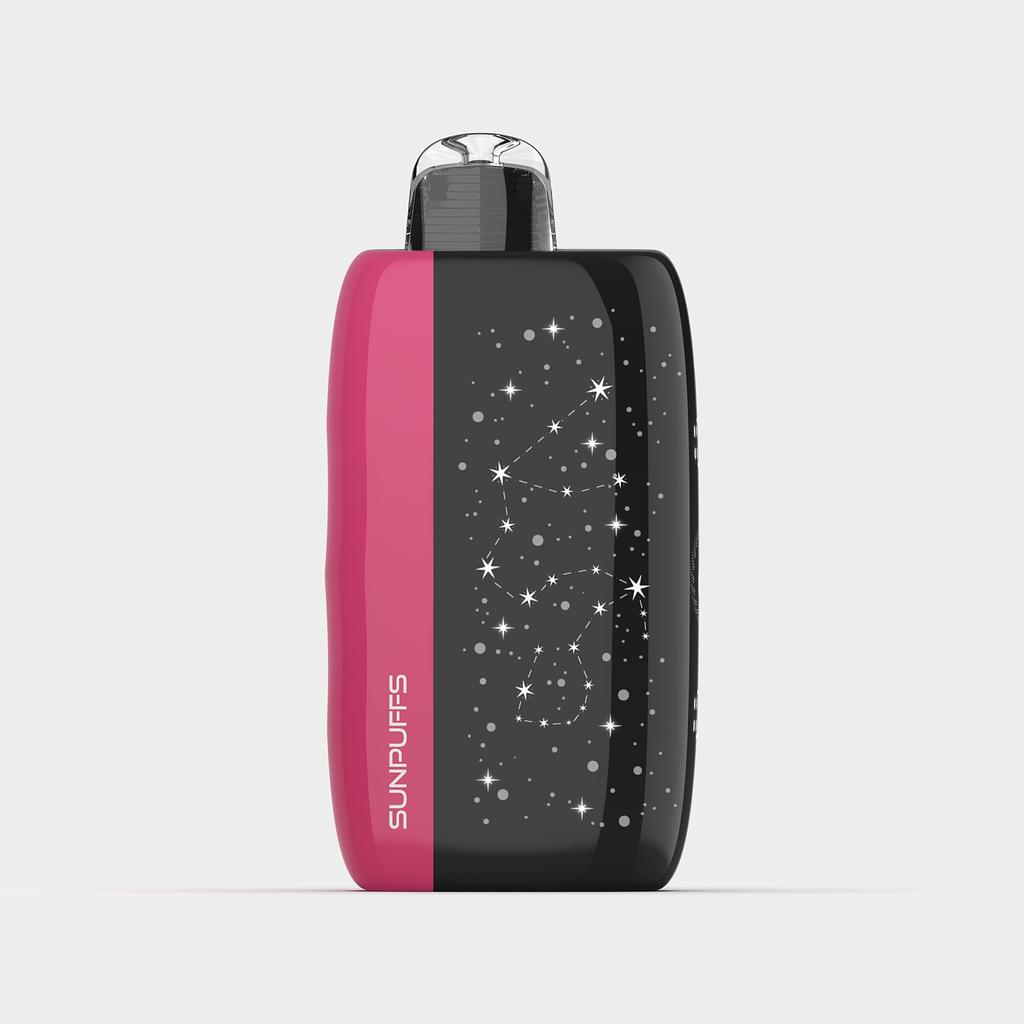
Electronic cigarettes, commonly called e-cigarettes or vapes, are battery-powered devices that heat a liquid to create an aerosol. Understanding how these devices work involves looking at their main components, the liquid they contain, and the process that turns the liquid into inhalable particles. For people researching e-cigarettes Canada, understanding these basics also provides useful context about product design and Canadian regulations.
How Do E-Cigarettes Work?
Most e-cigarettes use electricity to heat a liquid rather than burning tobacco. When the device is activated, its battery supplies power to a heating element, which warms the liquid and produces an aerosol that passes through the mouthpiece. Health Canada explains this process in its official vaping overview.
Although people often call the resulting aerosol vapour, it isn't simply water vapour. It may contain nicotine, flavouring chemicals, and other substances.
What Are the Main Components of a Vape Device?
Most devices contain four basic components:
- Battery: Supplies the electrical energy required to operate the device.
- Heating element: Usually a coil that heats the vaping liquid.
- Reservoir or cartridge: Holds the liquid used to generate the aerosol.
- Mouthpiece: Provides the passage through which the aerosol is inhaled.
Some devices include additional features, such as airflow controls, digital displays, or rechargeable batteries. Designs vary between disposable devices, cartridge-based systems, and refillable models.
What Is Inside E-Cigarette Liquid?
Vaping liquids commonly contain a carrier liquid, such as propylene glycol or vegetable glycerin, along with flavouring ingredients. Some liquids also contain nicotine, which is addictive.
The exact composition varies by product. This is why ingredient lists, nicotine statements, and packaging information are important when examining e-cigarettes Canada products.
What Types of E-Cigarettes Are Available?
E-cigarettes come in several formats. Disposable devices generally have a prefilled liquid reservoir and are designed for limited use. Cartridge-based devices use replaceable cartridges or pods, while refillable systems have a reservoir that can be replenished according to the manufacturer's instructions.
These categories differ in construction, maintenance requirements, battery design, and liquid capacity. No single design describes every product available in the Canadian market.
What Regulations Apply to E-Cigarettes in Canada?
Canada regulates vaping products under federal legislation, including the Tobacco and Vaping Products Act and applicable product-safety rules. Health Canada's regulations set a maximum nicotine concentration of 20 mg/mL for vaping products manufactured or imported for sale in Canada. Product labelling, packaging, and health-warning requirements also apply.
Are E-Cigarettes Risk-Free?
No. Vaping isn't risk-free. Nicotine can cause dependence, and vaping aerosol may contain substances that can harm health. The potential risks depend on factors including the product, its contents, and how it is used. Health Canada provides further details in its vaping risk guidance.
Conclusion
Understanding how e-cigarettes operate starts with four key components: a battery, heating element, liquid reservoir, and mouthpiece. For readers researching e-cigarettes Canada, learning about device types, liquid ingredients, and Canadian product regulations provides a clearer picture of this technology and its associated risks.
