Dynamic Route Adjustments: Implementing Predictive Weather Logic in SMB Fleets
Author : Jessica Hall | Published On : 05 Aug 2026
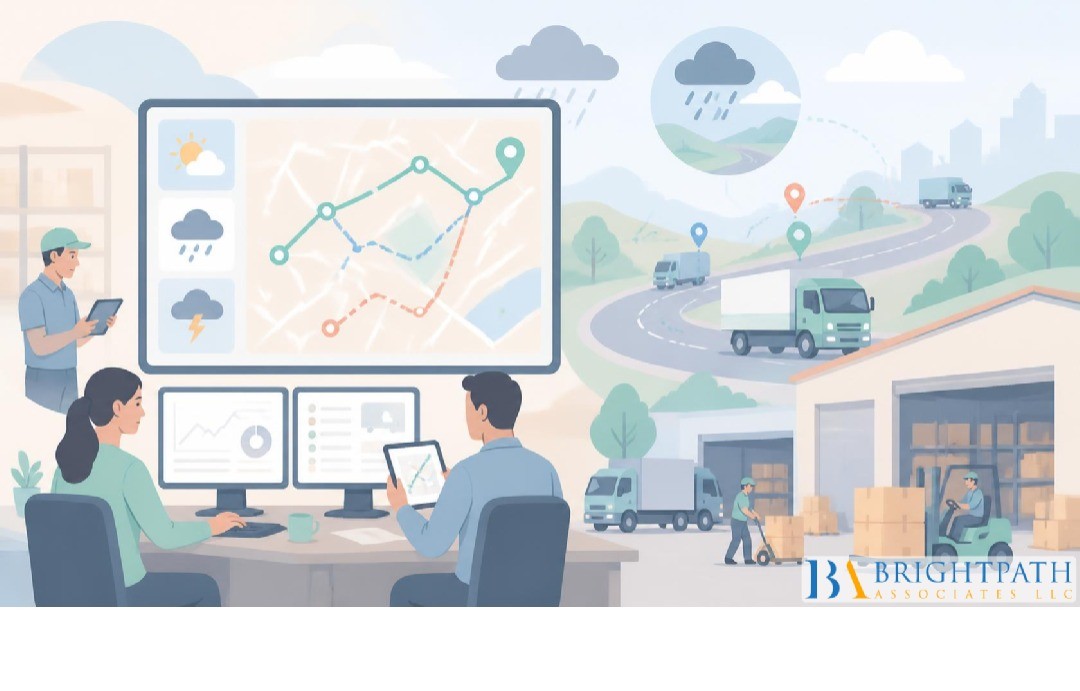
The packaging and freight industry has always relied on efficient transportation to meet customer expectations. Today, however, the definition of efficiency extends far beyond choosing the shortest route between two locations. Small and mid-sized fleet operators face increasing pressure to deliver shipments on time while managing fuel costs, driver safety, vehicle maintenance, and unpredictable weather conditions. As severe weather events become more frequent and customer expectations continue to rise, businesses are turning to predictive weather intelligence and dynamic route optimization to improve operational performance without significantly increasing operating expenses.
Traditionally, fleet managers planned delivery schedules based on historical traffic patterns, driver experience, and estimated travel times. While these methods remain valuable, they often fail to account for rapidly changing weather conditions that can significantly affect road safety and delivery performance. Heavy rainfall, snow, high winds, flooding, extreme temperatures, and poor visibility can quickly disrupt transportation networks, resulting in delays, increased fuel consumption, damaged cargo, and dissatisfied customers. Predictive weather intelligence enables organizations to anticipate these challenges before they occur, allowing dispatchers to adjust routes proactively rather than reacting after disruptions have already affected operations.
Companies operating within the Packaging & Freight Delivery Industry are increasingly recognizing that weather-informed decision-making represents a competitive advantage rather than simply a risk management tool. Organizations that integrate predictive weather data into daily fleet operations improve reliability while strengthening customer confidence and operational resilience.
One of the greatest advantages of predictive routing is enhanced driver safety. Drivers regularly encounter changing road conditions that cannot always be predicted using conventional navigation systems alone. Real-time weather forecasts combined with road condition monitoring enable dispatchers to reroute vehicles around hazardous areas before drivers encounter dangerous situations. Reducing exposure to severe weather lowers accident risks while protecting employees, cargo, and company assets. A safer workforce also contributes to improved employee satisfaction and stronger driver retention in an increasingly competitive labor market.
Operational efficiency improves significantly when route adjustments occur proactively rather than reactively. Instead of waiting for road closures, traffic congestion, or weather-related delays to develop, fleet management systems analyze forecast information alongside traffic patterns and delivery priorities to recommend alternative routes. These adjustments help maintain delivery schedules while minimizing unnecessary idle time, fuel consumption, and overtime expenses. Even small improvements in route efficiency can generate meaningful cost savings when multiplied across an entire fleet.
Customer satisfaction also benefits from greater transportation visibility. Modern logistics customers increasingly expect accurate delivery estimates and timely communication whenever disruptions occur. Predictive weather intelligence allows organizations to notify customers about potential delays before shipments are affected, creating transparency that strengthens business relationships. Rather than being surprised by late deliveries, customers appreciate proactive communication and realistic expectations. Trust becomes an important competitive differentiator, particularly for small and mid-sized logistics providers competing against larger transportation companies.
Fleet maintenance is another area influenced by weather-informed planning. Extreme temperatures, flooding, icy roads, and prolonged exposure to severe conditions accelerate vehicle wear while increasing maintenance requirements. Route planning that considers weather forecasts can reduce unnecessary strain on vehicles by avoiding hazardous environments whenever practical. Better route selection supports longer vehicle life, lower repair costs, and improved fleet availability throughout the year.
Technology plays a central role in enabling predictive weather strategies. Modern fleet management platforms combine GPS tracking, telematics, weather forecasting, traffic information, mapping technologies, and artificial intelligence to create continuously updated routing recommendations. Instead of relying solely on static route planning completed before vehicles leave distribution centers, dispatch teams receive ongoing operational insights that support informed decision-making throughout each delivery cycle. This continuous visibility enables organizations to respond quickly as conditions evolve.
Small and mid-sized businesses often assume sophisticated routing technology requires significant capital investment. However, cloud-based software platforms and subscription services have made advanced fleet optimization increasingly accessible. Organizations can integrate weather intelligence into existing transportation management systems without replacing entire technology infrastructures. This scalable approach enables businesses to achieve measurable operational improvements while carefully managing implementation costs.
Data-driven decision-making extends beyond weather forecasting itself. Organizations can analyze historical delivery performance, seasonal weather patterns, customer service metrics, fuel usage, maintenance records, and driver productivity to identify opportunities for continuous improvement. Over time, these insights help businesses refine dispatch strategies, optimize delivery territories, and improve resource allocation. Rather than relying on intuition alone, fleet managers gain objective information that supports strategic planning and operational excellence.
Cross-functional collaboration further strengthens transportation performance. Dispatch teams, warehouse managers, customer service representatives, maintenance personnel, and drivers all contribute valuable operational knowledge. Sharing weather intelligence across departments improves coordination while reducing communication delays during disruptive events. For example, warehouse teams can prioritize shipments requiring earlier departures, while customer service representatives proactively communicate updated delivery expectations. This coordinated approach minimizes operational disruption while maintaining customer confidence.
Leadership commitment remains essential throughout technology adoption. Successful organizations establish clear objectives for safety, efficiency, customer satisfaction, and operational performance before implementing predictive routing solutions. Measuring key performance indicators such as on-time deliveries, fuel consumption, driver incidents, route deviations, and customer feedback enables businesses to evaluate return on investment while identifying opportunities for further optimization.
Talent acquisition has also become increasingly important as transportation operations become more technology-driven. Fleet managers, logistics coordinators, transportation analysts, operations leaders, and supply chain professionals now require stronger analytical capabilities alongside traditional logistics expertise. Organizations that recruit professionals comfortable working with digital platforms, operational analytics, and data-informed decision-making position themselves to adapt more effectively to evolving market demands.
Businesses interested in exploring additional perspectives on weather-informed fleet optimization can also review Implementing Predictive Weather Logic in SMB Fleets, which discusses additional considerations for improving transportation resilience and operational planning.
Ultimately, predictive weather intelligence represents far more than an operational convenience. It enables small and mid-sized fleet operators to improve safety, strengthen customer relationships, optimize resource utilization, and enhance long-term competitiveness. As climate variability and customer expectations continue to evolve, organizations that combine advanced routing technologies with experienced leadership and skilled transportation professionals will be better positioned to deliver consistent, reliable service regardless of changing conditions.
