Driving Innovation: Key to Utility Leadership
Author : Bria West | Published On : 11 Jun 2026
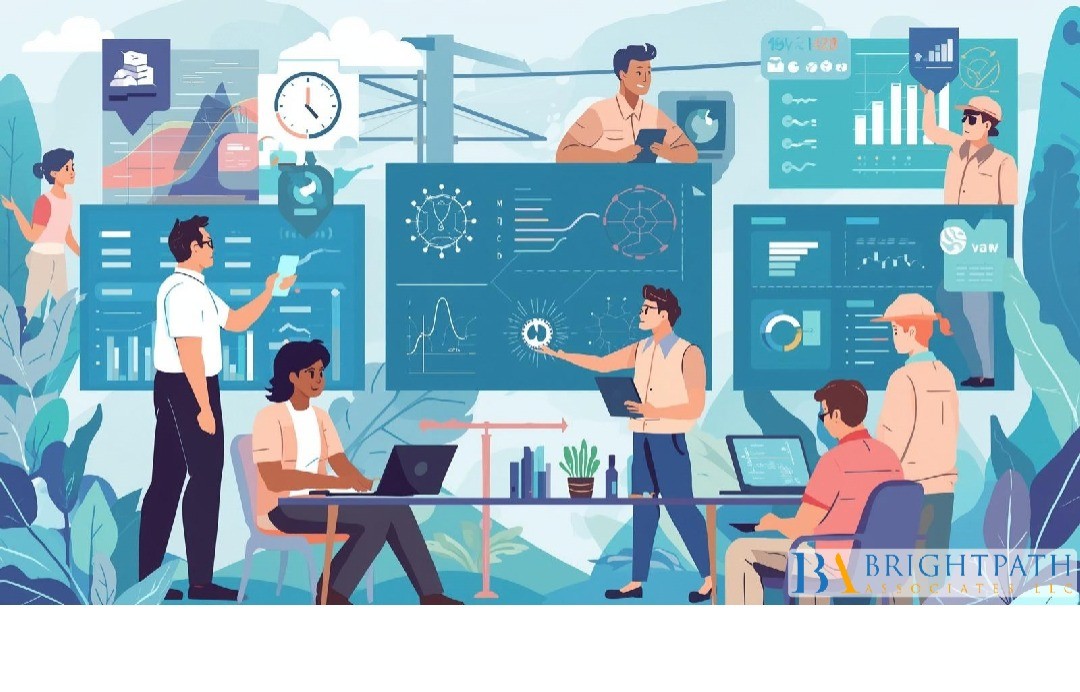
For generations, utility leadership was defined by a relatively straightforward mission: keep essential services running safely, reliably, and affordably. Success depended on operational stability, regulatory compliance, and infrastructure reliability. Today, however, the rules of the game have changed.
The utilities industry stands at the intersection of unprecedented transformation. Aging infrastructure, decarbonization goals, cybersecurity concerns, evolving customer expectations, workforce transitions, and rapid technological advancement are reshaping how utility organizations operate. In this environment, maintaining the status quo is no longer a strategy for long-term success.
Yet innovation in utilities is often misunderstood. Many executives associate innovation exclusively with emerging technologies, artificial intelligence, or multimillion-dollar digital transformation initiatives. While technology undoubtedly plays an important role, innovation leadership extends far beyond adopting the latest tools. At its core, innovation is about creating an organizational mindset that continuously seeks better ways to solve problems, improve customer experiences, optimize operations, and prepare for future challenges.
The urgency surrounding innovation has become increasingly evident across the sector. Recent research found that nearly two-thirds of utility leaders have increased their innovation budgets, while a growing percentage report that innovation is becoming embedded across all business units rather than being confined to isolated teams. These findings suggest that innovation is evolving from a specialized initiative into a strategic imperative.
Historically, utilities operated within predictable environments characterized by steady demand, limited competition, and long planning cycles. Today, leaders must navigate a landscape shaped by renewable integration, distributed energy resources, electrification trends, extreme weather events, and heightened stakeholder expectations. Customers increasingly expect utilities to deliver experiences similar to those offered by leading digital brands. They seek transparency, convenience, proactive communication, and personalized interactions. Meanwhile, regulators demand reliability and affordability while encouraging sustainability and modernization.
Advanced analytics, smart sensors, artificial intelligence, cloud computing, and automation technologies are enabling utilities to collect and analyze data in ways previously unimaginable. These capabilities enhance visibility across operations, support predictive maintenance, optimize asset performance, and improve decision-making. Digital technologies are also transforming customer relationships. Utilities are increasingly leveraging intelligent platforms to provide real-time usage insights, streamline service interactions, and deliver more responsive experiences. Deloitte notes that digitally enabled innovations are helping utilities create new forms of value while positioning themselves for a more dynamic future.
Many utilities possess access to similar technologies, funding opportunities, and market information. What distinguishes leaders is their ability to foster environments where employees feel empowered to identify inefficiencies, propose new ideas, and contribute to organizational improvement. Innovation thrives in workplaces that encourage collaboration rather than hierarchy, curiosity rather than complacency, and learning rather than fear of failure.
Executives who actively communicate a compelling vision for innovation signal that improvement is everyone's responsibility, not merely the function of dedicated innovation teams. When leaders recognize experimentation, celebrate progress, and support cross-functional problem-solving, employees become more invested in shaping the organization's future.
The utilities industry faces significant demographic shifts as experienced employees retire and competition for skilled talent intensifies. Simultaneously, emerging technologies require capabilities related to data analysis, cybersecurity, digital systems, and adaptive problem-solving.
Upskilling initiatives, mentorship programs, succession planning, and leadership development investments help ensure organizations possess the capabilities required to execute innovation strategies effectively. Employees who perceive clear growth opportunities are often more engaged, committed, and prepared to navigate change.
Utilities increasingly recognize that transformative ideas can emerge from partnerships with startups, technology providers, universities, regulators, and industry peers. Collaborative ecosystems accelerate learning, expose organizations to fresh perspectives, and reduce the risks associated with navigating complex challenges independently.
Unlike industries where disruption is celebrated regardless of short-term consequences, utilities operate within environments where reliability and public trust are paramount. Experimentation cannot compromise safety, affordability, or regulatory compliance. The most effective initiatives address practical challenges such as reducing outage frequency, improving infrastructure resilience, enhancing customer engagement, streamlining workflows, and optimizing resource utilization.
Continuous innovation often proves more impactful than isolated breakthroughs. Industry experts increasingly emphasize that innovation should be embedded into everyday operations through connected processes, data-driven decision-making, and ongoing improvement rather than treated as a one-time transformation effort.
Organizations require executives capable of balancing operational excellence with strategic foresight. They need leaders who understand technological possibilities while appreciating workforce realities, regulatory complexities, and customer expectations. For small and mid-sized utilities especially, identifying individuals with these multidimensional capabilities can be challenging.
BrightPath Associates supports organizations within the Utilities Industry by helping them identify and attract leaders equipped to navigate disruption, foster innovation, and build resilient organizations prepared for the future. The future of utilities will not be defined solely by the technologies deployed or infrastructure investments made. It will be shaped by leaders who cultivate adaptability, encourage learning, and inspire people to pursue meaningful improvement.
For readers seeking additional perspectives on this topic, BrightPath Associates' original article, Driving Innovation Key to Utility Leadership, offers further insights into how organizations can cultivate innovative mindsets and prepare for the evolving demands of the utilities sector. As your organization considers its future direction, ask yourself: Is innovation embedded within your culture, or confined to isolated initiatives? Are your leaders empowering employees to think differently and challenge outdated assumptions? And is your workforce prepared to meet the expectations of an increasingly dynamic energy landscape?
We invite you to share your thoughts and experiences in the comments below. What innovation strategies have delivered measurable value within your organization? Which leadership qualities do you believe are most critical for the future of utilities? The conversations we have today may help shape the leadership approaches and breakthrough ideas that define the next generation of utility excellence.
