Driving Innovation in Automation Landscape
Author : Jimmy Patel | Published On : 12 Jun 2026
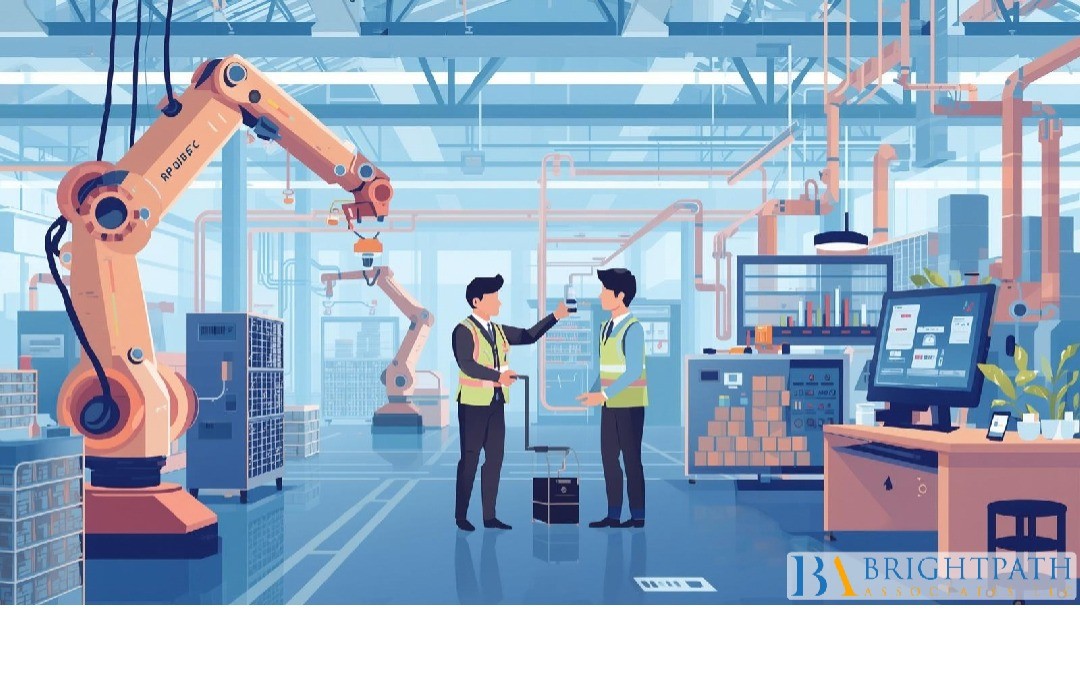
Innovation has always been a catalyst for industrial progress. However, in today's rapidly evolving business environment, innovation within automation is no longer simply an opportunity for growth—it's a necessity for survival. Organizations that once relied on traditional manufacturing methods are now facing unprecedented pressure to become smarter, faster, and more adaptable. The question many leaders are asking is no longer whether to embrace automation, but how to innovate within it effectively.
The industrial automation landscape is undergoing a remarkable transformation fueled by emerging technologies, changing workforce dynamics, and increasing customer expectations. Small and mid-sized enterprises, in particular, face the challenge of balancing operational efficiency with strategic investment. Those that succeed are discovering that innovation is not solely about adopting new technologies; it's about creating a culture that continuously seeks better ways to operate, compete, and deliver value.
One of the most significant drivers of innovation is the convergence of technologies associated with Industry 4.0. Artificial intelligence, machine learning, robotics, Industrial Internet of Things (IIoT), digital twins, and advanced analytics are no longer futuristic concepts reserved for large enterprises. They have become practical tools that organizations of all sizes can leverage to optimize processes, improve quality, and enhance decision-making. Manufacturers are increasingly using predictive analytics to anticipate equipment failures before they occur, reducing costly downtime and improving productivity. Connected devices provide real-time insights that allow leaders to make informed operational decisions with greater speed and accuracy.
Yet technology alone does not guarantee success. Many organizations invest heavily in automation solutions without achieving the expected outcomes. The differentiating factor often lies in leadership. Companies that excel in innovation recognize that transformation begins with a clear vision and a willingness to challenge conventional thinking. Leaders must encourage experimentation, embrace calculated risks, and create environments where employees feel empowered to contribute ideas for improvement.
Another critical aspect of innovation is workforce readiness. Automation is changing job roles across manufacturing environments, creating demand for employees who possess both technical expertise and adaptability. Rather than viewing automation as a replacement for human talent, forward-thinking organizations understand that people remain at the center of transformation. Upskilling initiatives, continuous learning programs, and cross-functional collaboration enable teams to maximize the potential of new technologies while maintaining employee engagement.
For small and mid-sized organizations, talent challenges often present a significant barrier to innovation. Competition for automation engineers, digital transformation specialists, operations leaders, and technically skilled professionals continues to intensify. The ability to attract and retain leaders capable of navigating technological change has become a strategic advantage. Organizations that prioritize succession planning and workforce development are often better positioned to sustain innovation over the long term.
Cybersecurity has also emerged as an essential consideration within the automation landscape. As manufacturing systems become increasingly connected, vulnerabilities expand. Industrial control systems and operational technology networks can become attractive targets for cyber threats. Protecting digital assets, safeguarding intellectual property, and ensuring business continuity require proactive strategies that integrate security into every stage of automation initiatives. Innovation without resilience can expose organizations to significant operational and reputational risks.
Equally important is the ability to leverage data effectively. Modern industrial environments generate vast amounts of information through sensors, machines, and connected systems. However, collecting data is only the beginning. Organizations that transform raw data into actionable insights gain a powerful competitive edge. They can identify inefficiencies, optimize maintenance schedules, forecast production needs, and respond quickly to market changes. Data-driven decision-making enables leaders to move beyond intuition and base strategic choices on evidence and measurable outcomes.
Collaboration is another hallmark of successful innovation. Organizations increasingly partner with technology providers, educational institutions, industry associations, and external experts to accelerate transformation efforts. These partnerships provide access to specialized expertise, emerging technologies, and fresh perspectives that can inspire new approaches to longstanding challenges. In an environment characterized by constant change, no organization can innovate entirely in isolation.
Sustainability considerations are also reshaping automation strategies. Customers, investors, and regulators increasingly expect companies to reduce waste, improve energy efficiency, and minimize environmental impact. Automation technologies can support these objectives by optimizing resource utilization, reducing defects, and enhancing process consistency. Organizations that align innovation initiatives with sustainability goals not only strengthen their environmental stewardship but also improve operational performance and brand reputation.
Despite the numerous benefits associated with automation, resistance to change remains a common obstacle. Employees may fear job displacement, while leaders may hesitate due to concerns regarding costs and implementation complexity. Addressing these concerns requires transparent communication and a commitment to change management. When employees understand the purpose behind automation initiatives and recognize opportunities for growth, organizations can foster greater acceptance and participation.
The pace of change within industrial automation shows no signs of slowing. Companies that delay innovation risk losing market share to more agile competitors capable of adapting to evolving customer expectations and technological advancements. Conversely, organizations that embrace continuous improvement and strategic experimentation position themselves to uncover new efficiencies, develop differentiated capabilities, and drive sustainable growth.
For businesses seeking to understand the broader trends shaping this dynamic sector, BrightPath Associates provides valuable insights into the evolving Industrial Automation Industry, including the leadership and workforce considerations that influence long-term success. As the industry continues to evolve, understanding these developments can help organizations make informed decisions about their transformation journeys.
Additional perspectives on this topic can be found in BrightPath Associates' original article, Driving Innovation in Automation Landscape, which explores how organizations can navigate disruption while building a foundation for future competitiveness.
Ultimately, innovation in automation extends beyond implementing sophisticated technologies. It requires visionary leadership, a skilled and adaptable workforce, strong cybersecurity practices, collaborative ecosystems, and a relentless commitment to improvement. The organizations that thrive will be those that view innovation not as a one-time initiative, but as an ongoing capability embedded within their culture and strategy.
As your organization evaluates its approach to automation, consider this: Are you merely adopting new technologies, or are you building an environment where innovation can continuously flourish? Is your leadership team equipped to guide transformation while developing the talent needed for tomorrow's challenges?
We invite you to share your thoughts and experiences in the comments below. What innovations have had the greatest impact on your operations? What challenges have you encountered while implementing automation initiatives? By exchanging ideas and lessons learned, industrial leaders can collectively shape a more resilient, innovative, and competitive future for the automation landscape.
