Drain Cleaning Services Expert Tips for Smooth Plumbing
Author : Thomas Smith | Published On : 18 Aug 2026
A smoothly running plumbing system is essential for maintaining comfort, health, and daily convenience in any property. Every time you turn on a faucet, wash dishes, or take a shower, wastewater relies on a clear network of internal pipes to carry it away quickly and safely. However, daily usage inevitably introduces debris, soaps, oils, and organic matter into your drainage lines. Over time, these materials accumulate along pipe walls, gradually reducing water flow until a full blockage occurs.
While a slow drain may initially seem like a minor inconvenience, ignoring early warning signs can lead to foul odors, standing water, pipe leaks, and severe structural damage. Investing in professional Drain Cleaning Services is the most reliable way to clear stubborn blockages, eliminate deep-seated buildup, and keep your property's plumbing system operating at peak performance for years to come.
Understanding the Common Causes of Household Blockages
Drain lines encounter a wide variety of substances every single day. Understanding what goes down your sinks, showers, and toilets helps you identify why blockages form and how to prevent them.
Kitchen Grease and Organic Waste Accumulation
The kitchen sink drain is uniquely vulnerable to blockages caused by fats, oils, and grease. When warm liquid fats are poured down the drain, they cool down as they travel through the cooler underground piping. As grease cools, it congeals into a thick, sticky coating on the interior pipe walls. Over weeks and months, food scraps, coffee grounds, and soap residues stick to this layer, forming dense blockages that standard plunger attempts cannot dislodge.
Soap Scum, Hair, and Bath Products
In bathrooms, hair is the primary cause of drain blockages. When long or short strands drop down the drain, they catch on rough pipe edges or pop-up stoppers. Hair naturally binds with soap scum a sticky film created when bath soaps combine with minerals in hard water. This combination creates dense, fibrous mats inside shower and sink drains that trap additional debris and quickly restrict water flow.
Mineral Scale Buildup from Hard Water
Properties located in areas with hard water face an ongoing battle against mineral deposits. Dissolved calcium and magnesium in the water supply gradually precipitate out and adhere to the insides of drain lines. Over time, this calcified scale creates a rough, narrow channel inside the pipe, making it much easier for everyday waste to get caught and form recurring clogs that require professional intervention.
Foreign Objects and Non-Flushable Wipes
Toilets are designed to handle human waste and dissolvable toilet paper exclusively. However, items like flushable wipes, paper towels, facial tissues, cotton swabs, and hygiene products are frequently flushed down the drain. Unlike toilet paper, these materials do not break down in water. They accumulate in branch lines and main stacks, causing immediate wastewater backups into nearby floor drains and fixtures.
Recognizing Early Warning Signs of Drain Restrictions
Catching drain problems before they turn into full-scale plumbing emergencies saves time, reduces frustration, and prevents costly water damage. Homeowners should stay alert for several common warning signs.
Sluggish Drainage Across Multiple Fixtures
If water pools around your ankles during a shower or takes several minutes to empty from a bathroom sink, a blockage is forming inside the branch line. When slow drainage affects multiple fixtures on the same floor simultaneously, the restriction is likely located deeper within the main drain stack.
Unpleasant Odors Rising from Drains
A persistent sour or sewage-like odor coming from kitchen or bathroom drains indicates that trapped organic waste is decomposing inside the pipe. When food particles, hair, and grease sit in standing water without proper flow, bacteria multiply rapidly, releasing gas up through the sink opening.
Gurgling Sounds and Bubbling Water
When wastewater struggles to pass through a restricted pipe, trapped air pockets are forced backward toward the fixture opening. This displacement causes distinct gurgling or glug-glug sounds when water drains out. You might also notice toilet water bubbling or rising when you run a nearby sink.
Frequent and Recurring Clogs
If you find yourself reaching for a plunger every few days to clear the same sink or toilet, the root cause of the blockage has not been resolved. Plungers and hand snakes often only punch a small hole through the center of a clog, leaving the heavy buildup along the pipe walls intact to catch new debris immediately.
Why Professional Methods Outperform Chemical Cleaners
When faced with a stubborn clog, many property owners reach for store-bought liquid drain cleaners. However, these harsh chemical products often cause more harm than good and rarely deliver a lasting solution.
The Dangers of Chemical Drain Openers
Chemical drain cleaners rely on caustic chemicals, such as sodium hydroxide or sulfuric acid, to generate heat and dissolve organic matter. While this chemical reaction may melt away a small portion of a clog, the heat generated can soften or warp plastic PVC pipes and corrode older metal lines. Furthermore, chemical fumes pollute indoor air quality, and harsh liquids left sitting in a fully blocked pipe pose severe chemical burn hazards to technicians who must clean up the line manually later.
Advanced Mechanical Drain Snaking
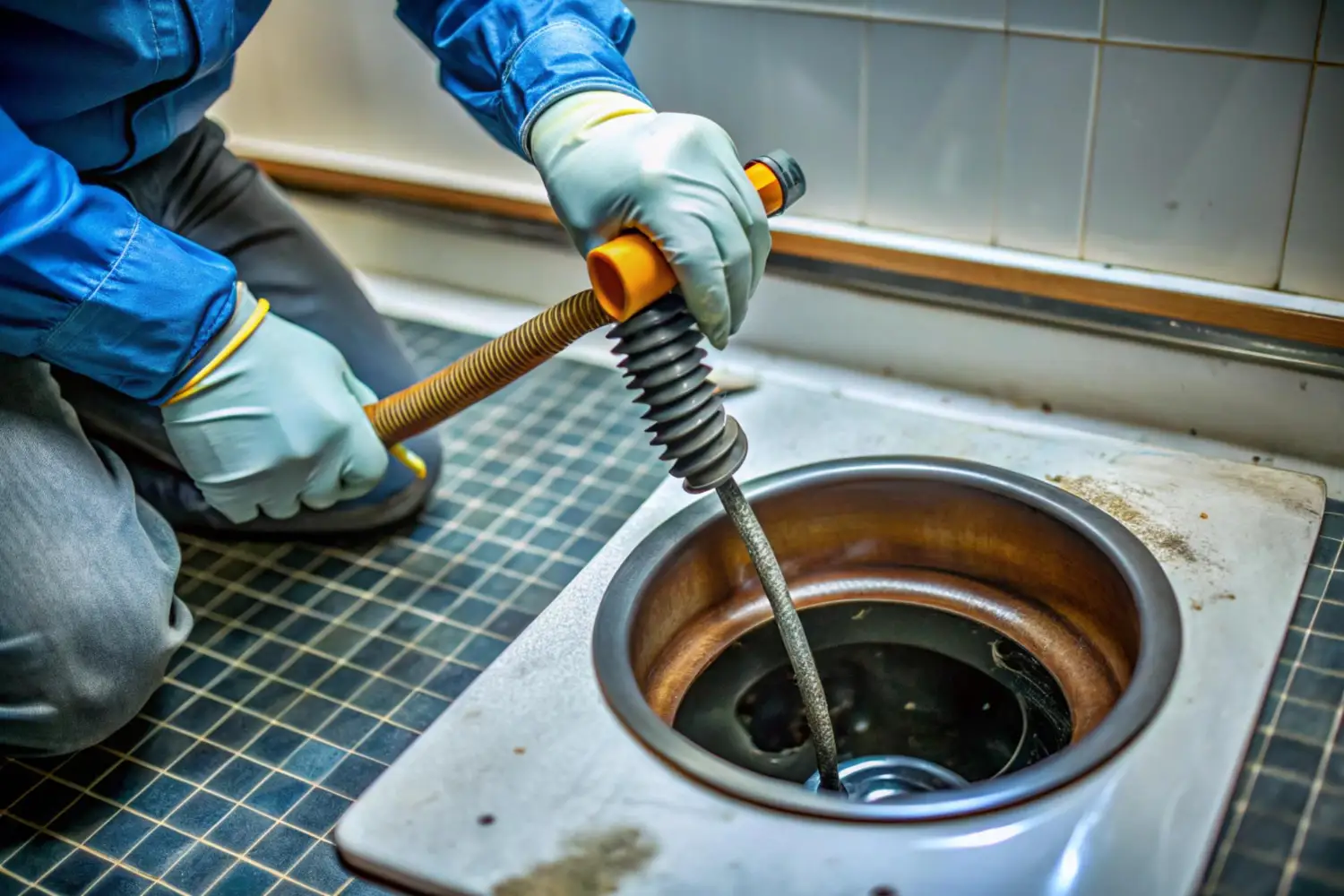
Professional Drain Cleaning Services utilize heavy-duty motorized drain augers, commonly known as drain snakes. These professional machine cables feature specialized cutting heads designed to navigate pipe bends safely. As the cable rotates through the pipe, it cuts through dense hair mats, breaks up hardened debris, and retrieves foreign objects without damaging the surrounding pipe walls.
High-Pressure Hydro-Jetting Technology
For deep, thorough cleaning, hydro-jetting represents the industry gold standard. This specialized equipment uses a flexible high-pressure hose fitted with multi-directional nozzles that spray water at pressures up to 4,000 pounds per square inch. Hydro-jetting does not just poke a hole through a blockage; it thoroughly scours the internal circumference of the pipe, stripping away grease, mineral scale, and tree roots to restore the pipe to its original inner diameter.
Diagnostic Tools Used by Professional Technicians
Modern plumbing care relies on accurate diagnostics to pinpoint the exact location and nature of pipe blockages before executing repairs.
Fiber-Optic Video Camera Audits
A video camera inspection involves inserting a flexible, waterproof camera attached to a push cable into your drainage system through a cleanout access point. The camera feeds live, high-definition video back to a surface monitor, allowing technicians to inspect the interior pipe conditions directly.
Precise Location and Depth Mapping
Inspection cameras are equipped with radio transmitters that broadcast frequency signals through the ground. A technician using an above-ground locator can walk across your floor or yard to trace the camera's exact path, pinpointing the depth and location of severe blockages, pipe cracks, or sags. This eliminates unnecessary structural demolition and guesswork.
The Financial Benefits of Routine Pipe Care
Many property owners view drain care as a reactive task something to arrange only when a pipe backs up completely. However, adopting a proactive maintenance approach offers clear financial and practical advantages.
Preventing Sudden Interior Flooding
A severe main drain blockage can cause raw sewage or gray water to back up through basement floor drains, shower stalls, and toilets. The costs associated with emergency water extraction, carpet replacement, drywall repair, and mold remediation far outweigh the investment in routine Drain Cleaning Services.
Extending the Lifespan of Your Plumbing Network
When drain lines are coated in decomposing organic waste and mineral scale, chemical reactions accelerate internal pipe corrosion. Keeping your pipes clean reduces chemical exposure, minimizes internal pressure buildup, and extends the structural life of your entire drainage system.
Improving Overall Household Sanitation
Clean drains remove breeding grounds for fruit flies, drain flies, and harmful bacteria. Maintaining smooth water flow eliminates foul odors and ensures your living environment remains clean, fresh, and hygienic for your family.
Best Practices for Maintaining Clear Drains Every Day
While professional maintenance is essential for deep cleaning, practicing good daily habits helps prevent heavy blockages between service visits.
-
Use Drain Strainers: Place mesh strainers over all shower, tub, and sink drains to catch hair, soap chunks, and food particles before they enter the piping.
-
Dispose of Cooking Oils Properly: Never pour grease or cooking fat down the sink. Allow fats to cool in a container and throw them in the trash.
-
Flush with Hot Water: After washing dishes, run hot water down the kitchen drain for 30 seconds to help flush lingering oils through the branch lines.
-
Avoid Non-Flushable Products: Educate everyone in your household to flush only toilet paper and human waste. Never flush wipes, paper towels, or hygiene items.
-
Schedule Annual Maintenance: Arrange for professional Drain Cleaning Services once a year to clear minor scale and organic accumulation before severe blockages form.
Relying on experienced professionals like Merritt Plumbing ensures your drainage system receives careful, code-compliant treatment tailored to your property's specific piping materials and age.
Conclusion
Clear, functional drains are vital for maintaining a healthy and comfortable living environment. Recognizing early warning signs like slow drainage, gurgling sounds, and unpleasant odors allows you to address pipe restrictions before they escalate into major water backups. By avoiding harsh chemical drain cleaners and choosing professional maintenance methods like high-pressure hydro-jetting and mechanical snaking, you protect your pipes from premature wear and damage. Adopting preventive care habits and partnering with trusted specialists like Merritt Plumbing keeps your wastewater system running cleanly, efficiently, and reliably day after day.
