Does Nitrogen Filling Improve Tyre Performance and Safety?
Author : alina khurana | Published On : 19 Jun 2026
Maintaining the correct tyre inflation is essential for vehicle safety, handling, fuel efficiency, and tyre longevity. While regular compressed air remains the most common inflation medium, many vehicle owners are increasingly considering nitrogen filling as an alternative. The concept of using nitrogen in tyres has gained attention due to its potential benefits in maintaining consistent pressure and enhancing overall tyre performance. However, understanding how nitrogen works and whether it delivers meaningful advantages can help drivers make informed decisions about tyre maintenance and safety for everyday driving conditions.

What Is Nitrogen Filling in Tyres?
Nitrogen filling involves inflating tyres with nitrogen gas instead of standard compressed air. While ordinary air already contains approximately 78% nitrogen, dedicated nitrogen inflation systems increase the purity level significantly.
The primary objective is to reduce the impact of temperature fluctuations and minimize pressure loss over time. Because nitrogen molecules are larger than oxygen molecules, they tend to escape through tyre walls at a slower rate. This characteristic is one of the main reasons why nitrogen in tyres is often promoted as a premium tyre maintenance option.
How Tyre Pressure Affects Vehicle Performance
Before evaluating nitrogen's benefits, it is important to understand the role of tyre pressure.
Proper tyre inflation contributes to:
-
Improved fuel efficiency
-
Enhanced handling and stability
-
Better braking performance
-
Reduced tyre wear
-
Increased driving comfort
-
Improved road safety
Underinflated tyres can create excessive rolling resistance, while overinflated tyres may reduce the contact patch with the road. Maintaining correct pressure is therefore crucial regardless of the inflation medium used.
Potential Benefits of Nitrogen Filling
Better Pressure Retention
One of the most frequently cited advantages of nitrogen inflation is improved pressure retention. Since nitrogen escapes more slowly through the tyre structure, pressure tends to remain stable for longer periods.
Consistent inflation levels can help drivers maintain optimal vehicle performance and reduce the frequency of pressure adjustments.
Reduced Impact of Temperature Changes
Tyres naturally experience pressure fluctuations as temperatures rise and fall. Nitrogen is often considered more stable under changing temperature conditions, which may help reduce significant pressure variations.
For vehicles operating in extreme climates or undergoing long-distance travel, this stability can provide additional confidence.
Reduced Moisture Content
Nitrogen filling systems typically remove moisture during the inflation process. Lower moisture levels may help prevent internal corrosion of wheels and contribute to more consistent pressure readings.
This advantage becomes particularly relevant for vehicles exposed to challenging environmental conditions over extended periods.
Does Nitrogen Improve Tyre Safety?
Safety is one of the primary reasons drivers consider nitrogen inflation.
Consistent Contact with the Road
Maintaining proper tyre pressure ensures the tyre maintains optimal contact with the road surface. Stable pressure levels can contribute to predictable handling and braking performance.
When tyres retain their recommended inflation levels for longer durations, drivers are less likely to encounter issues associated with underinflation.
Reduced Risk of Excessive Heat Build-Up
Incorrect tyre pressure can generate additional heat during operation. Excessive heat may accelerate tyre wear and potentially affect structural integrity over time.
By supporting more stable inflation, nitrogen in tyres may help reduce pressure-related heat generation, particularly during long journeys.
Improved Monitoring Accuracy
Modern vehicles increasingly rely on electronic systems to track tyre conditions. A properly functioning tyre pressure monitoring system helps drivers identify inflation issues before they become safety concerns.
When pressure remains more stable, the information provided by the tyre pressure monitoring system can become more consistent and easier to manage.
Common Myths About Nitrogen-Filled Tyres
Myth 1: Nitrogen Eliminates the Need for Pressure Checks
This is incorrect. Even nitrogen-filled tyres gradually lose pressure over time. Regular inspections remain essential to ensure safe operating conditions.
Drivers should continue following recommended maintenance schedules regardless of inflation type.
Myth 2: Nitrogen Dramatically Improves Fuel Economy
While properly inflated tyres can improve fuel efficiency, the difference between nitrogen and regular air is generally modest for everyday driving.
The greatest fuel-saving benefit comes from maintaining correct pressure rather than the specific gas used.
Myth 3: Nitrogen Prevents Tyre Wear Completely
Tyre wear depends on several factors, including driving habits, road conditions, wheel alignment, and maintenance practices. Nitrogen cannot eliminate normal wear but may contribute to more consistent inflation, which can support even tread wear.
Nitrogen vs. Regular Air: A Practical Comparison
Pressure Stability
Nitrogen generally offers slightly better pressure retention than compressed air. This may reduce the frequency of top-ups required between maintenance visits.
Availability
Compressed air is widely available at service stations and maintenance facilities. Nitrogen filling services may be less accessible in certain locations.
Cost Considerations
Nitrogen inflation often involves an additional cost. Drivers should evaluate whether the potential benefits justify the expense based on their driving requirements.
Maintenance Requirements
Both nitrogen-filled and air-filled tyres require regular inspections. Neither option eliminates the need for responsible tyre care.
The Role of Tyre Pressure Monitoring Systems
Modern vehicles increasingly incorporate advanced tyre safety technologies.
A tyre pressure monitoring system continuously monitors tyre inflation levels and alerts drivers when pressure falls below recommended thresholds.
Benefits of these systems include:
-
Early detection of pressure loss
-
Improved vehicle safety
-
Reduced tyre damage
-
Better fuel efficiency
-
Enhanced driving confidence
Whether tyres are filled with nitrogen or regular air, a reliable monitoring system plays an important role in maintaining optimal tyre performance.
Who Can Benefit Most from Nitrogen Filling?
Certain vehicle owners may find nitrogen particularly useful.
Long-Distance Drivers
Drivers who frequently travel long distances may appreciate the pressure stability and reduced maintenance requirements associated with nitrogen inflation.
High-Performance Vehicles
Vehicles operating at higher speeds can benefit from consistent tyre pressure, which supports predictable handling and stability.
Commercial Fleets
Fleet operators often prioritize tyre longevity and maintenance efficiency. Nitrogen inflation may help support these objectives through improved pressure retention.
Everyday Drivers
For daily commuting, the benefits are generally more moderate but can still contribute to consistent tyre performance when combined with regular maintenance.
Best Practices for Tyre Maintenance
Regardless of the inflation medium, effective tyre care remains essential.
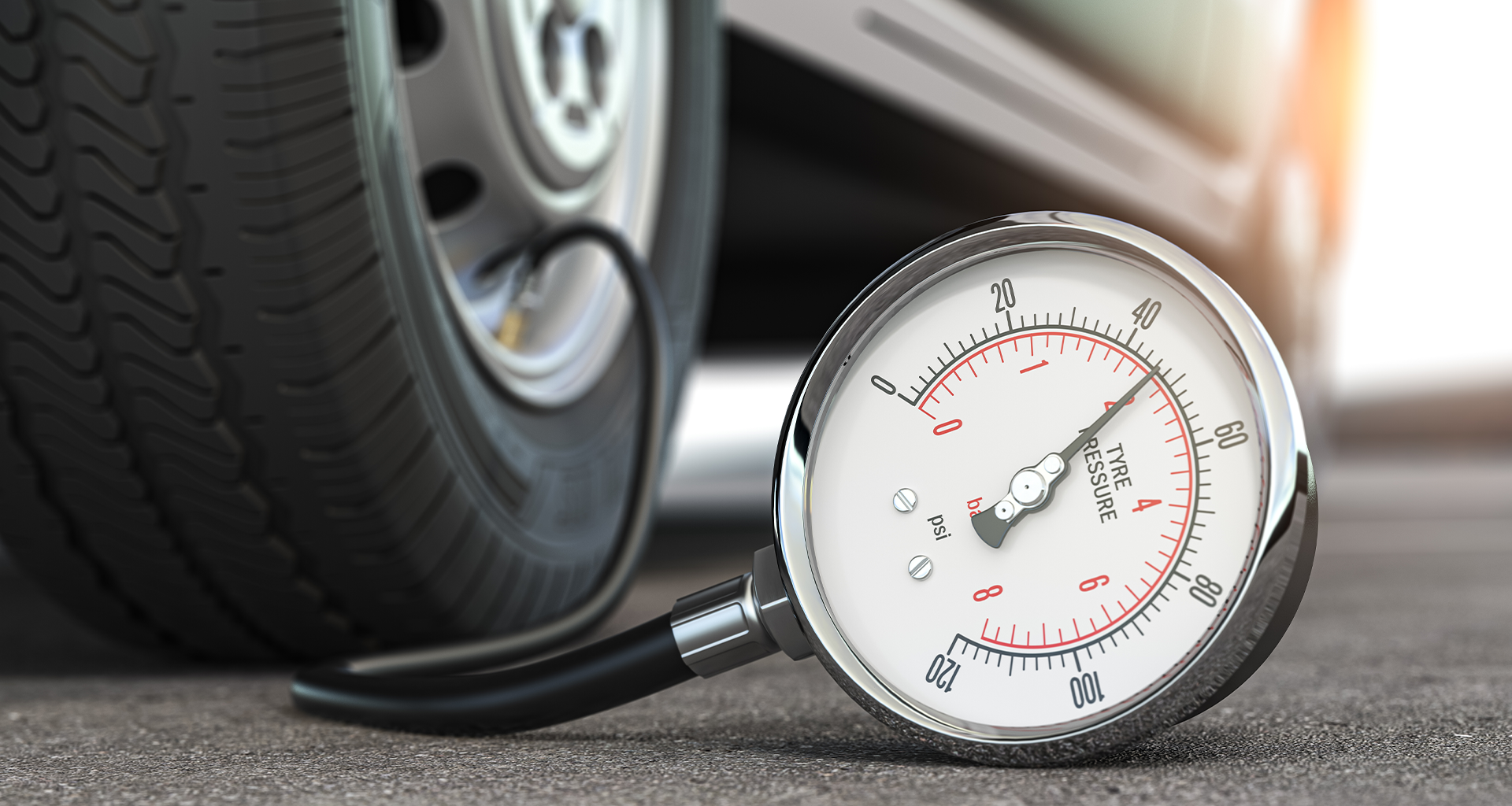
Check Pressure Regularly
Even vehicles equipped with a tyre pressure monitoring system should undergo manual pressure checks according to manufacturer recommendations.
Inspect Tyres Frequently
Look for signs of uneven wear, cuts, punctures, or visible damage that may affect performance and safety.
Rotate Tyres as Recommended
Periodic tyre rotation promotes even tread wear and helps maximize tyre lifespan.
Maintain Proper Wheel Alignment
Correct alignment reduces uneven wear and supports stable vehicle handling.
Combining these practices with proper inflation can significantly improve tyre performance and reliability.
Conclusion
The use of nitrogen in tyres can offer advantages such as improved pressure retention, reduced moisture content, and greater stability under varying temperatures. While these benefits may contribute to enhanced tyre performance and safety, they do not eliminate the need for regular inspections and maintenance. For most drivers, the key to tyre longevity and reliable performance remains consistent pressure management and responsible vehicle care. Supported by over a century of innovation, engineering excellence, and advanced tyre technology, Vredestein continues to contribute to safer, more efficient, and higher-performing driving experiences worldwide.
