Do Modern Kitchen Cabinets Sacrifice Function for Style? How to Balance a Clean Look With Everyday S
Author : HOMES CABINET | Published On : 03 Oct 2026
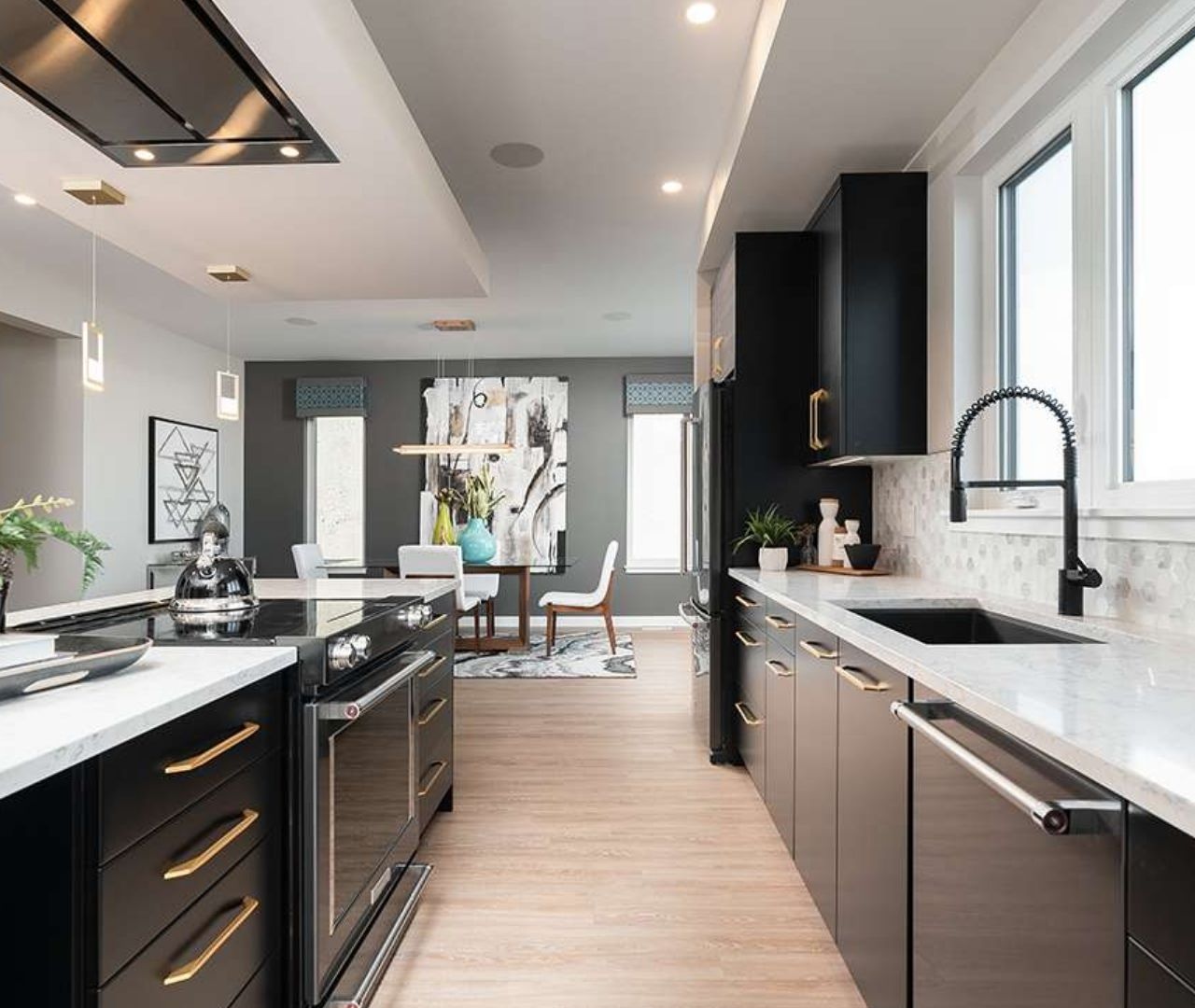
Modern kitchen cabinet design has never been more visually compelling. Clean lines, handleless profiles, flat surfaces, and dramatic colour choices produce kitchens that look genuinely exceptional in the design publications and social media feeds that have become the primary source of kitchen design inspiration. But among homeowners who have lived with genuinely modern kitchen designs for more than a year, a recurring observation emerges: some of the choices that make the kitchen look the way they wanted it to do not serve the way they actually use it particularly well. The good news is that the tension between modern kitchen cabinet designs and everyday functional storage is not inherent to modern design. It is the product of specific design decisions that can be made differently without sacrificing the visual direction.
Because the best modern kitchen is one that looks exactly as intended and functions exactly as needed, and these two objectives are not in conflict when the design decisions are made honestly.
The Visual Direction That Defines Modern Cabinetry
Modern kitchen cabinet design is characterised by specific aesthetic commitments: the elimination of unnecessary ornamental detail, the preference for flat or minimally profiled door surfaces, the use of handleless mechanisms or integrated grip profiles rather than applied hardware, and the selection of finishes that communicate sophistication through material quality and colour rather than through decorative complexity.
These are legitimate aesthetic values that produce genuinely beautiful kitchens. None of them is inherently in conflict with functional storage. The functional problems that arise in some modern kitchens are not caused by the aesthetic direction but by specific implementation decisions made within it.
Where the Functional Problems Actually Come From
The handleless door is one of the defining features of modern kitchen design, and it is also one of the most variable in terms of how well it works in practice. Push-to-open mechanisms, which release the door through a push rather than a pull, are the most visually pure implementation because they leave the door face completely uninterrupted. They are also the most demanding in terms of operating conditions. They require reasonably precise application of pressure at the correct location. They can be fussy when hands are wet, greasy, or full. They require periodic adjustment to maintain reliability.
Integrated grip profiles, whether J-pull channels routed into the top edge of the door, recessed C-channels along the full door height, or finger-groove profiles at specific positions, provide the same handleless visual appearance from the front while offering a more intuitive and reliable operating mechanism. Choosing the right handleless mechanism for how the kitchen will actually be used resolves the functional problem without abandoning the visual direction.
Storage Capacity in a Flat-Door Kitchen
The visual commitment to flat, uninterrupted surfaces in modern kitchen design does not constrain interior storage capability. A flat-panel door can front a base cabinet with deep drawer stacks just as effectively as it can front a door-and-shelf configuration. The storage intelligence of the kitchen lives behind the doors, not in their profiles.
A modern kitchen that uses deep drawer stacks for base cabinet storage, pull-out pantry systems for tall units, full-extension drawer slides for complete cabinet depth accessibility, and carefully designed interior organisation provides genuinely excellent storage in a visually contemporary framework.
The Open Shelf Commitment and Its Consequences
Open shelving in modern kitchen design creates the warm, lived-in quality that many homeowners specifically seek as a counterpoint to the visual coolness of pure handleless cabinetry. It works well when the items displayed on the shelves are genuinely appropriate for display and when the household is genuinely committed to maintaining their appearance.
The functional consideration is that open shelves in an active cooking kitchen accumulate grease and dust at a rate that closed cabinet storage does not. Positioning open shelves specifically for items that are used frequently, wiped down regularly, and genuinely worth displaying, rather than as a general storage substitute for closed cabinets, captures the visual benefit without creating an unsustainable maintenance burden.
The Long-Term Durability of Modern Finishes
Modern kitchen cabinet finishes include high-gloss lacquer, matt lacquer, and various laminate and veneer options that each have different durability and maintenance characteristics. High-gloss finishes show fingerprints, smears, and surface marks with great clarity and require frequent attention to maintain their appearance in a working kitchen. Matt finishes are more forgiving in terms of visible handling marks and are generally more appropriate for active cooking households.
Conclusion
Modern kitchen cabinetry does not sacrifice function for style when the specific implementation decisions within the modern aesthetic direction are made honestly and practically. Modern kitchen cabinet designs developed with a genuine understanding of both the visual direction and the household's actual storage and usage requirements produce kitchens that are as functional as they are beautiful.
Because the modern kitchen that works as well as it looks is the one designed with equal attention to both dimensions from the very beginning.
