Do I Really Need a Boring Ring to Make Soft Jaws?
Author : Surya makeyoueasy | Published On : 11 Jul 2026
Introduction
If you work with CNC lathes, you’ve likely asked yourself, “Do I really need a boring ring to make soft jaws?” While it may seem like an optional accessory, a boring ring is one of the most valuable tools for achieving high-precision chuck setup and repeatable machining results.
Soft jaws are designed to be machined for a specific workpiece diameter, allowing maximum contact, better grip, and superior concentricity. However, boring soft jaws without simulating actual clamping conditions can lead to inaccurate jaw geometry, increased runout, and poor workpiece holding. That’s exactly where a Jaw Boring Ring becomes essential.
In this guide, we’ll explain why a boring ring matters, how it works, and when you should use one to improve your CNC turning operations.
What Is a Jaw Boring Ring?
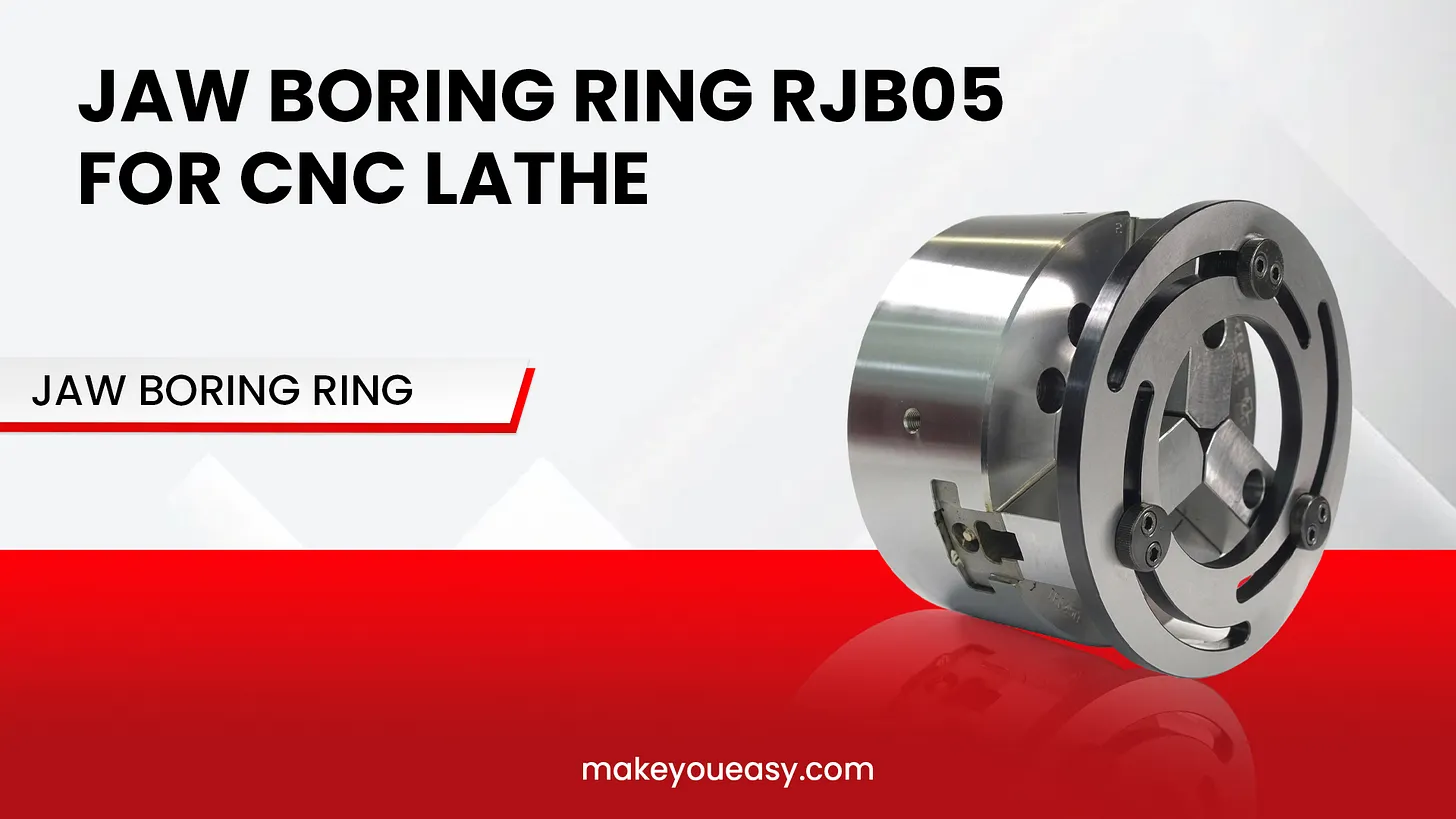
A Jaw Boring Ring is a precision setup tool used to preload the soft jaws of a CNC lathe chuck before machining them. It applies clamping pressure similar to what the chuck experiences when holding a workpiece.
This simulated clamping force allows the jaws to be bored in their actual working position, resulting in greater accuracy when they grip the finished part.
Without a boring ring, the jaws are machined in a relaxed state. Once they clamp a workpiece, they deform slightly, causing runout and reduced accuracy.
Why Soft Jaws Need to Be Bored
Soft jaws are intentionally supplied with extra material so they can be machined to match the exact size of a specific workpiece.
Boring the jaws provides several advantages:
-
Perfect workpiece seating
-
Improved concentricity
-
Better gripping force
-
Reduced vibration
-
Higher machining accuracy
-
Protection against workpiece distortion
Every time a new workpiece size is introduced, the soft jaws are typically re-bored for optimum performance.
Why a Boring Ring Is Important
Many machinists believe they can bore soft jaws without using a boring ring. While this may work for low-precision applications, it rarely delivers the accuracy required in modern CNC manufacturing.
Using a boring ring ensures the chuck jaws are under realistic clamping pressure during machining.
Key Benefits
1. Better Concentricity
The primary purpose of a boring ring is to improve concentricity.
Since the jaws are bored while preloaded, the finished bore aligns more accurately with the spindle axis.
The result is:
-
Lower Total Indicated Runout (TIR)
-
Better part accuracy
-
Improved repeatability
2. More Accurate Workpiece Clamping
When soft jaws are bored under proper preload, they grip the workpiece evenly.
This reduces:
-
Workpiece movement
-
Slippage
-
Jaw misalignment
-
Uneven gripping pressure
3. Superior Surface Finish
Stable workpiece holding directly improves machining quality.
Less vibration means:
-
Better surface finish
-
Cleaner cuts
-
Improved dimensional consistency
4. Longer Soft Jaw Life
Proper jaw boring distributes clamping forces evenly across the jaws.
This minimizes:
-
Uneven wear
-
Jaw damage
-
Frequent re-machining
5. Faster Production Setup
Once correctly bored, soft jaws can be reused for repeat production.
This reduces:
-
Machine setup time
-
Operator adjustments
-
Production delays
What Happens Without a Boring Ring?
Skipping a boring ring may save a few minutes initially, but it often creates larger problems later.
Common issues include:
-
High runout
-
Poor concentricity
-
Inconsistent gripping
-
Part movement
-
Vibration during cutting
-
Reduced tool life
-
Increased scrap rate
-
Frequent quality inspection failures
In precision industries, these issues can quickly become expensive.
How Does a Boring Ring Work?
The process is simple:
-
Install the soft jaws on the chuck.
-
Position the boring ring around the jaws.
-
Tighten the chuck until the jaws clamp the ring.
-
Bore the jaws to the required diameter.
-
Remove the boring ring.
-
Load the workpiece.
Since the jaws were machined while under clamping pressure, they now hold the workpiece much more accurately.
When Should You Use a Boring Ring?
A boring ring should be used whenever high accuracy is required.
Typical applications include:
-
CNC turning
-
Precision machining
-
Automotive components
-
Aerospace parts
-
Hydraulic components
-
Medical devices
-
Bearing housings
-
Precision shafts
-
Repeat production jobs
-
Tight-tolerance machining
Can You Bore Soft Jaws Without One?
Technically, yes.
Practically, it depends on your accuracy requirements.
For rough machining or low-tolerance work, some shops may skip using a boring ring. However, for precision turning, repeatable production, and high-quality finishes, using a boring ring is considered best practice.
If your customers expect tight tolerances and consistent quality, a boring ring is a worthwhile investment.
Choosing the Right Jaw Boring Ring
When selecting a boring ring, consider:
-
Chuck size compatibility
-
Jaw travel range
-
Material quality
-
Rigidity
-
Ease of adjustment
-
Durability
-
Precision manufacturing
-
Wear resistance
A high-quality boring ring will provide years of reliable service while improving machining accuracy.
Best Practices for Soft Jaw Boring
To achieve the best results:
-
Always clean the chuck before installation.
-
Use a properly sized boring ring.
-
Apply the correct clamping force.
-
Machine the jaws in a single setup whenever possible.
-
Inspect jaw alignment after boring.
-
Verify runout using a dial indicator.
-
Replace worn soft jaws when necessary.
-
Store boring rings in a clean, dry environment.
Following these practices helps maximize both chuck performance and workpiece quality.
Industries That Benefit from Jaw Boring Rings
Jaw boring rings are widely used in:
-
Automotive manufacturing
-
Aerospace engineering
-
Oil & gas machining
-
Medical device manufacturing
-
Heavy engineering
-
General machining
-
CNC production facilities
-
Tool rooms
-
Precision component manufacturing
Any industry requiring accurate CNC turning can benefit from proper soft jaw boring.
Explore Premium CNC Tooling at Make You Easy
Looking for high-quality CNC cutting tools, tool holders, measuring instruments, workholding solutions, and machine accessories? At Make You Easy, we offer a comprehensive range of precision-engineered products designed to improve machining accuracy, productivity, and reliability.
Whether you need Jaw Boring Rings, U Drills, BT Tool Holders, ER Collet Chucks, Measuring Gauges, Lubrication Pumps, or CNC Accessories, you’ll find dependable solutions backed by quality and fast Pan-India delivery.
Conclusion
So, do you really need a boring ring to make soft jaws?
If accuracy, repeatability, and machining quality matter, the answer is yes.
A Jaw Boring Ring is more than just a setup accessory. It is a precision tool that helps eliminate runout, improve concentricity, reduce scrap, and ensure that soft jaws perform exactly as intended. By boring jaws under realistic clamping conditions, you create a more stable and accurate workholding system, leading to better surface finishes, tighter tolerances, and greater confidence in every machining operation.
Whether you’re running a small machine shop or a high-volume production line, investing in a quality boring ring is a simple step that can deliver long-term gains in productivity, quality, and customer satisfaction.
Frequently Asked Questions (FAQs)
1. What is the main purpose of a boring ring?
A boring ring preloads soft jaws during machining, ensuring they are bored under actual clamping conditions for improved accuracy.
2. Can I machine soft jaws without a boring ring?
Yes, but accuracy and concentricity may be compromised, especially in precision machining applications.
3. Does a boring ring reduce runout?
Yes. It helps produce soft jaws with better concentricity, reducing Total Indicated Runout (TIR).
4. Is a boring ring only for CNC lathes?
It is primarily used with CNC lathes and hydraulic power chucks but can also be used on compatible turning setups.
5. How often should soft jaws be re-bored?
Soft jaws should be re-bored whenever the workpiece diameter changes significantly or when wear affects clamping accuracy.
Popular Search
JAW BORING RING RJB05, Jaw Boring Ring, RJB05 Jaw Boring Ring, Soft Jaw Boring Ring
