Do Braces Cause Pain And How To Manage It Effectively?
Author : Dynamicclinic centre | Published On : 10 Jun 2026
Braces are one of the most effective orthodontic treatments for correcting misaligned teeth and improving overall oral health. While many people are excited about achieving a straighter smile, it is common to wonder whether braces cause pain and how discomfort can be managed during treatment. Understanding what to expect can help patients feel more confident and prepared throughout their orthodontic journey.
For individuals considering Braces in Dubai, knowing the facts about discomfort and pain management can make the treatment experience much smoother and less stressful.
Do Braces Actually Cause Pain?
The simple answer is yes, braces can cause some level of discomfort, especially during the initial stages of treatment. However, the sensation is generally temporary and manageable. Most patients describe it as pressure, soreness, or mild discomfort rather than severe pain.
Braces work by applying gentle and continuous pressure to move teeth into their correct positions. As the teeth gradually shift, the surrounding tissues, gums, and jawbone adapt to these changes, which can lead to temporary sensitivity.
The good news is that any discomfort usually decreases as the mouth adjusts to the braces.
When Is Discomfort Most Common?
Patients receiving Braces in Dubai often experience discomfort during specific stages of treatment.
After Getting Braces Installed
The first few days after braces are placed are typically when discomfort is most noticeable. Teeth may feel tender, and eating certain foods can become challenging.
Following Adjustment Appointments
Orthodontic adjustments are necessary to keep teeth moving according to the treatment plan. After these appointments, mild soreness may occur for a few days as the teeth respond to new pressure.
Irritation from Brackets and Wires
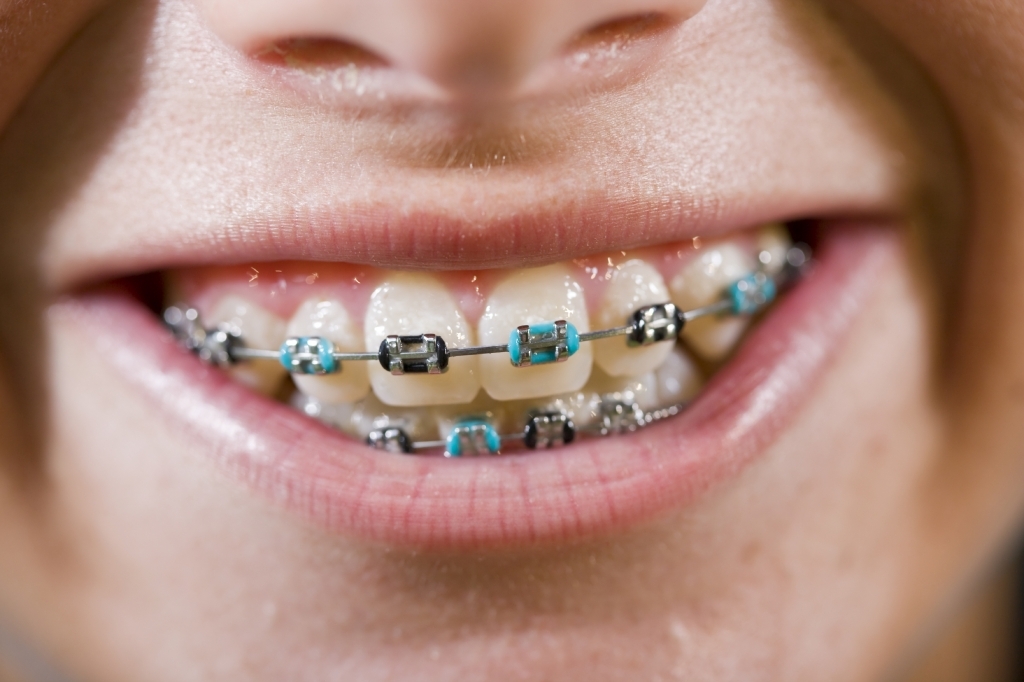
Brackets and wires may initially rub against the inside of the cheeks, lips, or tongue. This irritation is usually temporary as the mouth becomes accustomed to the appliance.
How Long Does the Pain Last?
One of the most reassuring facts about orthodontic treatment is that discomfort does not last forever. Most patients find that soreness after getting braces or adjustments improves significantly within a few days.
The intensity and duration of discomfort can vary depending on factors such as:
- Individual pain tolerance
- The complexity of the orthodontic case
- The type of braces being used
- The amount of tooth movement required
For most people, discomfort is mild and manageable with simple self-care measures.
Effective Ways to Manage Braces Discomfort
Fortunately, there are several strategies that can help reduce soreness and make the adjustment period easier.
Eat Soft Foods
Soft foods can help minimize pressure on sensitive teeth during the first few days after getting braces or after adjustments.
Some good options include:
- Yogurt
- Mashed potatoes
- Smoothies
- Soup
- Scrambled eggs
- Soft fruits
Avoid hard, crunchy, or sticky foods that may increase discomfort or damage the braces.
Use Orthodontic Wax
Orthodontic wax is commonly used to cover brackets or wires that may be causing irritation inside the mouth. Applying wax creates a protective barrier that reduces friction and allows sensitive areas to heal.
Rinse with Warm Salt Water
A warm saltwater rinse can help soothe irritated gums and soft tissues. This simple home remedy is often recommended for patients adjusting to Braces in Dubai and can provide quick relief from minor discomfort.
Stay Hydrated
Drinking plenty of water helps maintain oral health and can reduce irritation caused by dry mouth. Water also assists in keeping the mouth clean and comfortable throughout treatment.
Maintain Good Oral Hygiene
Proper brushing and flossing are essential when wearing braces. Keeping the teeth and gums healthy can help prevent inflammation, irritation, and additional discomfort.
Understanding the Difference Between Pressure and Pain
Many people assume braces are painful throughout the entire treatment process. In reality, what most patients experience is pressure rather than ongoing pain.
Pressure is actually a sign that the braces are working. As the teeth gradually move into better alignment, mild sensations of tightness may occur. These feelings are generally temporary and become less noticeable over time.
Patients who choose Braces in Dubai are often pleasantly surprised to discover that treatment is much more comfortable than they initially expected.
Tips for a Comfortable Orthodontic Journey
To ensure a positive braces experience, consider the following recommendations:
- Follow all orthodontic instructions carefully.
- Attend regular adjustment appointments.
- Wear any prescribed appliances as directed.
- Avoid foods that may damage braces.
- Keep up with daily oral hygiene routines.
- Communicate any concerns or unusual discomfort to your orthodontic provider.
Being proactive can help prevent complications and contribute to a smoother treatment process.
The Long-Term Benefits Outweigh Temporary Discomfort
While braces may cause temporary soreness, the long-term benefits are often well worth the short adjustment period. Straight teeth are easier to clean, contribute to better oral health, and can improve confidence in daily life.
Many patients who undergo orthodontic treatment report that any initial discomfort becomes a distant memory once they see the positive transformation in their smile.
Choosing Braces in Dubai can be an important step toward achieving healthier teeth, improved bite function, and enhanced self-confidence.
Conclusion
Braces can cause temporary discomfort, particularly during the first few days after placement or following adjustments. However, this discomfort is generally mild, manageable, and short-lived. Understanding what to expect and using simple pain-management techniques can make the orthodontic journey much easier.
For those considering Braces in Dubai, it is important to remember that the temporary soreness associated with treatment is a normal part of the process. With proper care, patience, and good oral hygiene habits, patients can successfully navigate treatment and enjoy the lasting benefits of a healthier, straighter smile.
