Digitalizing SOPs: Ensuring Precision in Small-Batch Nano-Fabrication
Author : Jason Robinson | Published On : 19 Aug 2026
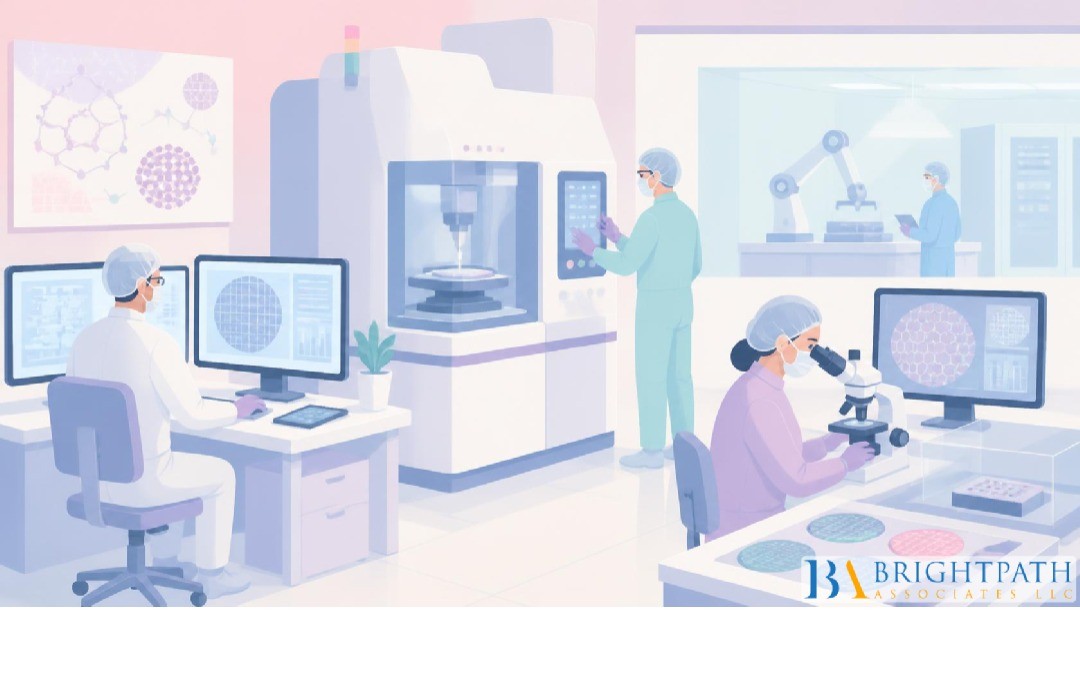
Small-batch nanofabrication occupies a unique position in advanced manufacturing. It requires the flexibility to experiment, adapt processes, and respond to specialized customer requirements while maintaining extremely high levels of precision. At nanoscale dimensions, however, even minor variations in process conditions can affect material properties, device performance, yield, and reproducibility.
This makes Standard Operating Procedures (SOPs) far more than administrative documents. They are the operational foundation that connects scientific knowledge with repeatable manufacturing.
As organizations across the Nanotechnology Industry move from laboratory experimentation toward commercialization, digitalizing SOPs can help engineering and production teams create more consistent processes while preserving the flexibility that small-batch manufacturing requires.
Why Traditional SOPs Struggle in Nanofabrication
Traditional SOPs are often created as static documents. They may exist as printed manuals, PDFs, spreadsheets, or files stored across different systems. Although these formats can document procedures, they do not necessarily make real-time execution easier.
Small-batch nanofabrication can involve numerous variables, including temperature, pressure, chemical concentrations, deposition rates, substrate conditions, equipment settings, and environmental factors.
A technician may need to consult several documents before completing a single process. When procedures change, outdated versions can also remain in circulation. Digital SOP platforms address some of these challenges by creating a centralized environment where approved procedures can be accessed, updated, monitored, and connected to operational data.
Digital SOPs Create a Single Source of Truth
One of the greatest advantages of digital SOPs is version control. In precision manufacturing, employees need confidence that they are following the currently approved process. A centralized digital system can establish a controlled source for procedures, reducing the risk that technicians accidentally use obsolete instructions.
This becomes particularly important when process parameters are modified following an experiment, quality investigation, equipment upgrade, or engineering change. Instead of distributing revised documents manually, organizations can manage approved changes through a controlled digital workflow.
Digitalization Can Reduce Human Error
Human expertise remains essential in nanofabrication, but even highly skilled technicians can make mistakes when working under time pressure or managing complicated procedures. Digital workflows can reduce certain types of errors by standardizing instructions and prompting users at critical points.
Automated checks can identify missing information or values outside predetermined ranges. For example, if a technician enters a parameter outside an approved process window, the system could require confirmation or trigger an escalation. These safeguards do not replace human judgment. Instead, they provide another layer of process control.
Connecting SOPs With Quality Management
Quality management is closely connected to process consistency. When a batch fails to meet specifications, engineering teams need to understand what happened during fabrication.
A digital SOP system can help create an auditable record of the procedure followed, parameters recorded, materials used, equipment involved, and deviations encountered. This information can accelerate root-cause investigations.
Instead of reconstructing events from handwritten notes and disconnected spreadsheets, quality teams can review a structured digital history. For small and mid-sized nanotechnology companies, this can be particularly valuable because limited staff must often manage both production and quality responsibilities.
Digital SOPs Support Continuous Improvement
SOPs should not be treated as documents that are created once and forgotten. Nanofabrication processes evolve continuously. New equipment, materials, techniques, and experimental findings can change the optimal production approach.
Digital systems make it easier to incorporate validated improvements into controlled procedures. This creates a continuous improvement cycle in which manufacturing data informs engineering decisions, engineering improvements update SOPs, and updated SOPs guide future production. Over time, the organization can build an increasingly sophisticated knowledge base.
The Human Element Remains Critical
Digital SOPs cannot replace experienced scientists, engineers, and technicians. Their greatest value comes from capturing organizational knowledge and making that knowledge easier to execute consistently.
As nanofabrication becomes more sophisticated, companies need professionals who understand both nanoscale science and digital manufacturing systems. Leadership also plays an important role.
Executives must determine which processes should be standardized, where automation is appropriate, how data should be governed, and what skills the organization needs as manufacturing becomes increasingly digital. This makes talent strategy an important component of digital transformation.
Companies entering the next stage of nanotechnology commercialization may need leaders with experience across R&D, manufacturing, quality, automation, analytics, and commercialization. BrightPath Associates' Nanotechnology Industry practice focuses on connecting nanotechnology organizations with leadership across areas including R&D, operations, AI integration, product strategy, and advanced manufacturing.
Moving From Documentation to Digital Manufacturing
The evolution of SOPs reflects a broader transformation in nanotechnology manufacturing. The objective is no longer simply to document how a process should be performed. The objective is to create an intelligent operational framework that connects people, procedures, equipment, data, quality, and continuous improvement.
The original BrightPath Associates discussion, Digitalizing SOPs in Small-Batch Nano-Fabrication, explores this shift and the importance of digital processes in maintaining precision as nanofabrication becomes more sophisticated.
Conclusion: Precision Requires More Than Advanced Equipment
Nanotechnology companies can invest in sophisticated fabrication equipment and advanced analytical systems, but technology alone does not guarantee repeatability.
Consistent results depend on disciplined processes, accurate documentation, reliable data, trained personnel, and effective leadership. Digital SOPs can provide the connective layer between these elements.
For small and mid-sized nanotechnology organizations, the opportunity is especially significant. By transforming SOPs from static documents into controlled, interactive, data-enabled workflows, companies can strengthen process consistency while retaining the flexibility required for innovation.
