Digital Twin Mandate: Simulating Results Before Cutting Steel
Author : Daniel Sparks | Published On : 08 Oct 2026
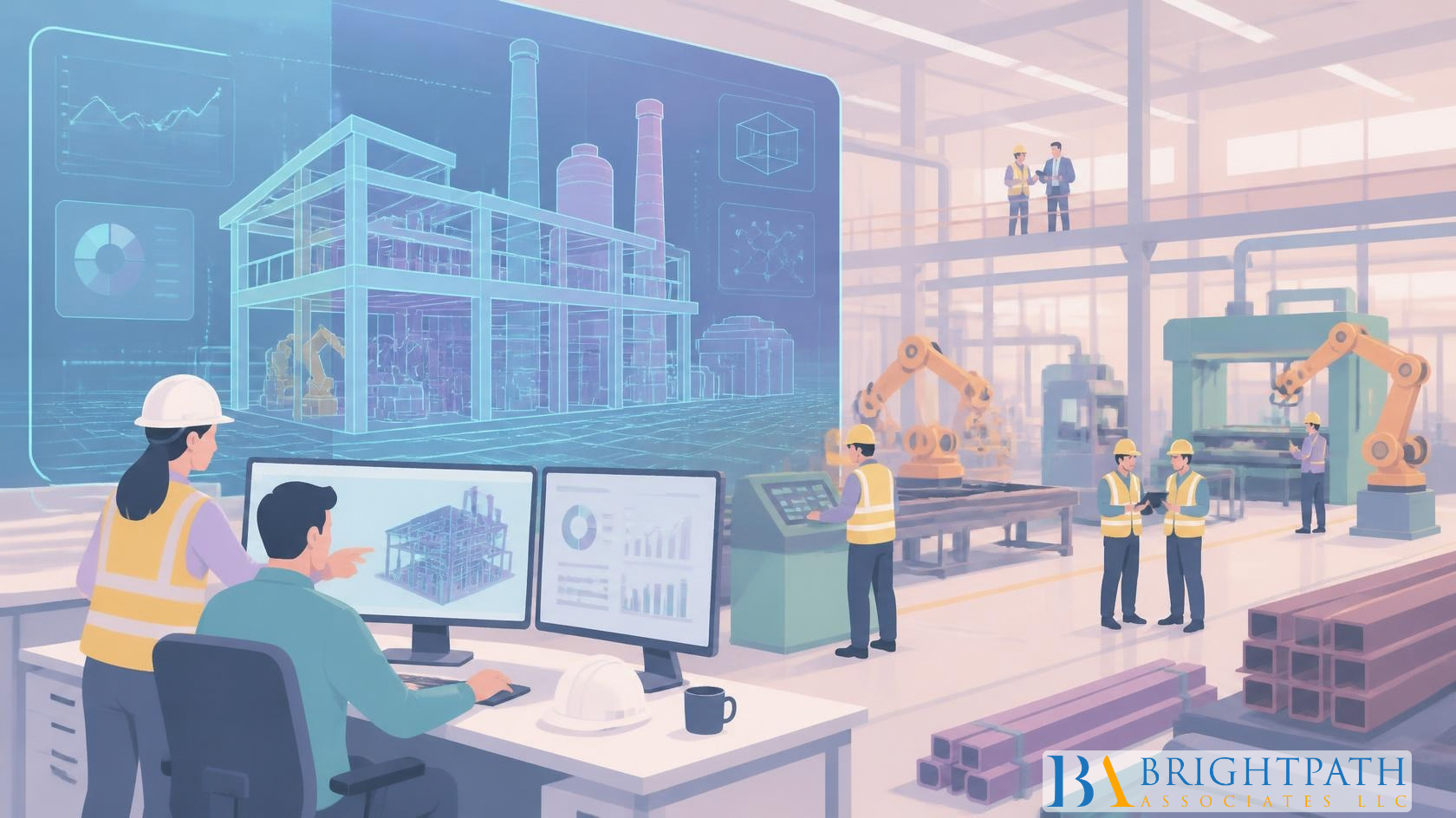
The plastics industry has always depended on precision. A small change in mold geometry, material formulation, temperature, pressure, cooling, or cycle time can affect product quality, production efficiency, and profitability. Yet many manufacturers still discover the consequences of major engineering decisions only after physical tooling has been produced or production equipment has been installed.
A digital twin creates a virtual representation of a physical product, machine, production process, or manufacturing environment. Instead of relying entirely on physical prototypes and trial-and-error, manufacturers can simulate different scenarios before committing substantial capital, production time, or engineering resources.
For plastics manufacturers, this represents more than another digital manufacturing tool. It can become a strategic method for reducing risk, improving operational decisions, accelerating innovation, and strengthening competitiveness.
Why Simulation Is Becoming a Strategic Manufacturing Capability
Plastics production involves interconnected variables. Injection molding, extrusion, blow molding, thermoforming, recycling, and other processes depend on precise relationships between materials, equipment, tooling, temperature, pressure, cooling, speed, and production conditions.
A new polymer formulation, for example, could influence flow characteristics, cooling behavior, dimensional stability, cycle time, and finished-product quality. Similarly, modifying mold geometry can affect filling behavior, pressure distribution, cooling requirements, warpage, and potential defects.
Digital twins provide engineers with an opportunity to examine these relationships virtually before implementing changes on the factory floor. The goal is not to eliminate physical testing. Rather, it is to move more experimentation into a controlled digital environment so that physical testing begins with a stronger design foundation.
Simulating Tooling Before Manufacturing
Tooling is one of the clearest applications for digital twin technology in plastics manufacturing. Injection molds and specialized tooling can require substantial investment. Once a physical mold has been manufactured, discovering a fundamental design problem can result in expensive modifications, production delays, and additional engineering work.
Simulation can allow engineers to evaluate potential filling patterns, cooling behavior, pressure requirements, warpage, and other performance considerations before the tool is fabricated. For manufacturers competing on speed and cost, identifying problems earlier can provide a meaningful advantage.
Improving Capital Investment Decisions
Traditionally, an organization considering a new injection molding machine, extrusion line, automated material-handling system, robotics application, or packaging system may evaluate supplier specifications, expected capacity, labor requirements, maintenance costs, and projected return on investment.
Those metrics remain important, but they do not always reveal how a new system will interact with an existing manufacturing environment. This can make technology investment more evidence-based rather than relying primarily on theoretical capacity or supplier demonstrations.
Manufacturers can simulate production conditions, capacity requirements, equipment utilization, bottlenecks, changeovers, and potential operational constraints. Executives can then compare different investment scenarios before committing significant capital.
Digital Twins Beyond the Factory Floor
Plastics manufacturers operate within complex supply chains involving resin suppliers, compounders, tooling companies, equipment manufacturers, logistics providers, distributors, and customers. Disruptions anywhere within this network can affect production schedules and customer commitments.
A manufacturer could model the potential consequences of a resin shortage, supplier capacity constraint, transportation disruption, unexpected demand increase, or production-line shutdown. Management can then evaluate different responses before an actual disruption occurs.
This moves supply-chain management from a reactive discipline toward a more scenario-driven approach. For companies seeking to strengthen their Plastics Industry capabilities, digital simulation can therefore become part of a broader strategy encompassing operational resilience, technology investment, innovation, and leadership development.
From Physical Trial-and-Error to Digital Confidence
The original BrightPath analysis, Digital Twin Mandate: Simulating Results Before Cutting Steel, explores how this principle can influence tooling, process optimization, technology investments, supply-chain planning, risk management, and plastics market expansion.
Manufacturing organizations have historically accepted trial-and-error as a normal part of engineering. Digital twins do not eliminate experimentation; they change where experimentation happens.
Engineers can test more scenarios virtually, identify potential weaknesses earlier, and arrive at physical prototypes with greater confidence. The physical factory remains essential—but increasingly, the digital factory becomes the place where possibilities are explored first.
Conclusion: The Future Belongs to Manufacturers That Can Predict Better
Digital twins are becoming an increasingly important capability for plastics companies seeking greater efficiency, flexibility, resilience, and innovation. Their value extends beyond product design. They can support tooling decisions, capital planning, production optimization, supply-chain resilience, risk management, and market expansion.
But successful implementation requires more than purchasing simulation software. Companies need a clear business objective, reliable operational data, connected technology, cross-functional collaboration, and leaders capable of translating digital insights into measurable results.
As digital transformation accelerates across the plastics sector, having the right leadership team can be just as important as having the right technology. Connect with BrightPath Associates LLC to discuss how specialized executive talent can help your organization turn digital manufacturing strategies into measurable business results.
