Digital Transformation in Manufacturing Automation: Leveraging Technology for Competitive
Author : Jimmy Patel | Published On : 10 Apr 2026
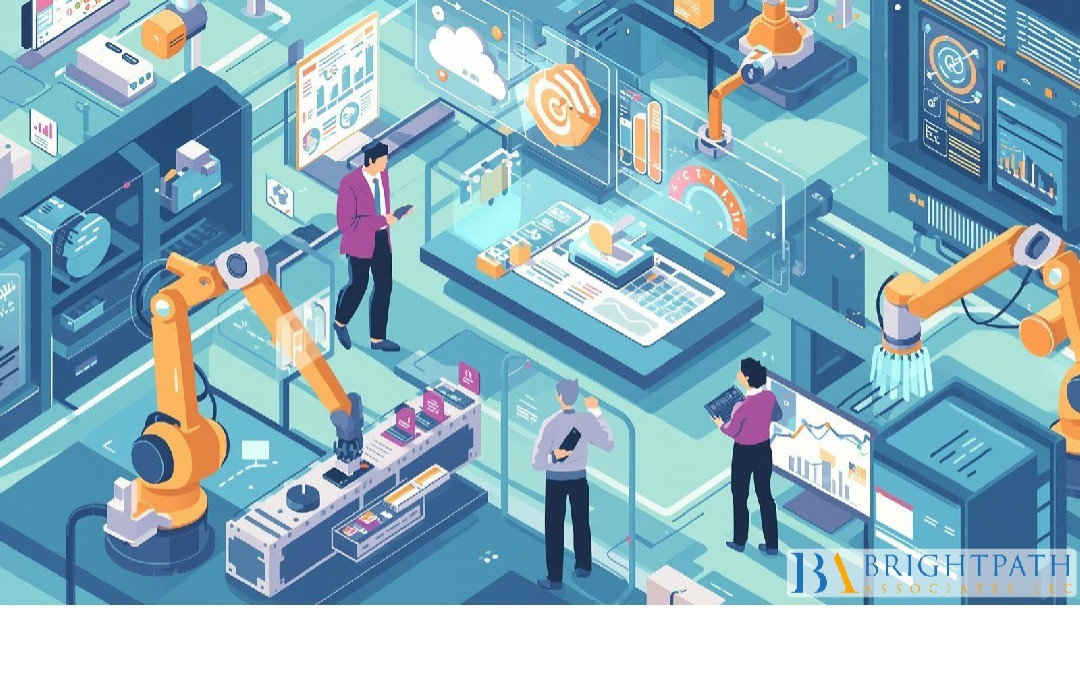
In today’s rapidly evolving industrial landscape, digital transformation has shifted from being a strategic option to an operational necessity. For small to mid-sized manufacturing companies across the United States, the pressure to improve efficiency, reduce operational costs, and maintain a competitive edge is stronger than ever. As global competition intensifies and customer expectations continue to rise, manufacturers must rethink traditional processes and embrace advanced technologies to stay relevant. Digital transformation in manufacturing automation is not just about adopting new tools—it is about fundamentally reshaping how businesses operate, innovate, and deliver value.
At its core, digital transformation integrates technologies such as artificial intelligence, Industrial Internet of Things (IIoT), robotics, and advanced data analytics into manufacturing processes. These technologies enable organizations to transition from reactive operations to proactive, data-driven decision-making. With real-time insights, predictive maintenance capabilities, and automated workflows, companies can significantly enhance productivity while minimizing downtime and inefficiencies. This shift toward smart manufacturing allows businesses to gain deeper visibility into their operations, empowering leaders to make informed strategic decisions that directly impact performance and profitability.
One of the most significant advantages of digital transformation is its ability to level the playing field for small and mid-sized enterprises. Historically, large corporations dominated the manufacturing sector due to their access to capital and resources. However, with the rise of automation and scalable digital solutions, smaller organizations now have the opportunity to compete more effectively. Automation technologies such as programmable logic controllers, robotics, and machine vision systems enable companies to streamline production, improve product quality, and accelerate time-to-market. As a result, businesses can achieve higher efficiency and consistency while reducing human error and operational risks.
The technologies driving this transformation are diverse yet interconnected. IIoT plays a crucial role by connecting machines, sensors, and systems across the production floor, enabling seamless communication and real-time data exchange. Artificial intelligence and machine learning further enhance this ecosystem by analyzing vast amounts of data to identify patterns, predict outcomes, and optimize processes. Robotics and automation systems bring precision and speed to repetitive tasks, improving both productivity and workplace safety. Meanwhile, cloud computing provides the infrastructure needed to store, process, and scale data-driven operations efficiently. Together, these technologies create an intelligent manufacturing environment where every component is interconnected and optimized for performance.
Despite its transformative potential, digital transformation is not without challenges. One of the most pressing issues faced by manufacturers today is the talent gap. While technology continues to advance at a rapid pace, the availability of skilled professionals who can effectively implement and manage these systems remains limited. Organizations need leaders who possess not only technical expertise but also the strategic vision to align digital initiatives with business goals. This includes professionals who understand automation systems, data analytics, and change management, and who can lead cross-functional teams through complex transformation journeys. Without the right talent in place, even the most advanced technologies can fail to deliver their intended value.
Another significant challenge lies in overcoming internal resistance to change and integrating new technologies with legacy systems. Many organizations struggle with high initial investment costs, concerns about return on investment, and the complexity of transitioning from traditional processes to digital systems. However, forward-thinking companies are addressing these challenges by adopting a phased approach to transformation. By starting with pilot projects, investing in employee training, and leveraging scalable cloud-based solutions, businesses can gradually build momentum and demonstrate measurable results. This approach not only reduces risk but also fosters a culture of innovation and continuous improvement within the organization.
Digital transformation also plays a critical role in driving long-term growth and sustainability. Manufacturers that embrace digital technologies are better equipped to respond to changing market demands, customize products, and optimize supply chain operations. Additionally, digital tools enable organizations to reduce waste, improve energy efficiency, and meet environmental sustainability goals. As regulatory requirements and consumer expectations continue to evolve, the ability to operate sustainably while maintaining profitability becomes a key differentiator in the market.
For organizations navigating this complex transformation journey, strategic hiring becomes a crucial factor for success. Technology alone cannot drive change—people do. Companies must invest in building leadership teams that can bridge the gap between innovation and execution. This is where partnering with experts in the BrightPath Associates LLC and exploring insights into the industrial automation industry becomes invaluable. By leveraging specialized recruitment expertise, businesses can access top-tier talent capable of leading digital initiatives and delivering measurable outcomes.
To gain a deeper understanding of how these technologies are reshaping the manufacturing landscape, you can explore this detailed analysis on digital transformation in manufacturing automation leveraging technology for competition. This resource provides comprehensive insights into the strategies and innovations driving success in today’s industrial environment.
As the manufacturing sector continues to evolve, the importance of digital transformation will only grow. Companies that embrace this change will not only improve operational efficiency but also position themselves as industry leaders capable of adapting to future challenges. On the other hand, those that hesitate risk falling behind in an increasingly competitive and technology-driven market.
The question for today’s business leaders is no longer whether to invest in digital transformation, but how to implement it effectively and sustainably. Are you equipped with the right technology, strategy, and talent to lead your organization into the future?
If you are a business leader, entrepreneur, or talent strategist in the manufacturing or automation sector, now is the time to take action. Whether you are looking to build a high-performing leadership team or seeking guidance on navigating digital transformation, the right partnership can make all the difference. Connect with BrightPath Associates LLC today to explore how you can strengthen your workforce, accelerate innovation, and secure a competitive advantage in the era of smart manufacturing.
