Digital Asset Management: Enhancing Infrastructure Longevity in Harsh Environments
Author : Shawn Fisher | Published On : 23 Jul 2026
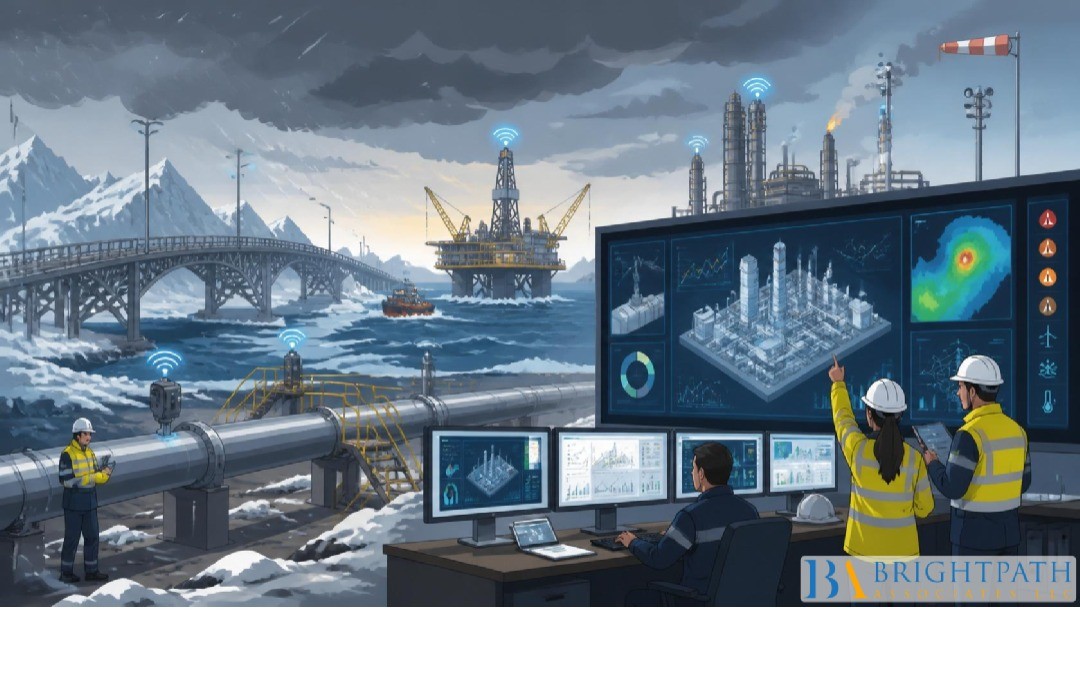
The metal and mining industry operates in some of the most demanding environments on the planet. Mining sites, processing plants, smelters, transportation networks, and heavy industrial facilities are constantly exposed to extreme temperatures, moisture, dust, vibration, corrosion, and continuous mechanical stress. These harsh conditions accelerate equipment wear, increase maintenance costs, and create operational risks that directly affect productivity and profitability. For small and mid-sized mining companies, replacing critical infrastructure is often one of the largest capital investments they face. As a result, organizations are increasingly shifting their focus from reactive maintenance to proactive asset management. Digital Asset Management (DAM) has emerged as a strategic solution that helps businesses monitor infrastructure health, optimize maintenance schedules, extend equipment life, and improve operational resilience. Industry research consistently shows that digital technologies are transforming asset-intensive industries by enabling data-driven maintenance and improving long-term infrastructure performance.
Digital Asset Management is far more than maintaining electronic records of equipment. It is a comprehensive strategy that combines asset inventories, maintenance histories, sensor data, predictive analytics, inspection reports, and operational performance into a centralized digital platform. Instead of relying on manual inspections or responding only after equipment failures occur, mining organizations gain real-time visibility into the condition of critical assets throughout their lifecycle. This enables maintenance teams to detect early warning signs of deterioration, prioritize repairs, and allocate resources more effectively. By making maintenance proactive rather than reactive, companies reduce costly downtime while maximizing the return on infrastructure investments.
One of the greatest challenges facing mining operations is the impact of environmental conditions on equipment reliability. Conveyor systems, crushers, drilling equipment, haul trucks, pipelines, processing facilities, and structural components operate under constant exposure to abrasive materials, moisture, vibration, and chemical corrosion. Even minor deterioration can lead to significant operational disruptions if left undetected. Digital monitoring technologies—including IoT sensors, condition monitoring systems, drones, and remote inspection tools—allow organizations to continuously evaluate asset health without interrupting production. Real-time monitoring enables maintenance teams to identify potential issues before they develop into costly failures, improving both equipment reliability and workplace safety.
Predictive maintenance has become one of the most valuable applications of Digital Asset Management. Traditional maintenance programs often rely on fixed inspection intervals regardless of actual equipment condition. While preventive maintenance reduces unexpected failures, it may still result in unnecessary servicing or missed warning signs. Predictive maintenance uses machine learning, artificial intelligence, and operational data to forecast when equipment is most likely to require attention. By analyzing vibration patterns, temperature fluctuations, energy consumption, pressure changes, and operational performance, digital systems recommend maintenance activities precisely when they are needed. This approach minimizes downtime, extends equipment lifespan, and reduces maintenance expenses while improving operational efficiency.
Digital Asset Management also enhances decision-making by providing leadership teams with accurate, real-time operational data. Mining companies manage thousands of interconnected assets across multiple locations, making it difficult to prioritize investments using manual reporting systems alone. Digital dashboards consolidate maintenance records, inspection findings, lifecycle costs, equipment utilization, and performance metrics into actionable insights. Executives can identify recurring maintenance issues, evaluate asset performance trends, and make informed capital planning decisions based on reliable data rather than assumptions. Better visibility into infrastructure performance supports more effective budgeting while reducing long-term operational risk.
Safety remains one of the highest priorities within the mining and metals industry, and Digital Asset Management contributes significantly to creating safer workplaces. Equipment failures in mining environments can expose employees to serious operational hazards while interrupting production and increasing regulatory risk. Continuous monitoring enables organizations to identify structural weaknesses, mechanical failures, and environmental risks before incidents occur. Automated alerts notify maintenance teams when assets exceed predefined operating thresholds, allowing corrective actions to be implemented quickly. By improving equipment reliability, businesses strengthen worker safety while supporting regulatory compliance and operational continuity.
Sustainability objectives are also driving greater adoption of digital asset management technologies. Extending the useful life of existing infrastructure reduces the need for premature equipment replacement, lowering material consumption and capital expenditures. Efficiently maintained equipment typically consumes less energy, operates more reliably, and produces fewer emissions than poorly maintained assets. Digital maintenance strategies therefore contribute not only to operational efficiency but also to Environmental, Social, and Governance (ESG) initiatives that are becoming increasingly important to investors, customers, and regulators. Companies capable of demonstrating responsible asset stewardship strengthen both their environmental performance and their long-term competitive position.
Small and mid-sized mining companies are particularly well positioned to benefit from digital asset management because they often possess greater organizational agility than larger enterprises. Cloud-based asset management platforms have significantly reduced implementation costs, making advanced monitoring technologies accessible without extensive IT infrastructure investments. Organizations can begin with high-value assets, evaluate measurable performance improvements, and expand digital capabilities as operational requirements evolve. This scalable approach allows businesses to modernize maintenance practices while maintaining financial flexibility and minimizing implementation risks.
Technology alone, however, cannot maximize infrastructure performance. Successful Digital Asset Management depends on experienced professionals capable of interpreting operational data, implementing predictive maintenance strategies, managing engineering projects, ensuring regulatory compliance, and driving continuous improvement initiatives. Mining organizations increasingly require multidisciplinary teams that combine expertise in engineering, operations, maintenance, digital technologies, environmental management, and strategic leadership. Companies seeking specialized recruitment solutions and workforce expertise for the mining sector can explore BrightPath Associates' Mining & Metals Industry to learn how strategic talent acquisition supports operational excellence and sustainable growth.
As digital transformation continues reshaping industrial operations, Digital Asset Management will become a foundational capability rather than a competitive advantage. Organizations that integrate IoT technologies, predictive analytics, artificial intelligence, and centralized maintenance platforms will be better equipped to reduce downtime, optimize asset utilization, improve workforce productivity, and strengthen long-term business resilience. Companies that continue relying solely on reactive maintenance practices may face increasing operational costs, higher equipment failure rates, and greater exposure to business disruptions as infrastructure ages.
For additional insights into strategies that help organizations improve infrastructure reliability and maximize asset performance in challenging operating environments, explore BrightPath Associates' comprehensive blog, Digital Asset Management in Harsh Environments.
Ultimately, infrastructure is one of the mining industry's most valuable long-term investments, and protecting that investment requires more than scheduled maintenance. Digital Asset Management enables organizations to transform maintenance into a strategic business function that improves operational efficiency, extends equipment life, enhances workplace safety, and supports sustainable growth.
