Developing Innovative Solutions for the Utility Sector
Author : Bria West | Published On : 24 Jun 2026
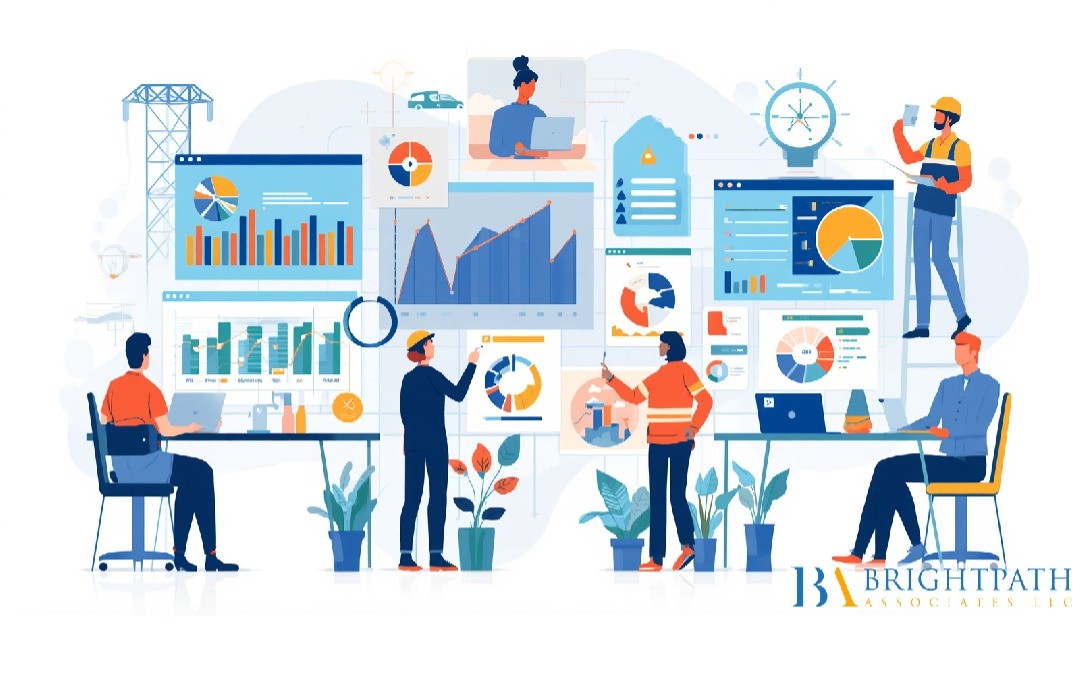
The utilities industry is entering a transformative era where innovation is no longer a competitive advantage—it is a necessity. Utility providers across the United States face growing pressure to modernize aging infrastructure, integrate renewable energy sources, enhance grid reliability, improve customer experiences, and meet increasingly stringent regulatory requirements. At the same time, rising operational costs, workforce shortages, cybersecurity threats, and changing consumer expectations are reshaping how utility organizations approach long-term growth and sustainability.
In this evolving landscape, developing innovative solutions has become essential for utility companies seeking to remain resilient and competitive. Organizations that embrace innovation are not only improving operational efficiency but also creating new opportunities to deliver greater value to customers, stakeholders, and communities. The challenge for many leaders is determining which innovations will generate meaningful results and how to successfully implement them across increasingly complex utility networks.
One of the most significant drivers of innovation within the utility sector is the modernization of infrastructure. Much of the nation's utility infrastructure was built decades ago and is now being tested by increasing demand, extreme weather events, and evolving energy consumption patterns. Modern utility organizations are investing heavily in smart grid technologies, advanced monitoring systems, and predictive maintenance tools that improve visibility into operations and reduce the likelihood of service disruptions. By leveraging real-time data and intelligent automation, utility providers can proactively identify potential issues before they escalate into costly outages.
The transition toward renewable energy is also accelerating the need for innovative solutions. As solar, wind, and other renewable energy sources become more prevalent, utilities must develop new approaches to managing energy generation and distribution. Unlike traditional power generation methods, renewable energy sources often produce variable outputs depending on environmental conditions. This variability creates challenges related to grid stability and energy storage. Innovative technologies such as battery storage systems, distributed energy resources, and advanced energy management platforms are helping utilities balance supply and demand while supporting the broader transition toward cleaner energy systems.
Digital transformation is another area where innovation is reshaping utility operations. The increasing availability of data has created opportunities for organizations to make smarter, faster decisions. Utilities now have access to information from smart meters, connected devices, customer interactions, and operational systems that can be analyzed to identify trends and improve performance. Advanced analytics and artificial intelligence are enabling utility companies to forecast demand more accurately, optimize asset utilization, improve maintenance schedules, and enhance customer service. Organizations that effectively leverage data are gaining valuable insights that support both operational excellence and strategic planning.
Customer expectations have evolved significantly in recent years, creating additional opportunities for innovation. Consumers increasingly expect the same level of convenience and transparency from utility providers that they receive from other service industries. Digital customer portals, mobile applications, automated communication systems, and personalized energy management tools are becoming important components of the modern utility experience. Companies that invest in customer-centric innovations often strengthen customer satisfaction, improve engagement, and build greater trust within the communities they serve.
Cybersecurity has emerged as another critical area requiring innovative thinking. As utility operations become increasingly connected and digitalized, organizations face growing exposure to cyber threats that can disrupt essential services and compromise sensitive information. Utility leaders must continually invest in advanced security technologies, threat detection systems, and cybersecurity frameworks designed to protect critical infrastructure. Innovation in cybersecurity is not simply about technology; it also involves developing organizational cultures that prioritize security awareness, risk management, and continuous improvement.
The workforce challenges facing the utility industry further highlight the importance of innovation. Many organizations are experiencing difficulty attracting and retaining skilled professionals, particularly as experienced workers retire and demand for technical expertise continues to increase. To address these challenges, utilities are implementing innovative workforce development strategies that include advanced training programs, digital learning platforms, knowledge transfer initiatives, and leadership development efforts. Companies that successfully invest in talent development are often better positioned to adapt to changing industry demands and maintain operational continuity.
While technology plays a central role in innovation, leadership remains one of the most important factors influencing success. Developing innovative solutions requires leaders who can navigate uncertainty, embrace change, and foster a culture of continuous improvement. Forward-thinking executives understand that innovation is not limited to technology investments. It also involves improving processes, strengthening collaboration, encouraging creativity, and empowering employees to identify new opportunities for growth and efficiency. Organizations that cultivate innovation-driven cultures are often more agile and resilient when responding to industry disruptions.
For utility leaders seeking additional insights into industry trends, workforce strategies, and operational excellence, BrightPath Associates LLC offers valuable resources through its Utilities Industry. These resources provide perspectives on the challenges and opportunities shaping the future of utility operations and leadership.
Innovation also plays a critical role in helping utility organizations achieve sustainability objectives. Environmental, social, and governance (ESG) considerations are becoming increasingly important to regulators, investors, customers, and communities. Innovative approaches to renewable energy integration, energy efficiency programs, carbon reduction initiatives, and sustainable infrastructure development can help utilities meet regulatory requirements while creating long-term value. Organizations that successfully align innovation with sustainability goals often strengthen their competitive position and enhance stakeholder confidence.
The pace of change within the utility sector shows no signs of slowing. Emerging technologies such as artificial intelligence, machine learning, digital twins, advanced energy storage systems, and autonomous monitoring solutions will continue to reshape the industry in the coming years. Utility organizations that proactively evaluate and adopt relevant innovations will be better positioned to improve reliability, reduce costs, enhance customer experiences, and support sustainable growth.
Additional perspectives on innovation strategies and emerging opportunities within the utility sector can be found in BrightPath Associates LLC's original article: Innovative Solutions for Utility Sector. The article explores how utility organizations can leverage innovation to address operational challenges and build stronger foundations for future success.
Ultimately, developing innovative solutions is about more than adopting new technologies. It is about creating organizations capable of adapting to change, solving complex problems, and delivering value in an increasingly dynamic environment. Utilities that embrace innovation as a strategic priority will be better equipped to navigate evolving regulations, changing customer expectations, workforce challenges, and market uncertainties.
