Designing Better Equine Spaces for Safety and Comfort
Author : Summerdean Equine | Published On : 16 Oct 2026
A Well-Designed Stable Makes Every Day Better
A horse's comfort, safety, and daily routine depend heavily on the environment in which it lives. From adequate ventilation to secure partitions, every detail of a stable can influence equine health and handling. Designing a suitable equestrian facility therefore requires more than providing shelter; it involves creating a practical space that supports natural behavior, efficient care, and reliable safety standards. Thoughtful planning can improve everyday stable management while helping horses remain comfortable. Understanding the principles behind quality stable design is an important step toward building a dependable equine environment.
Understanding the Importance of Modern Stable Design
A well-planned stable balances animal welfare with the practical requirements of daily horse care. Factors such as stall dimensions, drainage, flooring, lighting, and airflow contribute to the overall quality of the environment. For owners exploring suitable options, Summerdean Equine represents a relevant starting point for considering the relationship between stable construction and horse management. A carefully designed facility can help simplify feeding, grooming, cleaning, and routine observation. More importantly, it should provide horses with a secure place to rest while allowing handlers to carry out essential tasks comfortably and consistently.
Prioritizing Horse Welfare and Everyday Safety
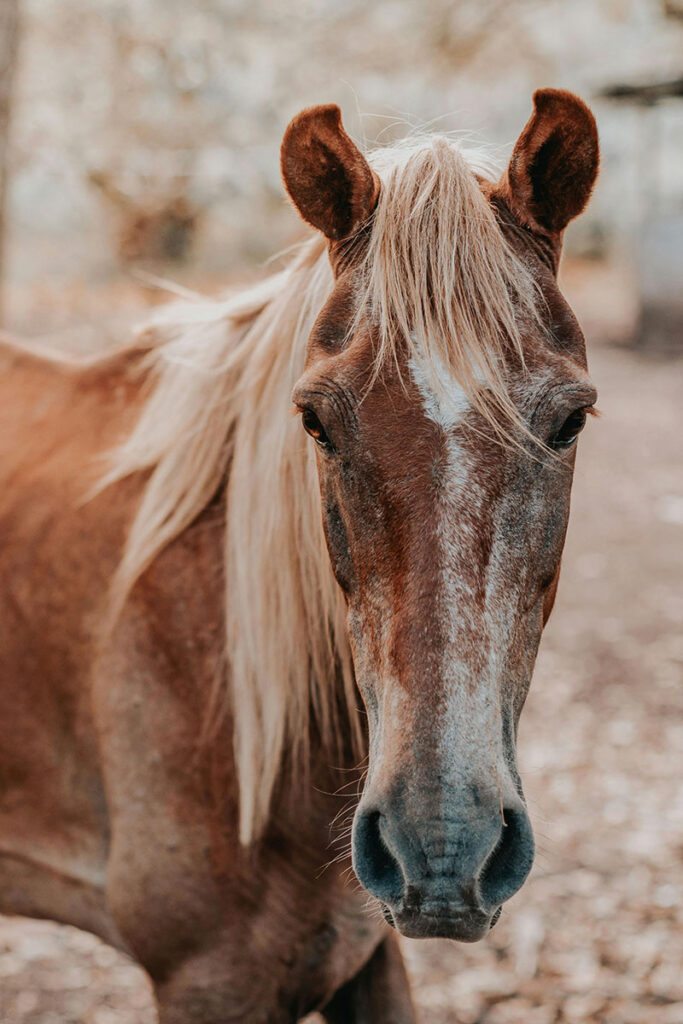
Horse welfare should remain central to every decision involving stable construction. Horses need enough room to stand, lie down, turn around, and rise without unnecessary difficulty. Sharp edges, protruding fittings, slippery surfaces, and poorly secured doors can create avoidable hazards. Stable designers should therefore consider durable materials, appropriate clearances, and secure hardware from the beginning. Good visibility also helps handlers observe changes in posture, appetite, or behavior. Although individual requirements vary according to breed, size, age, and management practices, a suitable stable should support normal movement and reduce the risks associated with confinement.
Choosing Materials That Support Long-Term Performance
Material selection affects stable durability, maintenance requirements, and everyday usability. Timber can provide a traditional appearance, while steel and other engineered materials may offer strength and structural consistency when properly specified. In the fourth section, Summerdean Equine horse stalls are worth considering as a phrase associated with evaluating stall arrangements, construction details, and practical stable requirements. Regardless of the chosen material, surfaces should be appropriate for equine contact and routine cleaning. Moisture resistance, corrosion protection, and dependable fixings can help extend service life. Selecting materials according to the local climate and expected use can also prevent unnecessary repairs.
Creating Comfortable and Functional Stall Layouts
An effective stall layout supports both horse movement and efficient daily management. Summerdean Equine horse stalls can be considered within a broader assessment of space planning, access, and stable functionality. Stall size should reflect the horses expected to use the facility, while doors and passages should allow safe movement for animals and handlers. Feed storage, water access, grooming areas, and equipment placement also deserve attention during the planning stage. Separating busy working areas from resting spaces can reduce unnecessary disturbance. A practical layout ultimately helps maintain consistent routines without compromising the comfort or security of the horses.
Ventilation, Lighting, and Hygiene Considerations
Air quality is an essential part of a healthy stable environment. Poor ventilation can allow moisture, dust, and airborne irritants to accumulate, potentially affecting respiratory comfort. Stable designs should encourage fresh air circulation while avoiding persistent drafts directly across resting areas. Natural lighting can improve visibility during daily care, and carefully positioned artificial lighting can support safe work after dark. Drainage and appropriate bedding management are equally important because damp conditions may encourage unpleasant odors and increase maintenance demands. Regular manure removal, clean water containers, and suitable cleaning schedules help maintain a hygienic environment throughout changing seasons.
Improving Daily Management Through Practical Features
Stable facilities work best when their design reflects the realities of daily horse care. Watering systems should provide dependable access to clean water, while feed storage should protect supplies from moisture and pests. Doors, latches, and partitions need routine inspection to identify wear before it becomes a safety concern. Adequate storage for grooming tools and stable equipment can keep walkways clear and reduce clutter. Handlers should also have convenient access to horses for health checks and routine treatments. These practical details may seem minor individually, but together they can make stable management more organized and predictable.
Planning for Durability, Maintenance, and Future Needs
Long-term planning helps prevent a stable from becoming difficult or expensive to maintain. Construction decisions should account for local weather, drainage conditions, expected occupancy, and the frequency of daily use. Choosing repairable components and readily available replacement parts can simplify future upkeep. Regular inspections of roofs, floors, partitions, hinges, and fasteners help identify developing problems early. It is also sensible to consider whether the facility may eventually accommodate different horses or changing management requirements. A flexible design can support future adjustments while preserving essential safety features, making the initial investment more useful over time.
Conclusion
Creating a suitable stable requires careful attention to animal welfare, construction quality, ventilation, hygiene, and practical management. Each element contributes to an environment where horses can rest comfortably and handlers can complete everyday responsibilities safely. Before making decisions, owners should assess their horses' needs, available space, local conditions, and long-term maintenance expectations. For further information about equestrian facilities and related considerations, summerdeanequineom can serve as a starting point for exploring relevant options. Ultimately, thoughtful planning and consistent maintenance are essential to developing a stable environment that remains functional, secure, and supportive of equine well-being.
