Dentist for Wisdom Tooth Extraction: What to Expect Before and After Treatment
Author : Peak Family Dental | Published On : 03 Nov 2026
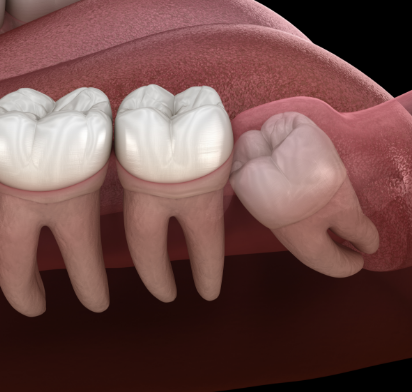
Wisdom teeth are the last molars to develop, usually appearing between the late teens and mid-twenties. While some people experience no problems with these teeth, others may develop pain, swelling, infection, or difficulty keeping the area clean.
If you are experiencing discomfort at the back of your mouth, visiting a qualified wisdom teeth dentist can help you understand what is causing the problem and whether treatment is necessary. At Peak Family Dental Centre in Cranbrook, patients can receive a dental assessment and personalized guidance based on their oral health needs.
Knowing when wisdom teeth may need removal, how the extraction process works, and what to expect during recovery can help you feel more confident before your appointment.
What Are Wisdom Teeth?
Wisdom teeth are the third molars located at the back of the upper and lower jaws. They commonly emerge between the ages of 17 and 25, although the timing varies from person to person.
Some wisdom teeth grow normally and remain healthy. Others may not have enough room to emerge fully, causing them to become impacted or partially covered by gum tissue.
Common wisdom tooth problems include:
-
Pain or tenderness at the back of the mouth
-
Swollen, red, or irritated gums
-
Food getting trapped around partially erupted teeth
-
Difficulty cleaning the area properly
-
Infection around the affected tooth
-
Pressure on neighbouring teeth
-
Tooth decay or gum problems affecting nearby molars
Not every wisdom tooth requires removal. A dental examination and X-rays, when appropriate, can help determine whether extraction or regular monitoring is the best option.
When Should You Visit a Dentist for Wisdom Tooth Extraction?
Persistent discomfort or changes around your wisdom teeth should not be ignored. A dentist for wisdom tooth extraction can examine the affected area, assess the position of the teeth, and recommend suitable treatment.
Persistent Pain or Discomfort
Wisdom tooth pain may develop as the teeth emerge or when they become impacted. You might experience mild tenderness, pressure, or discomfort that makes eating and sleeping difficult.
If the pain continues, returns frequently, or becomes more severe, arrange a dental appointment to identify the underlying cause.
Swollen or Inflamed Gums
A partially erupted wisdom tooth can leave a flap of gum tissue where food particles and bacteria collect. This may lead to inflammation or an infection around the tooth.
Possible symptoms include gum redness, tenderness, swelling, an unpleasant taste, or difficulty opening your mouth. A dentist can assess these symptoms and recommend appropriate care.
Impacted Wisdom Teeth
An impacted wisdom tooth cannot fully emerge because of limited space, its angle, or an obstruction. It may remain beneath the gums or grow sideways against another tooth.
Some impacted wisdom teeth do not cause immediate symptoms. However, others may contribute to recurring infections, cysts, or damage to neighbouring teeth. Your dentist can assess the risks and explain whether removal is advisable.
Problems Affecting Nearby Teeth
Wisdom teeth can sometimes make brushing and flossing difficult, increasing the risk of decay and gum problems. Teeth positioned against neighbouring molars may also contribute to damage in the surrounding area.
A professional examination can help identify these issues and determine whether treatment is needed.
What Happens During Wisdom Teeth Extraction?
Wisdom teeth extraction involves removing one or more third molars when a dentist determines that removal is appropriate. The procedure depends on whether the tooth has fully emerged, its position, and the complexity of the extraction.
1. Dental Examination and X-Rays
Your dentist will review your symptoms, examine your mouth, and assess the condition of your wisdom teeth. X-rays may be recommended to evaluate the teeth's position, root structure, and relationship to nearby teeth and anatomical structures.
This information helps your dentist plan the procedure and explain the available treatment options.
2. Discussing Anesthesia and Comfort
The anesthesia or sedation options depend on the complexity of the procedure, your medical history, and the dental setting. Local anesthesia is commonly used to numb the area, while additional sedation may be considered when appropriate.
Before treatment, your dentist will explain the available options, what you may experience during the procedure, and whether any special preparation is needed.
3. Removing the Wisdom Tooth
A wisdom tooth that has fully erupted may be removed through a straightforward extraction. If the tooth is impacted, the dentist may need to make a small incision in the gum. In some cases, a small amount of bone may need to be removed or the tooth may be divided into sections to facilitate removal.
The exact approach depends on your individual dental condition and the position of the tooth.
4. Receiving Aftercare Instructions
After the extraction, your dental team will explain how to care for the area while it heals. Instructions may include controlling bleeding, managing discomfort, maintaining oral hygiene, choosing suitable foods, and limiting strenuous activities.
Following these recommendations can support healing and help reduce the risk of complications.
What to Expect During Recovery After Wisdom Teeth Removal
Recovery time varies according to the complexity of the extraction and your individual healing process. Swelling, tenderness, and mild bleeding may occur during the initial recovery period.
Many patients begin feeling better within several days, although complete healing takes longer. Following your dentist's aftercare instructions can help make recovery more comfortable.
Manage Swelling and Discomfort
Your dentist may recommend applying an ice pack during the early recovery period and provide guidance on suitable pain relief. Use medications only as directed by your dental professional or according to the product instructions.
Contact your dentist if pain or swelling becomes significantly worse rather than gradually improving.
Eat Soft Foods
Soft foods are generally easier to eat during the first few days after extraction. Depending on your comfort, suitable choices may include yogurt, scrambled eggs, mashed potatoes, and lukewarm soup.
Avoid hard, crunchy, very hot, or sticky foods that could irritate the extraction site. Follow your dentist's advice about when to return to your normal diet.
Maintain Good Oral Hygiene
Keeping your mouth clean helps support healing. Brush carefully around the extraction site and follow your dentist's instructions about rinsing.
Avoid vigorous rinsing or forceful spitting during the early recovery period because these actions may disturb the blood clot that forms in the socket. Smoking and vaping should also be avoided while healing, as they can increase the risk of complications.
Rest and Limit Strenuous Activity
Give yourself time to rest after the procedure. Avoid strenuous exercise for the period recommended by your dentist, then gradually return to your usual activities as you recover.
If sedation is used, follow all instructions about driving, supervision, and other post-treatment restrictions.
Recognize Possible Complications
Contact your dental office if you experience persistent bleeding, worsening pain, increasing swelling, fever, or other signs of infection.
Dry socket is another possible complication. It occurs when the protective blood clot at the extraction site is lost or breaks down too early, potentially causing significant pain and requiring professional treatment.
Seek emergency medical care if severe or rapidly increasing swelling affects your breathing or swallowing.
Do All Wisdom Teeth Need to Be Removed?
No. Wisdom teeth do not automatically need to be removed simply because they are present.
If a wisdom tooth is healthy, fully erupted, easy to clean, and not damaging nearby teeth, your dentist may recommend monitoring it instead of extracting it.
Removal may be considered when wisdom teeth cause recurring infections, significant decay, damage to adjacent teeth, certain cysts, or other dental problems. Your dentist will assess the potential benefits and risks before recommending treatment.
Regular dental check-ups can help identify changes in wisdom teeth and determine whether treatment is necessary.
How to Choose the Right Wisdom Teeth Dentist in Cranbrook
Finding a suitable dental provider can help you understand your treatment options and feel more comfortable throughout the process.
When choosing a wisdom teeth dentist, consider the following factors:
Experience with extractions: Ask about the dentist's experience treating routine and impacted wisdom teeth.
Clear explanations: Your dentist should explain the examination findings, why extraction may be recommended, and whether alternative options are available.
Anesthesia and comfort options: Discuss the pain management, anesthesia, and sedation options that may be appropriate for your circumstances.
Personalized aftercare: Look for a dental practice that provides clear recovery instructions and explains whom to contact if concerns arise after treatment.
Convenient local care: Choosing a clinic in your area can make consultations and follow-up appointments easier to manage.
Peak Family Dental Centre provides wisdom teeth extraction as part of its general dentistry services in Cranbrook, British Columbia.
Wisdom Teeth Extraction at Peak Family Dental Centre
Peak Family Dental Centre offers general dental services to help patients maintain their oral health and address dental concerns. If you are experiencing wisdom tooth pain or have been advised to consider extraction, the dental team can assess your situation and discuss suitable treatment options.
Your dentist can evaluate your symptoms, examine your teeth, and recommend imaging when needed. Based on these findings, they can explain whether monitoring or removal is appropriate and provide guidance on preparing for treatment and recovering afterward.
