Dental Fear and Single Sitting Root Canal in Vijayawada
Author : alannah gair | Published On : 23 Nov 2026
Ask around, and you will meet many people who fear the dental chair more than they fear the toothache. It is not always the pain itself. It is the waiting, the sounds and the worry about what comes next.
For these people, a single sitting root canal in Vijayawada can sound like a relief, since it means facing the chair once instead of several times.
But fewer visits are only part of the answer. This blog explains why dental fear happens and what actually makes treatment easier.
Where Dental Fear Comes From
People rarely fear the dentist without a reason. A painful childhood visit, a story from a relative or a bad experience years ago can stay in memory for a long time.
Common Triggers
- The sound of the drill
- Lying back under a bright light
- Needles near the mouth
- Fear of gagging or choking
- Feeling unable to speak or stop the dentist
None of these are silly. They are normal reactions, and a caring dentist hears them every day.
Why Fear Makes Pain Feel Worse
When you are tense, your body treats every sensation as a threat. Muscles tighten, breathing turns shallow and the same touch can feel sharper. Calm patients often report less discomfort than tense ones, even when the treatment is the same.
What Really Happens During a Root Canal
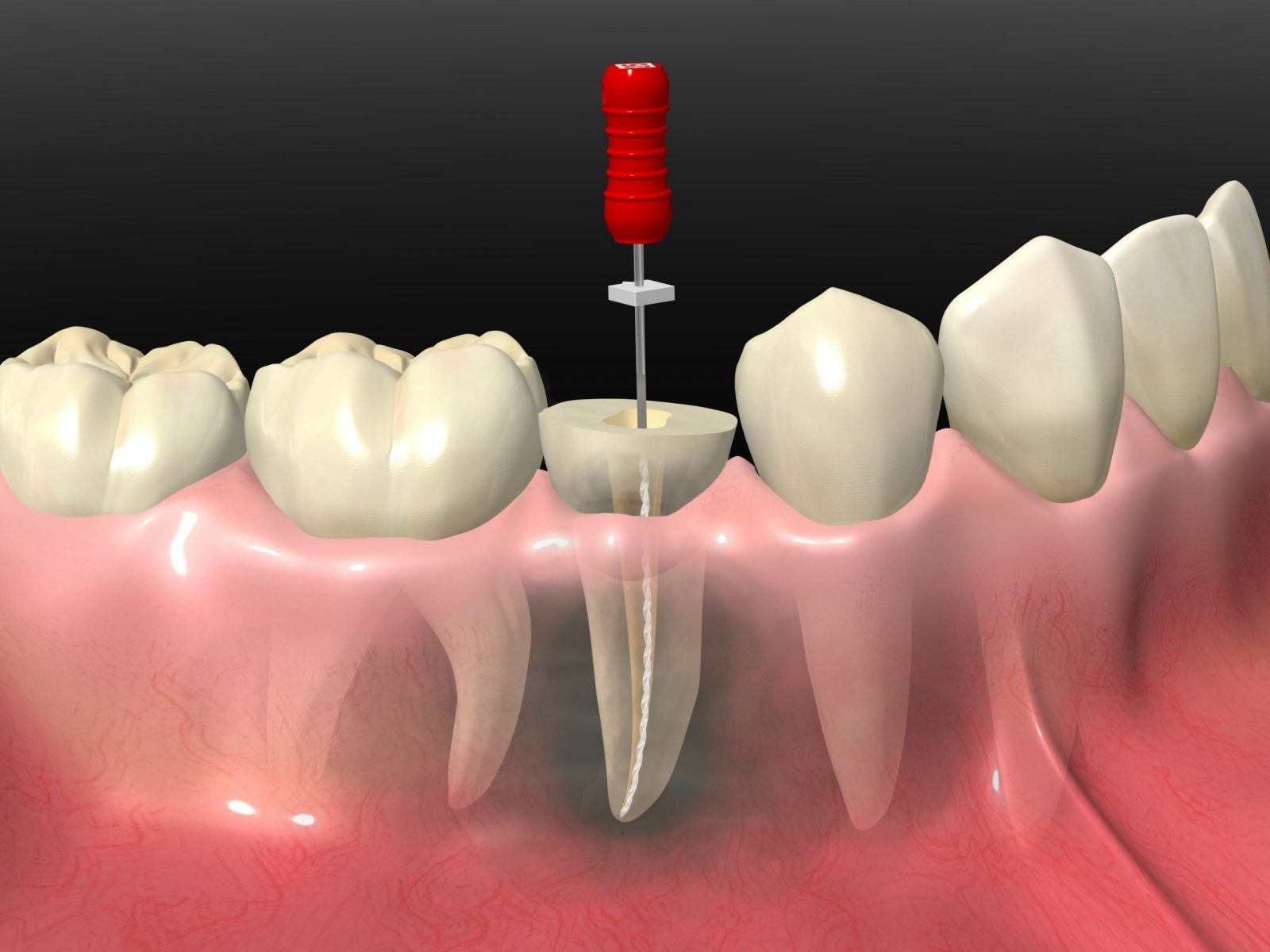
A lot of fear comes from not knowing. Here is the plain version. The dentist numbs the area using local anaesthesia, often after applying a numbing gel so the injection is barely felt. Then the infected tissue inside the tooth is cleaned out and the space is sealed. You will feel pressure and vibration, but pain should not be part of it. If it is, you can and should say so.
Most of the discomfort people remember comes from the tooth nerve infection itself, before treatment. Removing the infected pulp is usually what brings relief.
Does One Visit Help Anxious Patients?
For some, yes. Doing everything in one go means fewer trips, fewer nights of worry and no temporary filling to fret about. For others, a long appointment can be more tiring than two short ones. Neither choice is wrong. The right plan depends on the tooth, the infection and how comfortable you feel sitting for longer.
When Shorter, Separate Visits May Suit You
- You get tired or tense if you stay still for long
- The infection is deep or has caused swelling
- The tooth has curved or blocked canals
- You prefer to rest between steps
Be honest with your dentist. Plans work better when they fit the patient, not only the tooth.
Simple Ways to Stay Calm in the Chair
You are not powerless. A few small habits can make a real difference.
- Eat a light meal beforehand, since an empty stomach makes nerves worse
- Breathe slowly: in through the nose, out through the mouth
- Agree on a hand signal to pause at any time
- Wear earphones if the clinic allows it
- Pick a time of day when you feel most relaxed
Many people find a later visit much calmer, simply because they know what to expect.
Questions to Ask Before Starting
- Will you explain each step before doing it?
- Can we stop if I need a break?
- Is numbing gel used before the injection?
- Are mild calming options available for very anxious patients?
Choosing a Setting That Feels Safe
The best root canal treatment for an anxious person is rarely the fastest one. It is the one where the dentist listens, explains and never rushes you. Look for a calm room, a patient team and clear answers to your questions. A good dentist will not laugh at your fear or promise that nothing will ever feel uncomfortable.
For Anxious Teenagers and Elderly Family Members
Patience matters most. Let the patient speak first, share the plan in simple language and avoid pushing. For older family members, mention any medicines they take and ask for shorter, well-spaced visits if needed.
After the Treatment
Mild soreness for a few days is common. Soft food like khichdi, curd rice or idli is gentle on the tooth. Take medicines exactly as prescribed and brush gently. A dental crown is often advised for back teeth, so do not skip that appointment. If swelling or severe pain appears, call your dentist. Rest for the remaining day if you can, and avoid chewing on the treated side until the final filling or crown is ready.
Turning Fear Into a Plan
Fear shrinks when it has a plan behind it. Write down your questions, tell the dentist about your worries and pick a place where you feel heard.
Choosing a trusted dental clinic in Vijayawada matters less for its size than for how patiently its team treats you, answers your doubts and explains every step before it starts.
FAQs
Is a root canal as painful as people say?
With local anaesthesia, most people feel pressure, not sharp pain. The toothache before treatment is usually worse.
Can I bring someone with me?
Yes, in most cases. Ask in advance, since some treatment rooms have limited space.
What if I panic during the procedure?
Use your hand signal. A good dentist will pause, let you breathe and continue only when you are ready.
Should I eat before the appointment?
A light meal is usually fine. Avoid eating again until the numbness wears off, so you do not bite your cheek.
How long does the numbness last?
Usually a few hours. Avoid hot drinks and hard food until feeling returns.
Will I need a crown afterwards?
Back teeth often do, because treated teeth can turn brittle. Your dentist will advise after checking the tooth.
Conclusion
Fear of the dentist is common and nothing to be ashamed of. With clear information, a patient team and a plan that suits you, treatment can feel far more manageable. Speak up, ask questions and take the next step at your own pace.
Source: How to Judge the Best Root Canal Treatment in Vijayawada
