Delivery Industry: Trends and Opportunities for Growth
Author : Jessica Hall | Published On : 11 Jun 2026
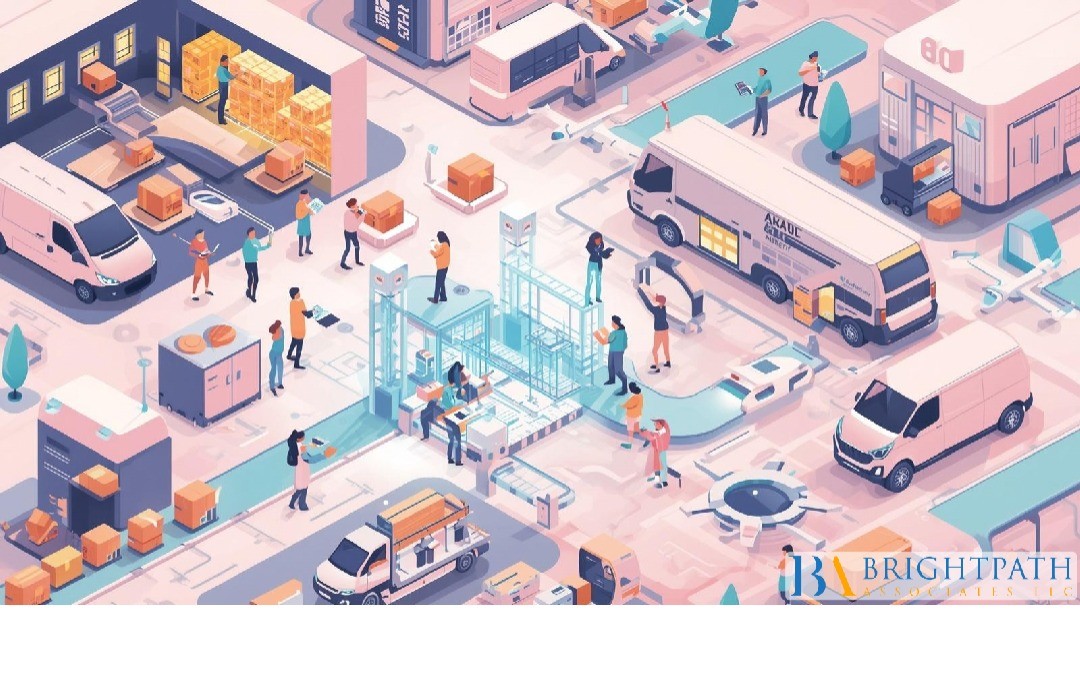
The delivery industry has never been more essential—or more demanding. What was once considered a supporting function within the broader supply chain has evolved into one of the most visible drivers of customer satisfaction, brand loyalty, and competitive advantage. Today's consumers don't simply expect deliveries; they expect them to be faster, more transparent, flexible, and sustainable.
For leaders across the packaging and freight industry, this shift presents both an extraordinary opportunity and a significant challenge. The organizations that thrive in this rapidly changing environment will not necessarily be those with the largest fleets or the widest networks. Instead, success will belong to those capable of anticipating emerging trends, embracing innovation, and building agile organizations prepared for continuous transformation.
Over the past decade, digital commerce has fundamentally altered consumer expectations. Two-day shipping has evolved into same-day fulfillment, and in some markets, even hour-based delivery windows are becoming standard. Customers increasingly evaluate brands not only by product quality and price but also by the delivery experience itself. As convenience becomes a key differentiator, delivery providers face mounting pressure to improve speed without compromising reliability or profitability.
Traditionally, the final leg of the delivery journey represented a straightforward operational process. Today, it is often the most expensive, complex, and customer-facing aspect of the supply chain. Urban congestion, rising labor costs, failed delivery attempts, and increasing service expectations continue to challenge providers seeking efficiency.
According to industry analysis, the last-mile segment is experiencing rapid expansion, fueled by growing demand for on-demand services and evolving consumer behaviors. Simultaneously, businesses must navigate rising costs, labor shortages, and increasing expectations for visibility and convenience. These factors are reshaping how organizations approach logistics strategy and operational execution.
Artificial intelligence, predictive analytics, route optimization platforms, warehouse automation, and real-time tracking capabilities are transforming delivery operations. Organizations can now leverage data to forecast demand fluctuations, identify inefficiencies, optimize driver schedules, and improve delivery accuracy. Rather than reacting to disruptions, companies are increasingly adopting proactive approaches that enhance resilience and customer responsiveness.
Route optimization, for example, delivers benefits that extend beyond cost reduction. Intelligent systems help reduce fuel consumption, improve asset utilization, minimize delays, and increase driver productivity. The cumulative impact translates into stronger margins and improved customer experiences. Sorting technologies, robotics within fulfillment centers, autonomous delivery experimentation, and drone initiatives are gaining momentum across the sector. Major organizations continue exploring innovative models designed to reduce transit times while improving scalability.
Recent developments demonstrate how quickly the competitive landscape is evolving. Retail and logistics organizations are expanding investments in alternative delivery models, including drone-based fulfillment, to address consumer demands for speed and convenience. These initiatives highlight the growing willingness of industry leaders to rethink traditional delivery frameworks.
One of the industry's most pressing concerns remains workforce availability. Driver shortages, warehouse staffing constraints, and increasing competition for logistics talent continue affecting operational performance throughout the United States. At the same time, technological transformation requires employees capable of adapting to digital environments and evolving responsibilities.
Emerging research suggests that while automation may reduce reliance on repetitive manual tasks, it simultaneously creates demand for new capabilities centered around technology management, data interpretation, systems oversight, and strategic decision-making. Future logistics professionals will increasingly require adaptability, digital literacy, and collaborative problem-solving skills. Organizations that prioritize workforce development will likely possess a significant competitive advantage.
Investments in upskilling initiatives, mentorship programs, leadership development, and succession planning can strengthen employee engagement while preparing teams for future operational demands. Employees who recognize opportunities for advancement are often more committed to organizational success.
Consumers, investors, regulators, and business partners increasingly expect organizations to minimize environmental impact. Delivery providers therefore face pressure to balance speed and convenience with responsible operations. Electric delivery fleets, alternative fuels, eco-friendly packaging solutions, optimized delivery routes, and consolidated shipment strategies are becoming more common. Sustainability is no longer viewed exclusively as a compliance obligation or public relations initiative.
Today's consumers seek visibility throughout the delivery journey. Real-time updates, flexible scheduling options, personalized delivery preferences, and seamless communication have become baseline expectations rather than premium services. Organizations capable of delivering transparency foster trust and strengthen customer relationships.
Meanwhile, partnerships and ecosystem collaboration are creating new opportunities for growth. Strategic alliances among retailers, logistics providers, technology firms, local businesses, and fulfillment partners enable organizations to expand capabilities while sharing resources and reducing complexity. Collaborative approaches often accelerate innovation and improve responsiveness within highly competitive markets.
For small and mid-sized enterprises especially, these partnerships can unlock access to technologies and expertise that might otherwise remain unattainable. Leadership capability ultimately determines whether organizations successfully capitalize on these opportunities. The delivery industry increasingly requires executives who can balance operational discipline with innovation. Leaders must navigate workforce challenges, technology investments, customer expectations, and shifting market dynamics simultaneously.
They must possess both strategic vision and practical execution capabilities. For many organizations, identifying leaders with this unique combination of expertise presents an ongoing challenge. BrightPath Associates supports organizations within the Packaging and Freight Industry by helping small and mid-sized enterprises identify leadership talent capable of driving transformation, strengthening operational performance, and positioning businesses for sustainable growth.
Ultimately, the future of the delivery industry extends far beyond moving products from one location to another. It is about creating experiences that inspire customer confidence, building resilient networks capable of adapting to disruption, and fostering workforces equipped to navigate continual change. The organizations that embrace innovation thoughtfully, invest in their people, and remain attentive to evolving market expectations will be best positioned to thrive in an increasingly complex environment.
For readers interested in exploring additional perspectives on this topic, BrightPath Associates' original article, Delivery Industry Trends and Opportunities for Growth offers further insights into the forces reshaping modern delivery operations and the strategies organizations can adopt to remain competitive. As your organization looks toward the future, consider these questions: Is your delivery strategy built for yesterday's expectations or tomorrow's realities? Are you investing sufficiently in both technology and talent? And how prepared is your leadership team to transform disruption into opportunity?
We invite you to share your thoughts and experiences in the comments below. Which trends are having the greatest impact on your organization today? What opportunities do you believe will define the next era of delivery excellence? The conversations we begin now may shape the strategies and leadership decisions that determine tomorrow's competitive advantage.
