Decentralized Textile Future: Redefining Manufacturing and Distribution
Author : Ayesha Diaz | Published On : 03 Jun 2026
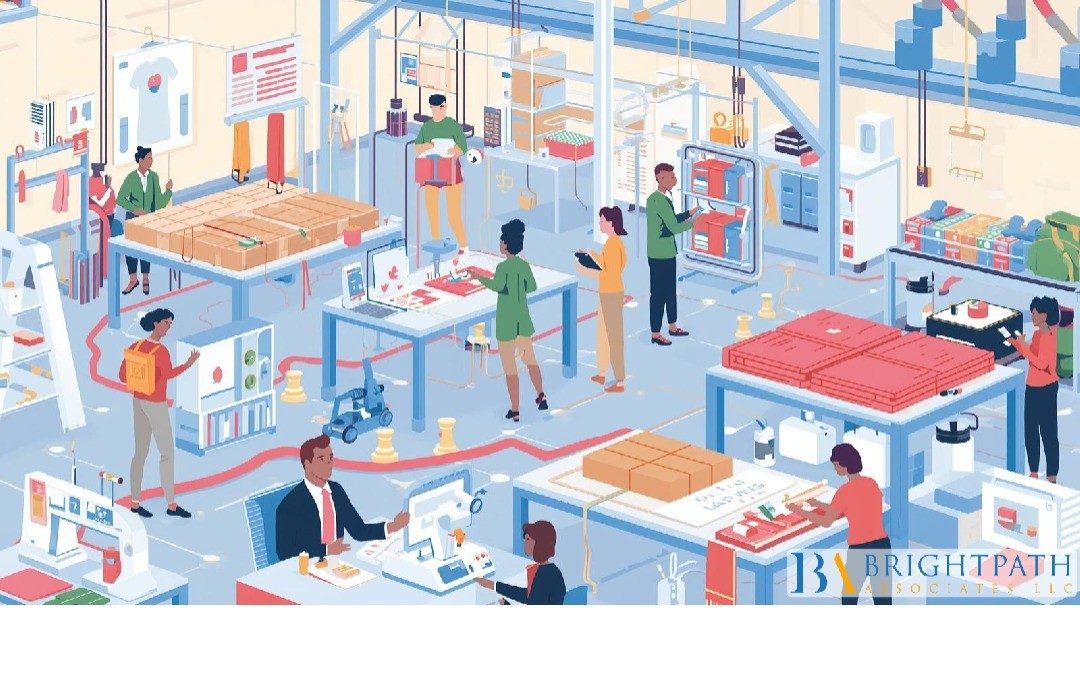
The textile industry is entering a transformative era. For decades, textile manufacturing has relied on centralized production hubs, extensive global supply chains, and large-scale manufacturing facilities designed to maximize economies of scale. While this model has enabled significant growth, recent disruptions—from supply chain bottlenecks and geopolitical uncertainty to shifting consumer expectations and sustainability pressures—have exposed its vulnerabilities.
As a result, forward-thinking textile companies are exploring a new paradigm: decentralized manufacturing and distribution. This emerging approach is reshaping how textiles are produced, distributed, and delivered to customers. Rather than concentrating operations within a handful of manufacturing centers, decentralized systems distribute production capabilities across multiple locations, enabling greater agility, resilience, and responsiveness to market demands.
For executives seeking to understand the broader forces driving this transformation, the Textile Industry continues to evolve rapidly as digital technologies, sustainability initiatives, and consumer expectations reshape competitive dynamics. The future may belong to organizations capable of balancing global reach with localized execution.
Why the Traditional Model Is Under Pressure
For many years, centralized manufacturing offered significant advantages, including lower production costs, streamlined operations, and access to large labor markets. However, recent events have demonstrated the risks associated with relying heavily on concentrated production networks.
Global supply chain disruptions revealed how quickly transportation delays, raw material shortages, and geopolitical events can impact production schedules and customer fulfillment. At the same time, consumers increasingly expect faster delivery times, greater product customization, and more sustainable business practices.
These evolving demands are forcing textile manufacturers to rethink traditional operating models. Companies can no longer rely solely on efficiency-driven production strategies. Instead, they must develop systems capable of responding quickly to changing market conditions while maintaining operational excellence and cost competitiveness.
The Rise of Decentralized Manufacturing
Decentralized manufacturing represents a significant departure from conventional production models. Rather than producing all goods in a single location, companies establish smaller, strategically positioned production facilities closer to key markets.
This approach offers several advantages. Localized manufacturing can reduce transportation costs, shorten lead times, and improve responsiveness to customer preferences. It also helps organizations mitigate risks associated with supply chain disruptions by diversifying production capabilities across multiple regions.
Advancements in automation, artificial intelligence, digital manufacturing technologies, and connected production systems are making decentralized operations increasingly viable. Smart factories equipped with real-time monitoring capabilities can maintain consistent quality standards across distributed facilities while providing executives with greater visibility into operations. Digital transformation initiatives are already helping textile companies improve supply chain visibility, operational efficiency, and responsiveness to market changes.
Technology as the Foundation of Decentralization
The success of decentralized manufacturing depends heavily on technology. Without digital connectivity and intelligent systems, managing multiple production locations would be significantly more complex.
Technologies such as the Internet of Things (IoT), cloud computing, artificial intelligence, advanced analytics, and blockchain are enabling organizations to coordinate decentralized operations with unprecedented efficiency. Connected manufacturing environments provide real-time insights into production performance, inventory levels, equipment health, and customer demand.
Blockchain technology, in particular, offers valuable opportunities for improving transparency and traceability across decentralized textile networks. By creating secure and verifiable records throughout the supply chain, organizations can strengthen trust among customers, suppliers, and regulatory stakeholders. Textile companies are increasingly exploring blockchain applications to improve supply chain visibility and ensure greater accountability throughout production processes.
As digital technologies continue to mature, decentralized manufacturing is becoming not only operationally feasible but strategically advantageous.
Sustainability and Localized Production
Sustainability is another major driver behind the shift toward decentralized textile manufacturing. Traditional global supply chains often involve extensive transportation networks that contribute significantly to carbon emissions and environmental impact.
Localized production models can reduce transportation distances, minimize inventory waste, and improve resource utilization. Companies can also respond more effectively to regional sustainability regulations and consumer preferences by producing goods closer to end markets.
Furthermore, decentralized operations enable manufacturers to adopt more flexible production methods that align with circular economy principles. Smaller production runs, on-demand manufacturing, and localized sourcing strategies can reduce overproduction while supporting more sustainable business practices.
Industry initiatives focused on sustainable textile manufacturing are increasingly demonstrating how innovation, operational efficiency, and environmental responsibility can coexist within modern production environments.
Workforce Implications and Leadership Challenges
While technology plays a critical role in enabling decentralized manufacturing, people remain at the center of successful transformation initiatives. The shift toward distributed production models requires leaders who can manage complexity, drive digital transformation, and build agile organizational cultures. Companies increasingly need executives with expertise in supply chain management, advanced manufacturing technologies, sustainability initiatives, and operational strategy.
Attracting and retaining this talent has become a significant competitive challenge. Organizations that successfully align workforce strategies with technological investments will be better positioned to realize the full benefits of decentralized operations.
The future textile workforce will likely require a combination of technical expertise, analytical capabilities, and leadership skills capable of navigating increasingly dynamic business environments.
Building a Resilient Competitive Advantage
The move toward decentralized manufacturing is not simply about reducing risk or improving efficiency. It represents a broader shift toward resilience, adaptability, and customer-centric operations.
Organizations that embrace decentralized production models can strengthen supply chain flexibility, improve sustainability performance, accelerate innovation, and respond more effectively to changing market conditions. These capabilities are becoming increasingly important as competition intensifies and customer expectations continue to evolve.
Companies that wait too long to explore these opportunities may find themselves at a disadvantage compared to more agile competitors that have already begun transforming their operating models.
For additional insights into this evolving trend, readers can explore The Decentralized Textile Future: Redefining Manufacturing, which examines how distributed production networks are reshaping the future of textile manufacturing.
