Decarbonizing Oil and Gas Sector: Pathways to Net-Zero
Author : Daniel Sparks | Published On : 17 Mar 2026
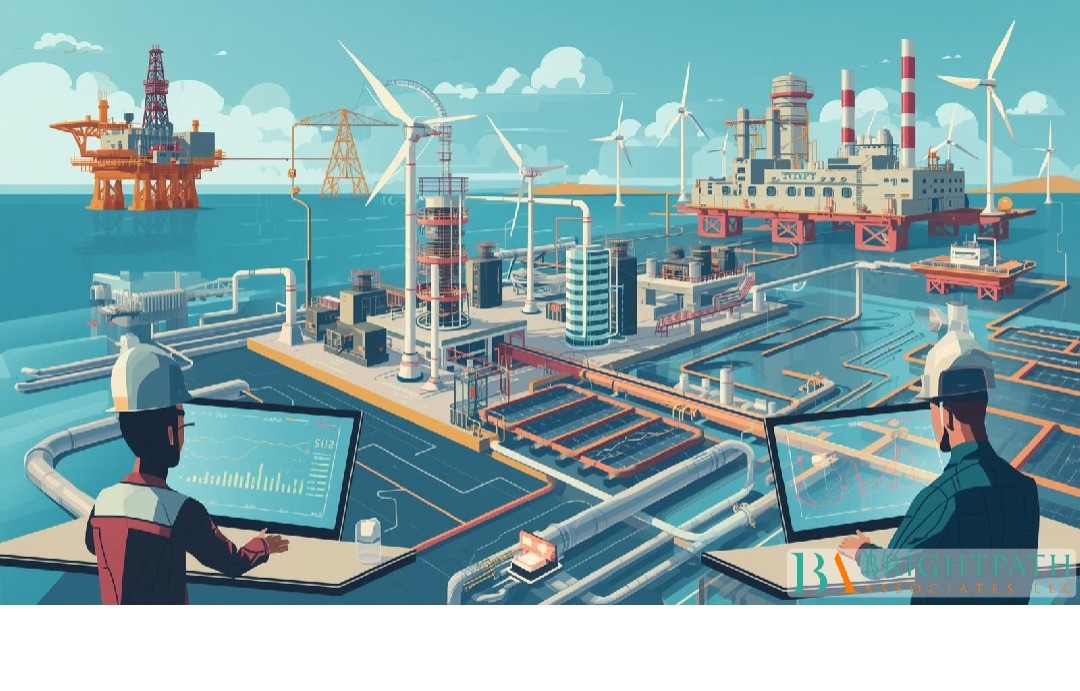
The global push toward net-zero emissions is redefining the future of the oil and gas industry. Once viewed as one of the largest contributors to greenhouse gas emissions, the sector is now under increasing pressure—from regulators, investors, and society—to transform its operations.
Why Decarbonization Is No Longer Optional
Oil and gas operations are responsible for a significant share of global emissions, particularly from methane leaks, flaring, and energy-intensive processes. Industry-wide initiatives now aim for:
-
Net-zero operational emissions by 2050
-
Near-zero methane emissions by 2030
-
Significant reductions in flaring and energy waste
Key Pathways to Net Zero in Oil & Gas
1. Tackling Methane Emissions: The Fastest Win
Methane is one of the most potent greenhouse gases—and one of the most addressable. Reducing methane emissions through leak detection, monitoring systems, and improved operational practices is considered the single most impactful short-term strategy for lowering emissions. Leading organizations are already deploying:
-
Leak Detection and Repair (LDAR) programs
-
Drone and satellite monitoring
-
Advanced sensor technologies
These measures deliver immediate environmental and financial benefits.
2. Eliminating Routine Flaring
Flaring—burning excess gas during production—has long been a standard industry practice. However, it is also a major source of emissions. Global initiatives now emphasize:
-
Zero routine flaring by 2030
-
Improved gas capture and utilization
Reducing flaring not only lowers emissions but also improves resource efficiency—turning waste into value.
3. Electrification of Upstream Operations
One of the most transformative strategies is electrifying oil and gas operations using low-carbon energy sources. Studies show that electrification can reduce production emissions by over 80% in certain regions. This involves:
-
Replacing diesel-powered equipment with electric alternatives
-
Integrating renewable energy into operations
-
Utilizing low-carbon power grids
Electrification bridges the gap between traditional operations and a low-carbon future.
4. Carbon Capture, Utilization, and Storage (CCUS)
CCUS is emerging as a critical technology for decarbonizing hard-to-abate sectors like oil and gas. It enables companies to:
-
Capture CO₂ emissions at the source
-
Store them underground or reuse them
-
Reduce overall carbon intensity
While challenges around cost and scalability remain, CCUS is expected to play a complementary role in achieving net-zero goals.
5. Energy Efficiency and Operational Optimization
Improving energy efficiency is one of the most cost-effective decarbonization strategies. Companies are investing in:
-
Process optimization
-
Waste heat recovery
-
AI-driven energy management systems
For example, targeted efficiency initiatives have already resulted in millions of tons of emission reductions and significant cost savings across major operators.
Business Case for Decarbonization
Decarbonization is often viewed through a sustainability lens—but its business impact is equally significant. Organizations that embrace it gain:
-
Improved operational efficiency
-
Reduced long-term costs
-
Enhanced investor confidence
-
Stronger brand positioning
In fact, energy companies that integrate decarbonization into their core strategy are better positioned to navigate market volatility and regulatory changes.
Leadership: The Catalyst for Energy Transition
Technology enables transformation—but leadership drives it. Successful decarbonization depends on leaders who can:
-
Balance sustainability with profitability
-
Drive innovation across operations
-
Build agile, future-ready organizations
As the industry evolves, leadership becomes the defining factor between companies that adapt—and those that fall behind. To explore deeper insights into how decarbonization is reshaping the sector, read the full analysis here: Decarbonizing Oil and Gas Sector.
Industry Outlook: Oil & Gas at a Crossroads
The oil and gas industry is entering a pivotal decade. Key forces shaping its future include:
-
Global climate commitments
-
Technological advancements
-
Shifting investor expectations
-
Rising demand for sustainable energy
For small to mid-sized enterprises, this transition presents both challenges and opportunities. To better understand how these changes impact your organization, explore: Oil & Energy industry.
Final Thoughts: Turning Pressure into Opportunity
Decarbonizing the oil and gas sector is not without challenges—but it is also one of the greatest opportunities for innovation and growth. Companies that act decisively today will:
-
Strengthen resilience
-
Unlock new revenue streams
-
Build long-term sustainability
Those that delay may struggle to remain relevant in a rapidly changing energy landscape
