Dark Circles Under Eyes: Home Remedies and Expert Treatments That Can Help
Author : Ahmad Hassan | Published On : 20 Aug 2026
Dark circles under the eyes can make you look tired even after a good night's sleep. While many people try concealers or quick home remedies, understanding the cause is often the key to choosing an approach that actually helps. For people exploring Dark circles treatment in Dubai, there are both simple at-home strategies and professional options designed to address pigmentation, hollowness, puffiness, and other factors behind under-eye darkness.
The right solution depends on why your dark circles developed in the first place. Genetics, skin tone, lifestyle habits, allergies, sun exposure, and changes in the under-eye area can all contribute. This guide explains beginner-friendly home remedies and expert treatments so you can better understand your options.
What Causes Dark Circles Under the Eyes?
Dark circles are not always caused by lack of sleep. In fact, several different factors can make the area beneath the eyes appear darker, shadowed, or tired.
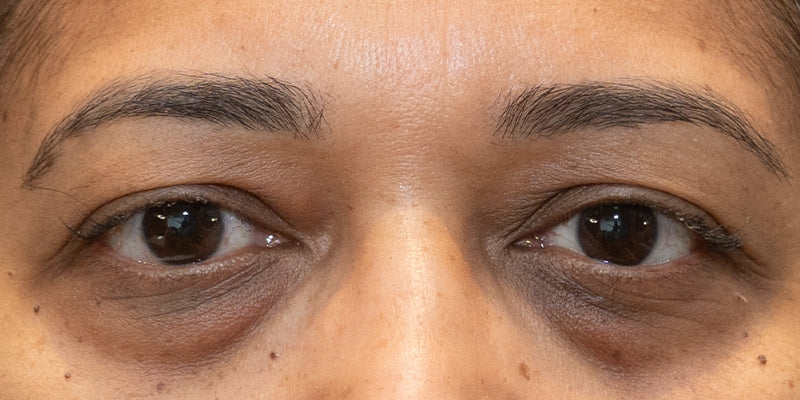
One common cause is hyperpigmentation under the eyes. Increased melanin can create brownish discoloration, especially in people who are genetically prone to pigmentation or experience frequent sun exposure.
Another cause is thinning skin. The under-eye area is naturally delicate, and visible blood vessels beneath thin skin can create a bluish or purplish appearance. As people age, volume loss can also create hollows that cast shadows and make dark circles appear more noticeable.
Other possible contributors include:
- Genetics and family history
- Inadequate or poor-quality sleep
- Allergies and frequent eye rubbing
- Sun exposure and increased pigmentation
- Dehydration that makes the under-eye area look dull
- Natural aging and loss of facial volume
- Puffiness that creates shadows beneath the eyes
- Lifestyle factors that affect skin appearance
Because different causes can look similar, identifying the main reason for your under-eye darkness is an important first step before choosing a dark circle removal treatment.
Home Remedies for Dark Circles: What May Actually Help?
Home remedies cannot permanently correct every type of dark circle, particularly those caused by genetics, significant pigmentation, or deep tear trough hollows. However, certain habits may help improve the overall appearance of the under-eye area.
Prioritize Consistent, Quality Sleep
Getting enough sleep may reduce the tired appearance associated with dark circles. Poor sleep can sometimes make blood vessels and shadows beneath the thin under-eye skin appear more visible.
Try maintaining a regular sleep schedule rather than simply trying to catch up on sleep occasionally. Sleeping with your head slightly elevated may also help some people who experience morning puffiness.
Use a Cool Compress
A cool compress can temporarily help reduce puffiness around the eyes. When puffiness decreases, the shadows that make dark circles look more prominent may also become less noticeable.
Use a clean, cool cloth and place it gently over closed eyes for a few minutes. Avoid applying ice directly to the delicate skin, as excessive cold can irritate the area.
Protect the Under-Eye Area From the Sun
Sun exposure can worsen pigmentation and make existing discoloration more noticeable. Daily sun protection is therefore an important part of managing brown-toned dark circles.
Choose a broad-spectrum sunscreen suitable for the face and apply it carefully around, but not directly into, the eyes. Sunglasses can provide additional protection against direct sunlight.
Avoid Rubbing Your Eyes
Frequent rubbing can irritate the skin and may contribute to inflammation or post-inflammatory pigmentation. This can be particularly relevant for people with allergies or sensitive skin.
If itchy eyes are a recurring issue, addressing the underlying trigger may be more helpful than repeatedly rubbing the area.
Consider Gentle Under-Eye Skincare
Certain skincare ingredients may support a brighter-looking under-eye area when used appropriately. Depending on your skin and the cause of discoloration, products containing antioxidants, gentle brightening ingredients, caffeine, or carefully formulated retinoids may be considered.
The skin around the eyes is sensitive, so strong products should not be used aggressively. Patch testing and following professional skincare advice can help reduce the risk of irritation.
When Home Remedies May Not Be Enough
Home care can support the appearance of the skin, but it has limitations. If dark circles are primarily caused by structural hollows, pronounced pigmentation, visible blood vessels, or age-related changes, lifestyle improvements alone may not produce a significant change.
This is where professional under-eye rejuvenation can become relevant. A qualified assessment can help distinguish between pigmentation-related darkness and shadows caused by volume loss.
For example, a person with brown pigmentation may require a different approach from someone whose dark circles are caused by deep tear troughs. Treating the wrong cause may lead to disappointing results, which is why individualized evaluation matters.
People considering dark circles treatments in Dubai may find that professional options are selected according to skin type, under-eye anatomy, and the specific appearance of the darkness.
Expert Treatments for Dark Circles
Professional treatments vary because dark circles have multiple causes. The goal is generally to improve the factor contributing most to the tired or shadowed appearance.
Topical Professional Skincare
For mild pigmentation or early skin changes, a professional may recommend a targeted skincare routine. Specific ingredients can be selected to support skin renewal, hydration, and a more even-looking complexion.
Professional guidance is particularly useful around the eyes because this area can become irritated easily. Results from skincare also tend to develop gradually and require consistency.
Chemical Peels for Suitable Pigmentation Concerns
Certain carefully selected superficial peels may be considered for pigmentation concerns. These treatments are designed to promote controlled skin renewal and may help improve uneven tone when performed appropriately.
Not every peel is suitable for the under-eye area. The treatment choice, strength, and application method should be determined carefully, especially for sensitive skin or deeper skin tones that may be more prone to pigmentation changes.
Laser and Light-Based Treatments
Some laser or energy-based procedures may be considered when pigmentation or skin quality is contributing to dark circles. Different technologies target different concerns, so a treatment should not be chosen based on popularity alone.
A professional assessment can determine whether the appearance is likely to respond to an energy-based approach. Skin tone and pigmentation patterns are also important when selecting an appropriate procedure.
Treatments for Tear Trough Hollows
Some dark circles are actually shadows created by volume loss beneath the eyes. In these cases, improving pigmentation alone may not fully address the concern because the underlying issue is structural.
Professionals may recommend an approach designed to improve under-eye contour where appropriate. Because the eye area is delicate and anatomically complex, treatment planning should always be personalized.
Microneedling and Skin-Quality Procedures
When thin or aging skin contributes to a tired appearance, treatments focused on skin quality may sometimes be considered. These approaches aim to support the skin's natural renewal processes over time.
Results and suitability vary, and more than one session may be recommended depending on the treatment plan and the individual's concerns.
How to Choose the Right Treatment for Your Dark Circles
Choosing the best option starts with identifying the type of dark circle you have. Looking closely at the color and shape of the area can provide clues, although a professional assessment is more reliable.
Here are some questions to consider:
- Are the circles brown or grayish? This may suggest pigmentation is playing a role.
- Do they look blue or purple? Thin skin and visible underlying blood vessels may contribute.
- Do they look darker because of a hollow or indentation? Shadows from tear trough volume loss could be involved.
- Are they worse in the morning? Puffiness and fluid retention may contribute to the appearance.
- Have they been present for many years? Genetics and natural facial anatomy may play a significant role.
A combination of factors is also common. Someone may have both pigmentation and under-eye hollows, which means a single treatment may not address every aspect of the concern.
This is one reason personalized Dark circles treatment in Dubai can be more useful than relying solely on a one-size-fits-all remedy.
How to Prevent Dark Circles From Becoming More Noticeable
Not all dark circles can be completely prevented, especially when genetics and facial anatomy are involved. However, healthy habits may help reduce factors that make them appear more pronounced.
Focus on consistent sleep, adequate hydration, gentle skincare, and daily sun protection. If allergies cause frequent itching or eye rubbing, managing those triggers may also support a healthier-looking under-eye area.
It is also important to avoid constantly switching between harsh products in search of quick results. Over-exfoliation and irritation can damage the skin barrier and potentially make discoloration more noticeable.
A simple routine can be more beneficial than using too many products. Consistency gives the skin time to respond and makes it easier to identify which habits and products are actually helping.
When Should You Consider Professional Advice?
Consider professional guidance if your dark circles are persistent, becoming more noticeable, or not improving despite consistent home care. An assessment can help identify whether pigmentation, volume loss, vascular visibility, puffiness, or a combination of factors is responsible.
Professional advice can also be valuable before trying stronger skincare products or procedures near the eyes. The under-eye region requires careful treatment because its skin is thinner and more sensitive than many other areas of the face.
If you are researching options for under-eye dark circle treatment in Dubai, ask about the cause of your particular concern rather than focusing only on a specific procedure. Understanding the reason behind the darkness can help create more realistic expectations and guide the selection of suitable treatment options.
Conclusion
Dark circles under the eyes can have many causes, which is why there is no single remedy that works perfectly for everyone. Simple measures such as better sleep, sun protection, cool compresses, hydration, and gentle skincare may help improve mild concerns, while persistent pigmentation or structural shadows may require expert assessment.
The most effective approach is to identify what is making your under-eye area appear darker and choose solutions accordingly. Whether you begin with home care or explore professional options, a personalized Dark circles treatment plan can help you take a more informed approach toward a brighter, fresher-looking under-eye appearance.
