Cyber-Hygiene for Freight: Protecting Small Delivery Hubs from Ransomware
Author : Todd Beddard | Published On : 30 Sep 2026
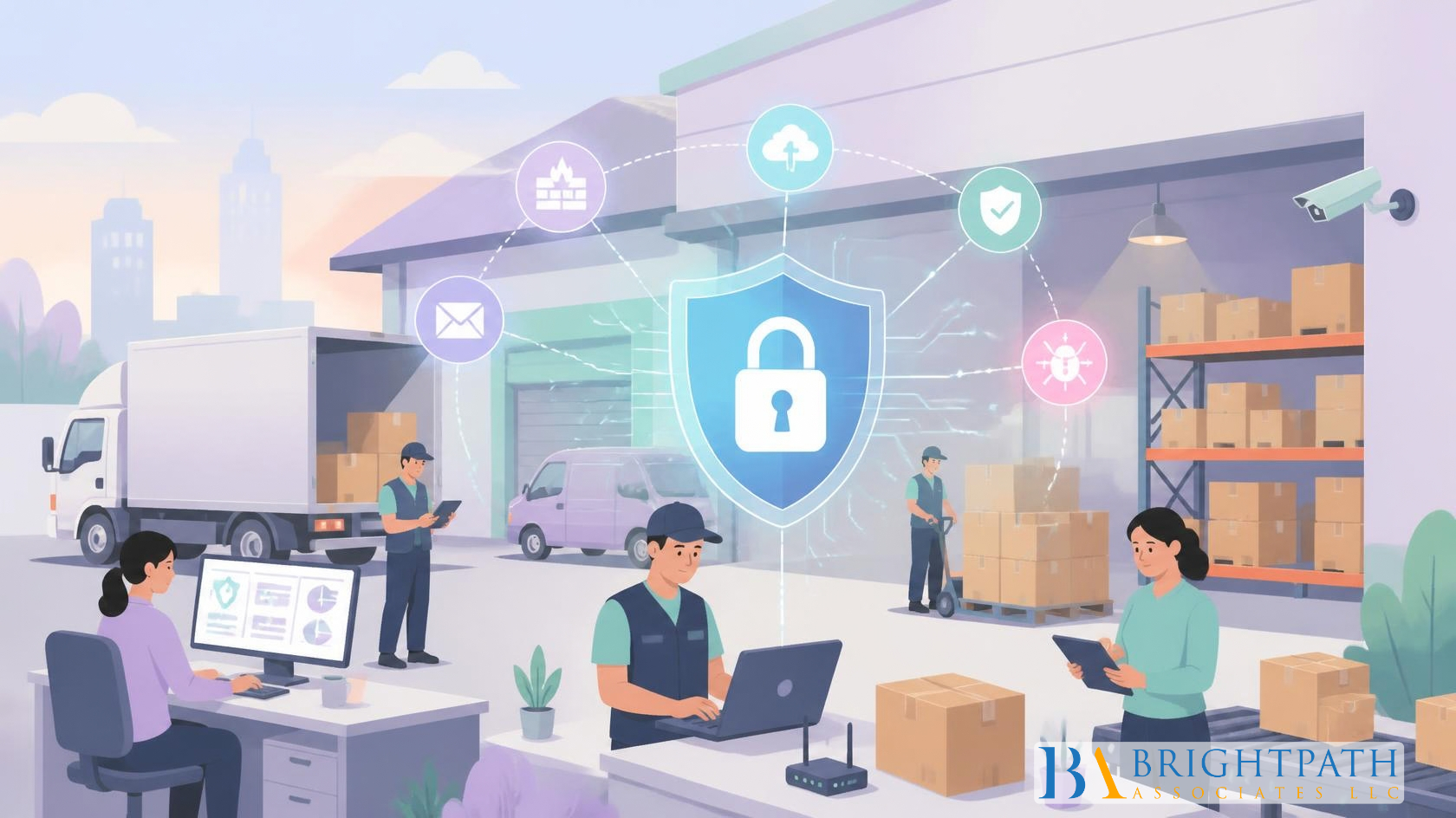
Cybersecurity is no longer an issue reserved for banks, technology companies, or large corporations. As package and freight operations become increasingly dependent on digital systems, small delivery hubs are also becoming potential targets for cyberattacks. Dispatch software, shipment tracking, customer databases, warehouse systems, payment platforms, connected devices, and employee accounts can all become pathways into an organization's operational environment.
For small and mid-sized freight businesses, the consequences of a cyber incident can extend far beyond lost data. A ransomware attack that disrupts dispatch or shipment visibility can quickly affect delivery schedules, customer communication, warehouse operations, and revenue.
Why Small Delivery Hubs Are Increasingly Exposed
Modern freight operations depend on technology at almost every stage of the delivery process. Employees may use cloud-based transportation management systems, handheld scanners, GPS-enabled devices, customer portals, email platforms, and digital payment systems.
These technologies create substantial operational benefits, but they also expand the number of systems that need protection. The problem is not necessarily that smaller businesses lack technology. In many cases, it is that security practices have not evolved as quickly as the technology supporting the business.
Small delivery hubs can face an additional challenge because they may not have dedicated cybersecurity departments. IT responsibilities are sometimes distributed among a small internal team or outsourced providers. Security updates, employee training, access management, and backup procedures can therefore compete with everyday operational priorities.
Understanding the Ransomware Threat
Ransomware is particularly disruptive because it can prevent organizations from accessing critical files or systems until an attacker demands payment. Even when companies maintain backups, an incident can create substantial operational disruption while systems are investigated, restored, and secured.
If dispatch information becomes unavailable, drivers may have difficulty receiving assignments. If warehouse systems are disrupted, packages may be harder to locate or process. If customer-service platforms are affected, employees may struggle to provide accurate shipment updates.
The financial impact can therefore involve much more than the ransom demand itself. Lost productivity, delayed shipments, recovery costs, customer dissatisfaction, legal considerations, and reputational damage can all become part of the business impact.
Cyber Hygiene Starts With Basic Controls
Sophisticated cybersecurity tools can be valuable, but small freight companies should not overlook basic security practices. Software and operating systems should also be updated consistently. Security vulnerabilities can remain exposed when patches are delayed indefinitely.
Strong passwords and multi-factor authentication are fundamental examples. Employees should not rely on easily guessed passwords or reuse the same credentials across multiple systems. Multi-factor authentication can add another layer of protection when credentials are compromised.
Access permissions deserve similar attention. Employees should receive access to the systems and information necessary for their responsibilities rather than unrestricted access across the organization. When employees change roles or leave the company, their access should be reviewed and removed where appropriate.
Connected Logistics Requires Connected Security
The digital transformation of the freight industry is creating more opportunities for efficiency and visibility. Real-time tracking, analytics, transportation management platforms, and connected devices can help businesses improve performance.
BrightPath's broader coverage of the Package or Freight Delivery Industry reflects how technology, logistics innovation, workforce requirements, and operational complexity are increasingly interconnected.
However, every additional connection can introduce another security consideration. Organizations should understand what devices are connected to their networks, which vendors have access to their systems, what information is being exchanged, and where sensitive data is stored.
Third-party relationships deserve particular attention. A freight company may depend on software providers, payment processors, logistics platforms, contractors, and other external partners. A vulnerability in one of these relationships can potentially create consequences for the broader operation.
Building a Practical Cyber Hygiene Program
Small delivery hubs do not need to solve every cybersecurity challenge simultaneously. A practical approach can begin with an assessment of the organization's most important systems and vulnerabilities.
Leadership can then prioritize basic controls such as multi-factor authentication, software updates, employee awareness training, access reviews, reliable backups, and incident-response planning. From there, companies can evaluate more advanced measures based on their operational needs and risk profile.
The goal is not to create an impenetrable digital environment. No organization can eliminate every cyber risk. The objective is to make attacks more difficult, detect problems sooner, limit potential damage, and recover operations as efficiently as possible.
For a deeper look at protecting smaller freight operations against ransomware and strengthening everyday security practices, explore Cyber Hygiene for Freight: Protecting Small Delivery Hubs From Ransomware.
Cyber Hygiene Should Become Part of Everyday Operations
Cybersecurity works best when it becomes part of the organization's normal operating culture rather than an emergency response activity. For small and mid-sized freight companies, this means making security part of onboarding, employee training, vendor management, technology purchasing, leadership planning, and operational reviews.
The freight industry will continue becoming more connected. As delivery networks adopt more digital tools, cybersecurity will increasingly influence reliability, customer trust, and business continuity.
How prepared is your delivery operation for a ransomware incident? Are employee awareness, outdated systems, third-party access, or limited cybersecurity talent your biggest concern? Share your experience or perspective in the comments.
For package and freight companies seeking leaders who can connect logistics operations, digital transformation, cybersecurity, and workforce strategy, BrightPath Associates LLC can help identify specialized executive and professional talent aligned with the evolving needs of the industry.
