Customer Experience in the Dairy Aisle: Winning Through Personalization
Author : Alyssa Miller | Published On : 31 Aug 2026
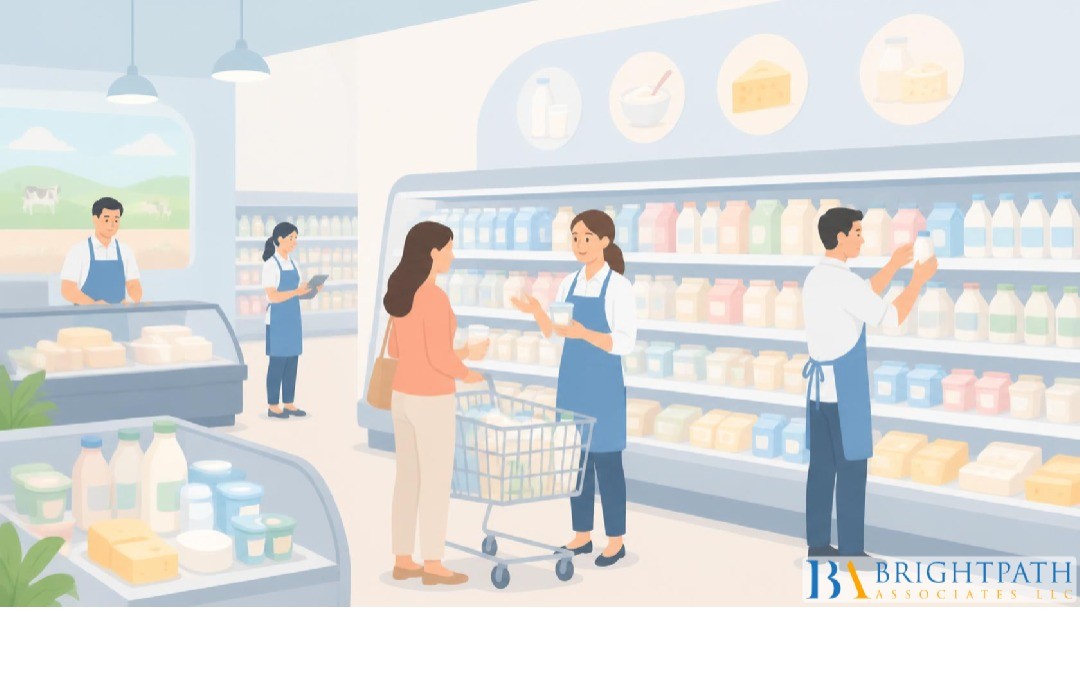
The modern dairy market is undergoing a significant shift. Consumers are no longer choosing products solely on the basis of price, brand familiarity, or availability. Nutrition, convenience, sustainability, ingredients, functionality, sourcing, packaging, and individual dietary preferences increasingly influence purchasing decisions.
For dairy manufacturers and processors, this transformation presents both a challenge and an opportunity. The traditional approach of developing products for a broad consumer demographic is becoming less effective as customers expect brands to understand their individual needs.
Personalization is emerging as a powerful strategy for addressing this change. It extends beyond personalized advertising or online recommendations. For dairy businesses, personalization can influence product development, manufacturing, supply chain planning, digital commerce, customer engagement, and leadership strategy.
Why Personalization Is Becoming a Competitive Advantage
Today's dairy consumer may have highly specific expectations. One customer may prioritize high-protein products for an active lifestyle, while another may look for low-sugar options. Families may prioritize value and convenience, while other consumers may focus on organic ingredients, sustainability, animal welfare, or transparent sourcing.
Personalization allows businesses to identify meaningful customer segments and develop products and experiences around those preferences. Instead of asking what the average dairy consumer wants, companies can begin asking more precise questions about what specific customer groups value and why.
This shift can support stronger customer relationships while creating opportunities for differentiated products and more targeted market strategies.
Technology Is Reshaping the Dairy Customer Experience
Personalized customer experiences depend heavily on technology. Advances in food technology, analytics, digital commerce, and connected production systems are helping dairy companies understand consumers and respond to changing preferences.
Customer data from online purchases, loyalty programs, digital interactions, feedback, and marketing campaigns can reveal important patterns. Companies can identify which products customers purchase, how frequently they reorder, which product combinations are popular, and which attributes influence purchasing decisions.
This information can become particularly valuable when connected to product development. If customer data shows growing interest in high-protein nutrition, for example, a manufacturer may evaluate opportunities to expand its high-protein portfolio.
The objective is not simply to collect more data. The real advantage comes from turning data into decisions that improve products and customer experiences.
Connecting Production With Consumer Expectations
Personalization does not begin at the retail shelf. It begins much earlier within the dairy value chain. Modern Milk Production Technologies are improving visibility into production conditions, milk quality, herd performance, and resource utilization. This information can help dairy organizations improve consistency while supporting broader transparency initiatives.
Consumers increasingly want to know more about where their food comes from and how it is produced. Information related to sourcing, animal care, environmental practices, and product quality can therefore become part of the customer experience.
For dairy businesses, this creates an opportunity to connect operational transparency with brand trust. Technology can provide the data, but businesses must communicate that information in a clear and credible way.
Flexible Manufacturing Is Essential for Personalization
Personalized products can create manufacturing complexity. More product variations, packaging formats, flavors, sizes, and formulations can increase the number of production configurations a facility must manage. This is where Dairy automation technologies become increasingly important.
Automated systems can support processing, filling, packaging, quality control, cleaning, temperature management, and material handling. More flexible automation can help manufacturers manage product variety while maintaining consistency and operational efficiency.
The objective should not be automation simply for the sake of reducing labor requirements. Instead, dairy manufacturers should use automation to build more responsive production systems capable of adapting to changing consumer demand. For mid-sized dairy businesses in particular, this flexibility can become a competitive advantage.
Leadership Is the Missing Link in Dairy Personalization
Technology can provide data, but leadership determines how effectively that information is used. Dairy businesses increasingly require leaders who understand traditional food manufacturing while also navigating analytics, automation, digital commerce, consumer behavior, sustainability, and organizational change.
Personalization requires collaboration across departments. Product development teams need to understand customer insights. Manufacturing teams need to create flexibility. Marketing teams need to communicate effectively. Supply chain leaders need to ensure availability. Technology teams need to maintain reliable data systems.
This makes cross-functional leadership increasingly important across the Dairy Industry. Organizations may need executives capable of connecting commercial strategy with operational realities. The strongest leaders will understand that customer experience is not owned by marketing alone. It is created across the entire value chain.
Conclusion: Personalization Is an Organizational Capability
Personalization in the dairy sector is much more than recommending the right yogurt to the right customer. It represents a broader transformation in how companies understand demand, develop products, operate manufacturing facilities, manage supply chains, communicate with consumers, and build leadership teams.
The future will belong to organizations that can connect the science of dairy production with the intelligence of modern technology and the human understanding required to create meaningful customer experiences. For a deeper examination of these trends, explore the original BrightPath Associates analysis, Customer Experience in Dairy Aisle.
