Customer Data Platform vs. CRM: Choosing the Right Data Strategy
Author : Merc Atus | Published On : 07 Apr 2026
For modern retailers, the challenge is no longer just collecting customer data, but using it effectively to meet the expectations of modern consumers through a coherent, actionable strategy.
By integrating a customer data platform directly into their commerce system, grocers can eliminate the friction of fragmentation and finally achieve a single, real-time view of the customer journey.
While third-party integrations often lead to costly delays and data silos, a platform for grocery that features built-in intelligence ensures that data flows seamlessly from the storefront to the marketing engine. This structural efficiency accelerates time-to-value, allowing retailers to move from raw data ingestion to high-impact personalization without the technical debt of external middleware.
At the heart of this unified approach is the customer intelligence that’s gathered through interactions with POS systems, mobile apps, and eCommerce storefronts. When a customer data platform is native to the environment, this can happen instantaneously, providing a high-fidelity customer experience that feels consistent across every touchpoint. This immediate access to insights empowers grocers to protect their margins by delivering the right offer to the right shopper at precisely the right moment.
Ultimately, a platform for grocery must do more than store information; it must fuel measurable growth. By leveraging an embedded customer data platform, retailers can transition from reactive marketing to predictive engagement, turning every digital interaction into a loyalty-building opportunity.
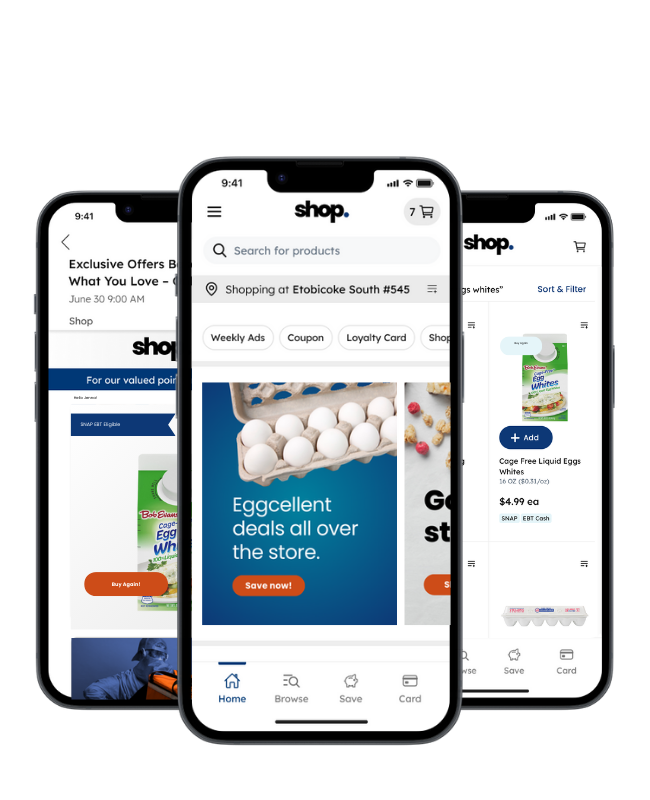
Strategic Outcomes: Driving Precision Personalization and Revenue Growth
A specialized customer data platform serves as the central engine for generating measurable financial results. Standard marketing tools often fail to connect the dots between digital browsing and physical store sales. This technology integrates behavioral signals, transaction history, and loyalty status into a single actionable framework. It allows regional grocers to outpace competitors by owning the entire customer journey through data. High-volume retail environments require a robust customer data platform to maintain the speed of real-time engagement.
Defining the Customer Data Platform in a Retail Context
A customer data platform is more than a simple database for storing contact information. It acts as a processing layer that connects every part of the digital experience platform.
This includes identifying patterns across mobile apps, web portals, and in-store POS systems. The technology manages complex grocery variables like household buying cycles and brand preferences. A customer data platform ensures that the customer experience remains relevant across all these channels.
Unified shopper profiles
The customer data platform combines engagement, loyalty, and commerce data into a single, cohesive record. This integration removes the friction found in disconnected legacy systems that create data silos.
Data sovereignty
Retailers gain full ownership of their shopper data instead of giving it to third-party marketplaces. This control allows for better long-term strategic planning and higher customer experience standards.
The architecture of a built-in customer data platform allows for modular growth. Grocers can activate new audience segments without rebuilding their entire technical stack. This flexibility is vital for staying relevant in a fast-moving market.
Protecting Operational Margins Through Automation
Grocery margins are thin, and manual marketing efforts can add extra costs. A platform for grocery reduces these expenses by automating the segmentation process. It uses intelligent algorithms to identify high-value shoppers who are at risk of churning.
This automation helps safeguard profits while growing the digital business. A customer data platform provides the visibility needed to reduce wasted ad spend on irrelevant promotions.

Automated segmentation
The system builds dynamic audiences based on real-time triggers like cart abandonment or loyalty milestones. This improvement directly lowers the manual labor cost associated with managing digital marketing campaigns.
Margin protection
Intelligent offer management ensures that discounts are only sent to shoppers who require an incentive to convert. It provides a protective layer that monitors for profitability while maintaining a smooth user journey.
Efficiency is the primary goal of these automated systems. By lowering the cost-to-serve, the customer data platform makes digital expansion sustainable. It removes the need for constant manual data exports when running cross-channel advertisements.
Transitioning from Transactions to the Customer Experience
Successful grocers focus on long-term relationships rather than one-time sales. A digital experience platform facilitates this shift by focusing on the total customer experience.
It uses a customer data platform to understand how people actually shop throughout the week. This knowledge allows the retailer to provide relevant suggestions that feel natural to the user. Moving away from basic transactional models lets the grocer create a more engaging digital environment.
Predictive insights
A customer data platform tracks purchase cycles to predict when a shopper needs a specific refill. It transforms raw data into a proactive tool for driving repeat orders through the platform for grocery.
Basket growth
True personalization increases the size of the basket by showing the right products at the right time. AI-driven recommendations suggest items based on real-time shopping behavior and past preferences stored in the customer data platform.
Dynamic results
The system uses real-time behavior and identity resolution to adjust search results and product promotions instantly. This ensures that the digital storefront reflects the immediate needs and intent of the shopper.
Shifting the focus to the customer experience builds deeper shopper loyalty over time. A customer data platform ensures that every digital interaction adds value to the customer life cycle. This approach helps independent grocers stand out from mass merchants in a crowded digital space.
DXPro Architecture: Unifying POS, Loyalty, and eCommerce Data into a Single Source of Truth
Mercatus DXPro serves as a specialized platform for grocery by centralizing high-velocity retail data into one environment. It integrates legacy POS systems with modern eCommerce storefronts to create a reliable, continuous data stream.
This architecture removes the need for external connectors that often slow down processing speeds. By consolidating these streams, grocers gain a comprehensive view of their business health without the technical debt of third-party middleware.
Modern Data Ingestion for Retail
A native digital experience platform must capture every transaction and interaction in order to make its engagement relevant.
DXPro ingests raw data from physical checkout lanes and digital shopping carts simultaneously to ensure no interaction is missed. This unified flow ensures that inventory levels and shopper behavior stay synchronized across the entire organization.
Transaction synchronization
The system syncs offline POS transactions with online user profiles immediately. This ensures that the customer data platform reflects the true purchase history of every shopper, regardless of where they choose to buy.
Inventory accuracy
It tracks real-time inventory changes to prevent the sale of out-of-stock items on the digital storefront. This direct link between the warehouse and the web portal protects the customer experience from fulfillment errors.
Instant loyalty updates
Loyalty program points and rewards update the moment a customer completes a purchase at any touchpoint. This immediate feedback loop encourages repeat engagement and strengthens the bond between the shopper and the brand.
It provides a stable foundation for a high-performance customer data platform strategy that reacts at the speed of the consumer.
Establishing a Reliable Source of Truth
Reliable data serves as the core of any successful customer experience strategy.
DXPro cleans and organizes incoming information to remove duplicate entries and resolve data conflicts automatically. This process ensures that marketing teams and store managers see the same figures in their respective dashboards.

Simplified compliance
Centralized records simplify the management of data privacy regulations and security audits. Having one source of truth makes it easier for a platform to honor consumer data requests and maintain legal standards.
Stakeholder alignment
All stakeholders access a single dashboard for all sales, engagement, and fulfillment metrics. This alignment prevents internal silos from forming and allows for faster, data-driven decision-making across the enterprise.
The architecture of a built-in customer data platform allows for a higher degree of data integrity. By removing the need for external synchronization, the digital experience platform ensures that every insight is grounded in verified, real-time facts.
The Role of Integrated Storage and Retrieval
The customer data platform within DXPro does not sit on top of the technical stack as an afterthought. It lives inside the commerce engine to reduce technical friction and maximize processing efficiency. This design allows for the near-instant retrieval of shopper history during a live session, which is critical for real-time personalization.
Low-latency performance
The system retrieves profile data in milliseconds to power dynamic storefronts and personalized search results. This speed is a primary differentiator for a platform for grocery built for high-traffic environments.
Scalable data processing
The integrated storage model handles massive spikes in data volume during holiday rushes or promotional events. It scales horizontally to support more locations and higher digital traffic without degrading the customer experience.
Operational visibility
Retailers can use these integrated insights to manage fulfillment labor and storefront displays more effectively. The system handles the heavy lifting of data organization, allowing staff to focus on serving the customer.
By housing data and execution in the same system, DXPro eliminates the lag associated with external API calls. This architectural choice turns the customer data platform into a living part of the retail workflow.
Transforming Real-Time Shopper Data into Predictive Action
The Mercatus digital experience platform processes high-velocity data to provide immediate, actionable insights for every grocery shopper.
This system eliminates the manual effort usually required to turn a customer data platform into a revenue driver. Automating the analysis of complex behavior allows retailers to focus on strategy rather than data entry.
Its embedded customer data platform transforms stagnant data into a proactive tool for both marketing and operations. It ensures that every insight leads directly to a measurable business outcome for the grocer.
Powering Personalized Engagement
The engine analyzes historical purchase patterns and live browsing behavior simultaneously. This allows the platform for grocery to predict what a customer needs before they even add it to their cart.
This capability ensures the customer experience remains relevant and helpful during every session. High-fidelity recommendations reduce the time shoppers spend searching for their weekly essentials.
Predictive cart building
The AI suggests frequently purchased items based on the shopper’s unique replenishment cycle. This reduces friction in the digital path to purchase and increases average order value for the retailer.
Behavioral trigger mapping
DXPro identifies churn signals by monitoring changes in a shopper’s typical engagement frequency. This allows the customer data platform to trigger automated re-engagement campaigns before a loyal customer is lost.
Dynamic pricing logic
The system can apply loyalty-based pricing or personalized discounts in real-time during the checkout process. This ensures that promotions are only used when they are likely to result in a completed transaction.
This level of automation ensures that the customer experience evolves with the shopper. It moves the digital experience platform beyond static content into a dynamic retail environment.
Optimizing Store Operations
Beyond the storefront, DXPro assists with back-end efficiency with its order management tools and pick app. It uses identity resolution to forecast demand and streamline fulfillment workflows. This ensures that the digital experience platform supports both the shopper and the store associate through smarter resource allocation.
Smart order orchestration
The engine routes orders based on store capacity and real-time labor availability. This prevents bottlenecks and ensures that fulfillment times meet the expectations of the modern consumer.
Tailored storefront displays
The AI adjusts the digital aisle based on the specific location and inventory of the local store. This prevents the promotion of out-of-stock items and improves the overall customer experience.
Fulfillment slot management
Predictive models suggest the best pickup or delivery times to balance the store’s operational load. This helps the platform for grocery maintain high service levels during peak shopping hours.
Efficiency is the primary goal of these automated systems. By using a customer data platform to guide operations, grocers can reduce the labor costs associated with digital growth.
Optimize Your Customer Experience
Building a sustainable strategy around customer data requires a move from simply collecting data to activating it in real time.
Mercatus DXPro ensures that behavioral signals — like search intent or past purchase frequency — immediately dictate the digital storefront experience. By using an embedded customer data platform, grocers can bypass the latency of external integrations and deliver precision engagement at the exact moment a shopper is ready to convert.
This seamless transition from insight to action turns every digital touchpoint into a high-performance engine for measurable growth.
The true value of a unified digital experience platform lies in its ability to synchronize the front-end user journey with back-end operational fulfillment. When a customer data platform is native to the system, it optimizes the customer experience by suggesting relevant items while simultaneously balancing store labor and inventory.
This ensures that every personalized offer is backed by efficient order orchestration, preventing the frustration of out-of-stock items or delayed pickups. A specialized platform for grocery thus protects both the shopper relationship and the retailer’s operational margins.
Ultimately, the choice to move away from “bolt-on” solutions toward an integrated customer data platform is a choice for long-term scalability. Grocers who own their data and use identity resolution to understand their audience can build deep, lasting loyalty that mass merchants cannot easily replicate.
By putting your data to work through a built-in intelligence model, you ensure that your digital experience platform remains a flexible, profit-driving asset for years to come. This approach converts raw behavioral signals into a predictable, high-value customer experience that strengthens your brand with every transaction.
Frequently Asked Questions
What is the difference between a CDP and a Data Warehouse?
A Data Warehouse like Snowflake or BigQuery serves as a long-term storage repository for massive volumes of historical data used primarily for deep analytical reporting. In contrast, a customer data platform is an operational tool designed for real-time identity resolution and immediate marketing activation.
Does my company actually need a CDP?
If your grocery operation suffers from fragmented data silos where online shopping behavior is disconnected from in-store loyalty and POS transactions, you likely need a customer data platform. A specialized platform for grocery allows you to own your first-party data and deliver a consistent customer experience that drives repeat orders.
How long does it take to implement a Customer Data Platform?
Traditional standalone integrations can take six months to a year due to complex API mapping and data cleaning requirements. However, a native customer data platform like Mercatus DXPro is built in by design, allowing grocers to bypass external integration phases and reach full operational status in less time.
Can a CDP replace my CRM?
A customer data platform does not replace a CRM; rather, it enhances it by providing the real-time behavioral data that CRMs typically lack. While a CRM manages manual sales interactions and long-term contact records, the customer data platform handles high-velocity digital signals and identity resolution for thousands of daily transactions.
How does a CDP handle privacy and consent management?
A modern customer data platform acts as the central “brain” for consent, ensuring that a shopper’s privacy preferences are honored across every marketing channel instantly. It uses identity resolution to link opt-out requests to a single profile, preventing a user from receiving an email if they have already unsubscribed via the mobile app.
