Custom Apparel Printing Guide: Methods, Costs and Business Benefits
Author : Leo Martin | Published On : 29 Apr 2026
Custom apparel printing has become one of the most effective ways for businesses to build brand recognition and create a professional identity. From startups and small businesses to large corporations, many brands use printed clothing to promote their image, unify teams, and connect with customers. Whether it’s custom hoodies, t-shirts, uniforms, or promotional merchandise, custom printed apparel can turn everyday clothing into a powerful marketing tool.
In this guide, we’ll explore how custom apparel printing works, the most popular printing methods, typical costs, and the key business benefits of investing in custom printed clothing.
What Is Custom Apparel Printing?
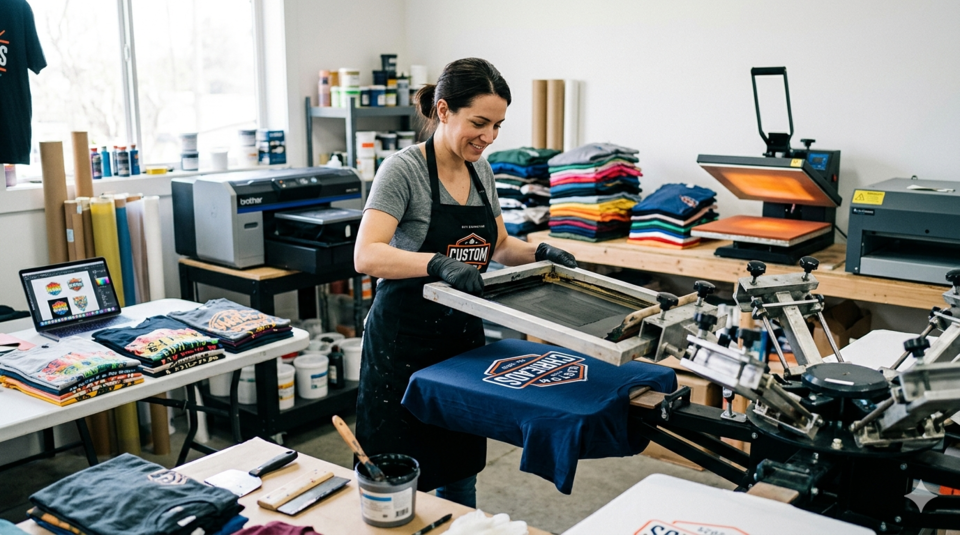
Custom apparel printing is the process of adding designs, logos, text, or graphics onto garments such as t-shirts, polos, hoodies, caps, and uniforms. Businesses, organisations, and individuals use this technique to personalise clothing for branding, promotions, team wear, or events.
For businesses in particular, custom printed apparel helps create a consistent brand image. When employees wear branded clothing, it makes a company appear more professional and easier for customers to recognise.
Popular Custom Apparel Printing Methods
There are several printing methods available today. Each technique has its own advantages depending on the type of garment, design complexity, and order size.
1. Screen Printing
Screen printing is one of the most widely used methods for custom apparel printing. It involves pushing ink through a mesh screen onto the fabric to create a design.
Best for:
Large orders
Simple designs with limited colours
Promotional t-shirts and uniforms
Advantages:
Durable and long-lasting prints
Vibrant colours
Cost-effective for bulk orders
Limitations:
Not ideal for small orders or highly detailed designs with many colours.
2. Direct-to-Garment (DTG) Printing
Direct-to-garment printing uses specialised inkjet technology to print designs directly onto fabric. It works similarly to printing on paper but is designed for textiles.
Best for:
Small orders
Detailed or full-colour designs
Photographic prints
Advantages:
High detail and colour accuracy
No setup cost for small runs
Ideal for custom one-off designs
Limitations:
Usually more expensive for large orders compared to screen printing.
3. Heat Transfer Printing
Heat transfer printing uses heat and pressure to transfer a design from a special paper or vinyl onto the garment.
Best for:
Custom names and numbers
Small batch orders
Sportswear and personalised clothing
Advantages:
Flexible and versatile
Works well for personalised items
Suitable for many garment types
Limitations:
May not be as durable as other printing methods if not applied properly.
4. Embroidery
While technically not printing, embroidery is another popular option for custom apparel branding. It involves stitching a design directly onto the fabric using thread.
Best for:
Polo shirts
Caps and hats
Corporate uniforms
Advantages:
Premium and professional appearance
Extremely durable
Ideal for logos and branding
Limitations:
Not suitable for highly detailed graphics or large designs.
Factors That Affect Custom Apparel Printing Costs
The cost of custom apparel printing can vary depending on several factors. Understanding these elements can help businesses plan their budget more effectively.
1. Printing Method
Different printing techniques have different costs. For example, screen printing is more affordable for bulk orders, while DTG printing may be better for small quantities.
2. Order Quantity
Most printing companies offer better pricing for larger orders. Bulk printing reduces the cost per garment significantly.
3. Number of Colours
Designs with more colours usually increase production costs, especially in screen printing where each colour requires a separate screen.
4. Garment Type
The type and quality of garment also affect the overall cost. Premium fabrics or branded clothing will naturally be more expensive than standard options.
5. Design Size and Placement
Larger prints or multiple print locations (front, back, sleeves) can increase the overall production cost.
Business Benefits of Custom Apparel Printing
Custom apparel printing is more than just decorating clothing. It offers real marketing and branding advantages for businesses.
1. Strong Brand Visibility
Branded clothing acts like a moving advertisement. When employees wear company apparel, your brand becomes visible to more people in everyday environments.
2. Professional Company Image
Uniforms and custom workwear create a polished and professional appearance. Customers are more likely to trust businesses that present themselves consistently.
3. Team Identity and Unity
Custom apparel helps employees feel like part of a team. It builds a sense of belonging and encourages team spirit in the workplace.
4. Cost-Effective Marketing
Compared with traditional advertising, printed apparel offers long-term exposure at a relatively low cost. A single t-shirt can promote your brand for months or even years.
5. Promotional and Event Opportunities
Businesses often use custom apparel for trade shows, marketing campaigns, giveaways, and special events. It helps create memorable brand experiences for customers.
How to Choose the Right Custom Apparel Printing Method
Selecting the best printing method depends on your specific needs. Consider the following questions:
How many garments do you need?
How complex is your design?
What type of garment are you printing on?
What is your budget?
For example, businesses ordering hundreds of promotional shirts may benefit from screen printing, while small businesses wanting detailed artwork might prefer direct-to-garment printing.
Final Thoughts
Custom apparel printing is a powerful way for businesses to strengthen their branding, promote their services, and create a professional identity. With multiple printing methods available and flexible options for different budgets, it’s easier than ever for companies to produce high-quality branded clothing.
By understanding the various printing techniques, costs, and benefits, businesses can make smarter decisions when investing in custom apparel. Whether you’re creating uniforms for your team or promotional merchandise for customers, custom printed apparel can help your brand stand out and leave a lasting impression.
