Curt's Towing: What Drivers Should Know Before Calling a Tow Truck
Author : Curtsheavy towing | Published On : 03 Sep 2026
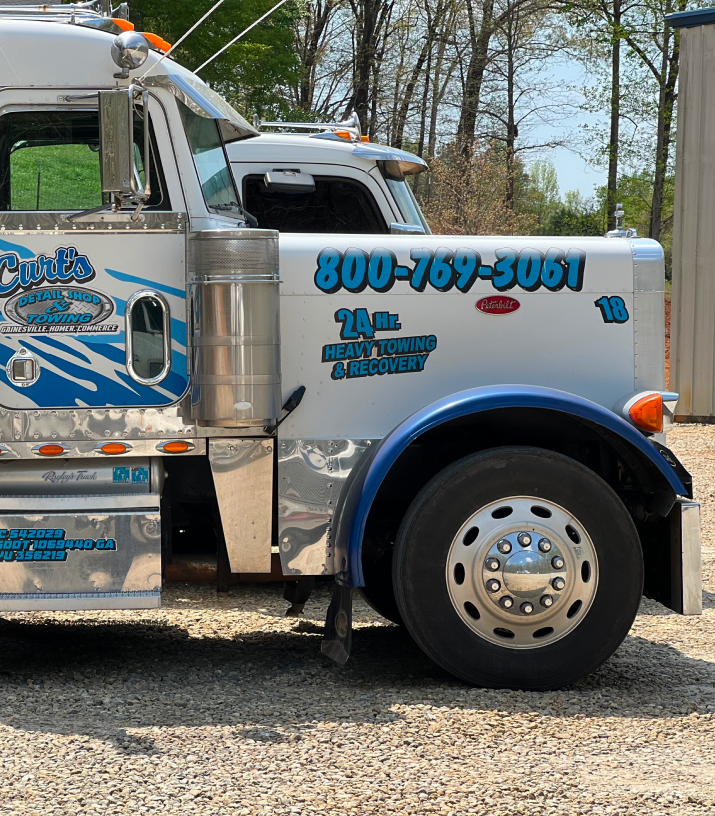
Most people do not wake up expecting to need a tow truck. You have somewhere to be, your vehicle seems fine, and then something unexpected happens. The engine stops. A tire gives out. Your vehicle is damaged in an accident and cannot be driven.
Suddenly, getting a tow becomes the most important thing on your list.
Searching for Curt's Towing can be a starting point for drivers who need help moving a disabled vehicle. But knowing what to do before calling, what information to provide, and what questions to ask can make the entire process easier.
Start With Safety
When a vehicle breaks down, it is natural to focus immediately on the problem. Before checking the engine or looking at a tire, however, consider your surroundings.
If your vehicle can still move safely, pull over to a location away from traffic. A parking lot or suitable shoulder may provide a safer place to wait.
Turn on your hazard lights, especially if your vehicle is stopped where other drivers may have difficulty seeing it.
If you are on a busy highway, avoid standing directly beside the vehicle unless you are certain it is safe. Passing traffic can be dangerous.
Once you and your passengers are in a safer position, you can start arranging towing assistance.
Know When Driving Is Not a Good Idea
A vehicle that will not start is an obvious reason to consider a tow, but there are other warning signs worth taking seriously.
For example, if your vehicle has lost braking power, developed a major steering problem, overheated badly, or suffered significant wheel damage, driving it farther may not be worth the risk.
A tow truck may be appropriate when:
- The engine will not start.
- The vehicle has major mechanical trouble.
- The brakes are not functioning normally.
- Steering feels unsafe.
- A tire or wheel is badly damaged.
- The engine has overheated.
- The vehicle was involved in an accident.
- The vehicle is stuck and cannot be moved safely.
- A non-running vehicle needs transportation to a repair shop.
When you are unsure about the condition of your vehicle, getting professional assistance is often safer than guessing.
Have Your Location Ready
One of the first questions a towing company will ask is where you are.
If you know your street address, provide it. If you are on a highway, give the road name, direction of travel, nearest exit, or a nearby landmark.
Your phone may also allow you to share your location.
Try to be as specific as possible. Saying that you are “somewhere on the highway” is not nearly as useful as providing the nearest exit or mile marker.
A clear location can help the tow truck operator find you more easily.
Explain What Happened
The towing company will also need to know something about your vehicle.
Tell the operator the make and model if you know them. Then explain the problem in simple terms.
Does the engine start? Can the vehicle roll? Can you steer it? Are there damaged wheels? Was there an accident?
You do not need to diagnose the mechanical problem yourself.
For example, saying, “The engine suddenly stopped and now the vehicle will not start,” is enough to give the operator useful information.
If the vehicle is in an unusual position, such as partly off the road or stuck in mud, mention that before the truck arrives.
Ask About the Cost
Nobody wants an unexpected expense, especially when a breakdown has already disrupted the day.
Before the towing service begins, ask about the estimated price. The total cost may depend on the distance, vehicle size, location, time of service, and equipment required.
Ask whether there are additional charges that you should know about.
A quick conversation about pricing can prevent confusion later and help you decide whether the service fits your needs.
Decide Where the Vehicle Should Go
It is helpful to have a destination in mind before the tow truck arrives.
If the vehicle needs repairs, you may want it taken to a mechanic or repair shop. If you do not have a mechanic available, you might prefer to have the vehicle taken home.
After an accident, your insurance company or body shop may provide instructions about where the vehicle should go.
Have the address ready when you call. If the destination changes later, let the towing company know as soon as possible.
What Happens During the Tow?
When the driver arrives, they will typically look at the vehicle and determine how it should be loaded.
The correct towing method depends on the vehicle and its condition. A standard sedan may be handled differently from a large pickup truck or an accident-damaged vehicle.
Do not be afraid to ask questions if you are unsure how your vehicle will be transported.
Before the vehicle leaves, remove important personal belongings if it is safe to do so. Check the passenger area, trunk, and other storage spaces.
Keep a Towing Company in Your Phone
A good time to find a towing company is before your vehicle breaks down.
Saving a contact in your phone means you will not have to spend several minutes searching the internet while standing on the side of the road.
It is also useful to keep your insurance information and roadside assistance details accessible.
Even if you rarely need towing services, having a plan can make an unexpected breakdown feel more manageable.
Choosing Curt's Towing
When looking for Curt's Towing, take a moment to consider the type of service you need. Look for clear communication, reasonable pricing, appropriate towing equipment, and a company that serves your location.
A vehicle breakdown can quickly interrupt your plans, but the situation does not have to become overwhelming. Focus on safety first, provide accurate information, ask about pricing, and arrange a suitable destination for the vehicle.
Whether the problem is a mechanical failure, accident damage, or a vehicle that simply will not start, knowing who to call can make the next step much easier.
When your vehicle cannot continue, reliable towing assistance can help get it where it needs to go.
