Cultivating Talent: Attracting Next Generation of Agricultural Leaders
Author : Alex Turner | Published On : 23 Apr 2026
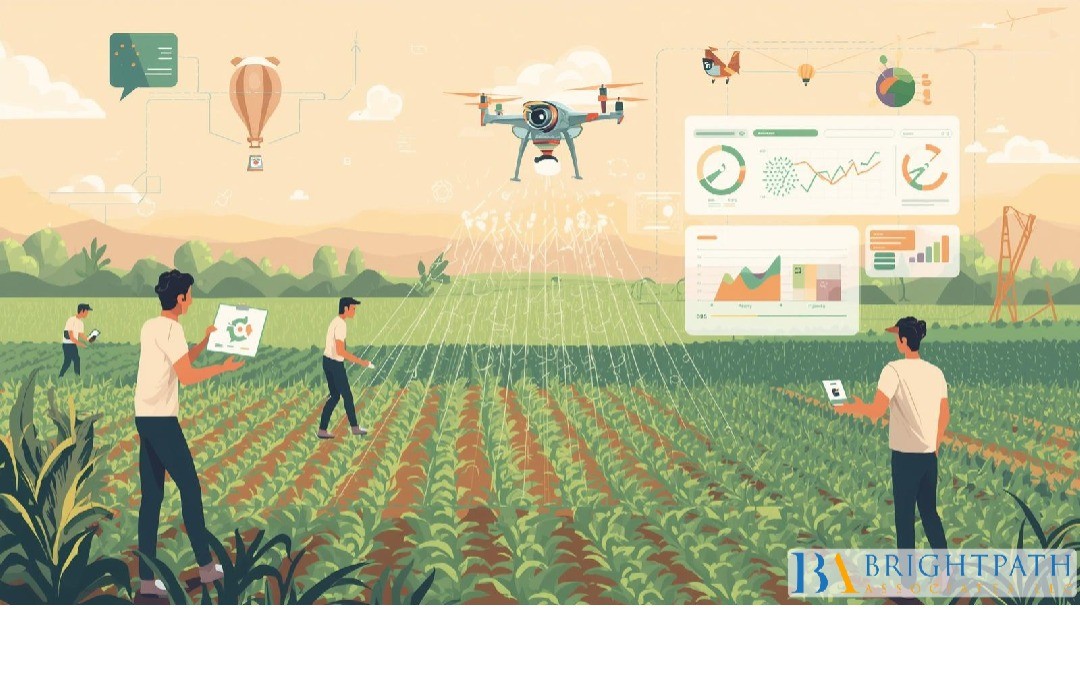
The farming industry is undergoing a profound transformation, driven by technological innovation, sustainability demands, and shifting global food systems. While these changes are creating new opportunities for growth, they are also exposing one of the sector’s most pressing challenges—attracting and retaining the next generation of agricultural leaders. For small to mid-sized agribusinesses across the United States, this is no longer just a workforce issue; it is a strategic priority that directly impacts long-term sustainability, productivity, and competitiveness.
Agriculture today is no longer defined solely by traditional farming practices. It has evolved into a complex, technology-driven industry that integrates precision agriculture, data analytics, automation, and sustainable practices. As highlighted in recent industry insights, modern farming increasingly relies on digital tools, AI-driven analytics, and interconnected systems that enable smarter decision-making and improved efficiency. This transformation is reshaping the skills required for success, creating a demand for leaders who can bridge the gap between traditional agricultural expertise and modern technological capabilities.
One of the primary challenges facing the industry is the perception gap among younger generations. Many potential candidates view agriculture as labor-intensive and less innovative compared to other industries, despite the reality that modern farming is highly sophisticated and technology-driven. This disconnect is limiting the influx of new talent into the sector, exacerbating existing workforce shortages. At the same time, a significant portion of the current agricultural workforce is approaching retirement, further intensifying the need to attract younger professionals who can carry the industry forward.
To address this challenge, companies must rethink their approach to talent acquisition. Traditional hiring strategies are no longer sufficient in attracting the next generation of leaders. Instead, organizations need to position agriculture as a dynamic, innovation-driven career path that offers opportunities for growth, impact, and technological advancement. This includes highlighting the role of agriculture in addressing global challenges such as food security, climate change, and sustainability—issues that resonate strongly with younger professionals.
Equally important is the need to invest in education and workforce development. Building a pipeline of future agricultural leaders requires strong partnerships with educational institutions, training programs, and industry organizations. By engaging students early and providing hands-on learning opportunities, companies can cultivate interest in agricultural careers and equip future leaders with the skills they need to succeed. Research shows that structured training and development programs not only enhance skill levels but also improve retention and long-term workforce stability. This approach shifts the focus from simply hiring talent to actively developing it.
Another critical factor in attracting the next generation of agricultural leaders is the integration of technology into everyday operations. Digital agriculture tools, precision farming techniques, and advanced data analytics are transforming how farms operate, making the industry more appealing to tech-savvy professionals. According to industry data, the adoption of digital agriculture technologies is growing rapidly, with increasing demand for leaders who can implement and manage these innovations effectively. By embracing these technologies, companies not only improve efficiency but also position themselves as forward-thinking employers that appeal to modern talent.
Leadership development also plays a crucial role in cultivating future talent. The expectations for agricultural leaders have evolved significantly, requiring a combination of technical expertise, strategic thinking, and adaptability. Today’s leaders must navigate complex challenges, including market volatility, regulatory requirements, and sustainability goals. They must also be capable of driving innovation and fostering collaboration across diverse teams. This shift underscores the importance of identifying and nurturing high-potential individuals who can grow into leadership roles and guide organizations through periods of change.
For organizations looking to align their talent strategies with industry trends, exploring the Farming Industry provides valuable insights into workforce dynamics, technological advancements, and emerging opportunities. These insights can help companies develop targeted strategies to attract and retain top talent while staying competitive in a rapidly evolving market.
In addition to internal development, companies must also focus on employer branding to attract the next generation of leaders. A strong employer brand communicates innovation, purpose, and growth opportunities, making organizations more appealing to potential candidates. Highlighting success stories, showcasing technological advancements, and emphasizing a commitment to sustainability can significantly enhance a company’s ability to attract high-quality talent. In today’s competitive landscape, candidates are not just looking for jobs—they are seeking meaningful careers that align with their values and aspirations.
Collaboration is another key strategy for cultivating talent in the agricultural sector. Partnerships with universities, research institutions, and technology providers can help companies access new ideas, resources, and talent pools. These collaborations enable organizations to stay at the forefront of innovation while creating opportunities for knowledge exchange and skill development. By fostering a collaborative ecosystem, companies can accelerate the development of future leaders and drive industry-wide progress.
Despite these opportunities, attracting and retaining talent in agriculture remains a complex challenge. Companies must address issues such as workforce retention, skills gaps, and changing expectations. This requires a holistic approach that combines strategic hiring, continuous training, and a supportive work environment. Organizations that prioritize employee engagement, offer competitive compensation, and provide clear career progression pathways are more likely to retain top talent and build a stable workforce.
Executive search recruitment has become an essential tool in addressing these challenges, particularly for leadership roles. As the demand for skilled agricultural leaders continues to grow, companies are increasingly relying on specialized recruitment partners to identify candidates with the right blend of technical expertise and strategic vision. These recruitment solutions enable organizations to access a broader talent pool and secure leaders who can drive innovation and growth.
For a deeper understanding of how organizations can successfully attract and develop the next generation of agricultural leaders, this comprehensive guide on Attracting Next Generation of Agricultural Leaders provides actionable insights and strategies tailored to the evolving needs of the industry.
Ultimately, the future of the farming industry depends on its ability to cultivate and empower the next generation of leaders. Companies that invest in talent development, embrace innovation, and adopt strategic recruitment practices will be better positioned to navigate challenges and capitalize on emerging opportunities. The ability to attract, develop, and retain skilled professionals will define success in an industry that is becoming increasingly complex and competitive.
The question for industry leaders is clear: are you doing enough to attract and nurture the next generation of agricultural talent? Or are talent gaps holding your organization back from achieving its full potential.
