Creating Inspiring Learning Environments Through Innovative Childcare Centre Fit Outs
Author : Laity Building | Published On : 11 Nov 2026
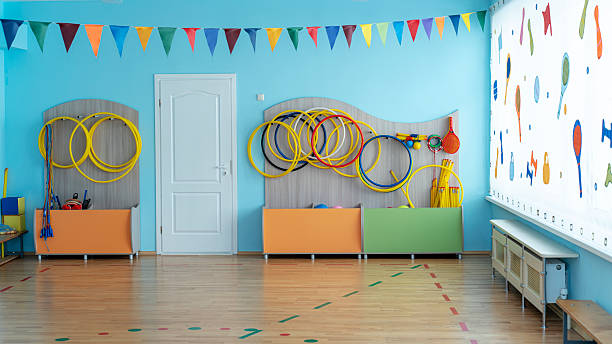
A childcare centre should be more than a place where children spend their day. It should be a welcoming environment that encourages curiosity, creativity, confidence, and early development. Every element, from colourful interiors to safe play areas, contributes to how children explore and interact with their surroundings. A thoughtfully planned childcare centre fit out helps transform an ordinary building into an engaging space that supports learning while meeting the practical needs of educators and families. By combining child-friendly designs, functional layouts, durable materials, and carefully selected facilities, childcare environments can become more comfortable, stimulating, and suitable for different stages of childhood development.
Designing Spaces That Encourage Early Learning
Children learn through observation, exploration, movement, and interaction. Therefore, the design of a childcare facility should provide opportunities for different types of activities throughout the day. A well-organised environment allows children to participate in individual tasks, group activities, creative projects, and supervised play.
Different areas should have clearly defined purposes while maintaining a comfortable connection with the rest of the centre.
Creating Age-Appropriate Learning Zones
Children of different ages have different developmental needs. Younger children benefit from soft surfaces, accessible storage, and simple interactive features, while older children may enjoy activity tables, creative corners, and spaces for imaginative play.
Dividing the facility into suitable learning zones helps educators organise daily activities more effectively. It also allows children to move between activities without unnecessary distractions.
Encouraging Creativity and Imagination
Colourful wall features, interactive displays, reading corners, and imaginative play areas can make learning more enjoyable. Incorporating visual elements that reflect nature, animals, shapes, and everyday experiences can encourage children to ask questions and explore new ideas.
The objective is to create an environment that stimulates curiosity without overwhelming young minds.
Prioritising Safety and Child-Friendly Functionality
Safety should remain a central consideration throughout the design and construction process. Childcare environments must accommodate active movement, regular interaction, and continuous supervision.
Selecting Suitable Materials
Materials used throughout the centre should be durable, easy to maintain, and appropriate for children. Flooring should provide suitable grip and cushioning, while furniture should have child-friendly dimensions and safe edges.
Non-toxic finishes, secure fixtures, and easy-to-clean surfaces also contribute to a healthier and more manageable environment.
Creating Secure Indoor and Outdoor Areas
Indoor activity spaces should have sufficient room for movement, learning, and supervised play. Outdoor areas should provide suitable boundaries, shaded sections, and age-appropriate play opportunities.
Entrances, exits, storage areas, and access points should be planned carefully to support safety and effective supervision. All relevant building, accessibility, and childcare safety requirements should be considered during development.
Building Comfortable and Functional Learning Environments
A comfortable childcare centre supports children and educators throughout the day. Natural lighting, appropriate ventilation, temperature control, and thoughtful furniture placement can improve the overall atmosphere.
Lighting and Ventilation
Well-distributed lighting helps create bright and welcoming interiors. Where practical, natural light can make learning areas feel more open and pleasant.
Effective ventilation and suitable climate control are equally important. These features help maintain comfortable indoor conditions during different seasons and daily activities.
Practical Storage Solutions
Organised storage makes it easier for educators to manage toys, learning materials, stationery, and personal belongings. Low-level shelves allow children to access selected items independently under appropriate supervision.
Clearly labelled storage sections also encourage children to develop organisational habits and take responsibility for their belongings.
Incorporating Sustainable and Long-Lasting Design Features
Modern childcare facilities can benefit from environmentally conscious design choices. Energy-efficient lighting, water-saving fixtures, durable materials, and practical ventilation systems can contribute to responsible building operations.
Selecting furniture and finishes that withstand regular use can also reduce replacement requirements. Flexible layouts are another valuable feature because they allow rooms to accommodate changing activities and evolving educational needs.
These decisions support long-term functionality while helping create a more resource-conscious facility.
Supporting Educators and Families Through Thoughtful Planning
An effective childcare centre should meet the needs of everyone who uses the facility. Educators require convenient workspaces, accessible resources, and clear supervision areas. Families benefit from welcoming reception spaces, organised entry points, and comfortable communication areas.
Careful planning of staff facilities, children's amenities, administration spaces, and shared areas helps create a balanced environment where daily routines can operate smoothly.
Conclusion
Creating an inspiring childcare environment requires more than attractive decoration. It involves combining safety, functionality, creativity, comfort, and thoughtful design to support children's everyday experiences.
With carefully planned interiors, suitable materials, engaging learning zones, and practical facilities, childcare centres can provide environments where children feel confident to explore and develop. A well-designed space becomes an important foundation for meaningful learning, positive interactions, and a welcoming experience for children, educators, and families.
