Craps Tables: Design, Features, History, and Role in Casino Gaming
Author : John Snow | Published On : 07 Aug 2026
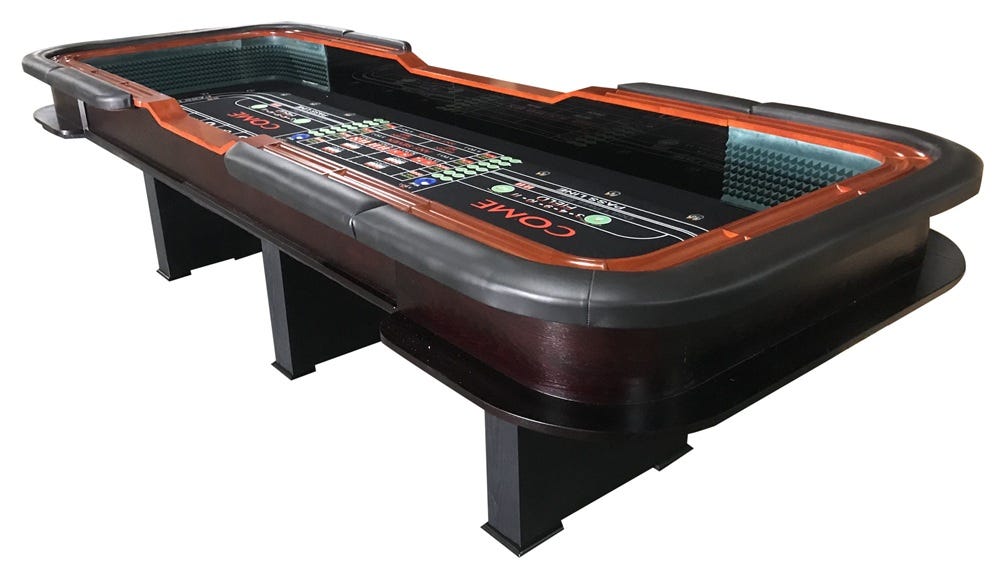
Craps tables are one of the most recognizable features of traditional casino floors. With their unique shape, colorful layouts, and energetic atmosphere, craps tables have become a symbol of social casino gaming around the world. Unlike many other casino games that focus on individual play, craps is known for bringing multiple players together around a single table, creating a lively and interactive experience.
A craps table is specially designed to support the rules, betting options, and fast-paced nature of the dice game. From the layout printed on the surface to the surrounding rails and dealer positions, every element has a specific purpose. Understanding the structure and features of craps tables helps players, casino enthusiasts, and gaming equipment buyers appreciate the craftsmanship behind these iconic gaming setups.
The History and Evolution of Craps Tables
The origins of craps can be traced back to earlier dice games played centuries ago. The modern version of craps developed from a European dice game known as hazard and became popular in North America during the 19th century. As casinos expanded, specially designed craps tables became an essential part of gaming establishments.
Early craps tables were simpler compared with modern designs. Over time, casinos introduced improved layouts, stronger materials, and standardized designs to make the game easier to manage. Today’s craps tables combine traditional appearance with modern manufacturing techniques, allowing casinos and gaming venues to provide a professional gaming environment.
What Is a Craps Table?
A craps table is a specially constructed gaming table used for playing the dice game of craps. It features a long, curved design with raised sides that keep the dice inside the playing area. The surface contains a detailed betting layout that displays different wagering areas and instructions.
Unlike regular card tables or roulette tables, craps tables are built around the movement of dice. The design allows players to roll dice against the far end of the table while dealers manage bets and payouts around the edges.
A standard craps table typically includes:
- A large playing surface with printed betting sections
- Raised padded walls around the table
- Dealer stations for managing the game
- Chip storage areas
- A central area for dice control
- Player positions around the outside edge
Main Parts of a Craps Table
Every part of a craps table serves a practical function. Professional casino tables are carefully designed to handle frequent use while maintaining accuracy and appearance.
The Playing Surface
The playing surface is usually covered with a durable fabric, often made from specialized casino-grade materials. The layout printed on the surface shows different betting areas, including sections for pass line bets, come bets, odds bets, and other wager options.
The design helps players understand where chips should be placed and allows dealers to quickly identify different types of bets.
The Table Walls and Rails
The raised walls around a craps table are an important feature. They are designed to keep dice from leaving the playing area during rolls. The inside walls are often covered with a textured material that affects how dice bounce.
The padded rail around the outside provides comfort for players while also offering a place to organize chips and lean during gameplay.
Dealer Positions
Professional craps tables are operated by multiple casino employees. Each dealer position has a specific responsibility, such as collecting bets, paying winners, and managing game flow.
Typical positions include:
- Boxperson: Supervises the game and manages chips and dice
- Stickperson: Controls the dice and announces rolls
- Base dealers: Handle player bets and payouts
The table design allows each staff member to work efficiently.
Different Types of Craps Tables
Craps tables come in several styles depending on their purpose, location, and audience.
Full-Size Casino Craps Tables
Full-size craps tables are commonly found in major casinos. They are designed for large groups of players and provide the traditional casino experience. These tables can accommodate many players at once and require a spacious gaming area.
Mini Craps Tables
Mini craps tables are smaller versions designed for locations with limited space. They maintain the essential features of a standard craps table but use a more compact design.
These tables are often used in smaller gaming venues, private entertainment spaces, or training environments.
Electronic Craps Tables
Electronic craps tables use digital technology instead of traditional dice and dealers. They allow multiple players to participate through individual terminals or screens.
These systems are designed to provide a faster and more automated gaming experience while maintaining the basic concepts of craps.
Materials Used in Craps Table Construction
High-quality craps tables are made using durable materials designed for long-term use. Casino equipment manufacturers focus on strength, appearance, and player comfort.
Common materials include:
- Hardwood or reinforced composite frames
- Professional-grade felt or cloth surfaces
- Foam padding for rails
- Durable protective coatings
- Metal components for structural support
The quality of materials directly affects the lifespan and performance of the table.
The Importance of Craps Table Layout
The layout of a craps table is one of its most important features. Unlike simple gaming tables, craps tables contain many betting sections that guide players and dealers throughout the game.
A well-designed layout improves:
- Game organization
- Bet identification
- Dealer efficiency
- Player understanding
- Overall table appearance
Casino manufacturers carefully design layouts according to established gaming standards.
Craps Tables in Casinos and Entertainment Venues
Craps tables are most commonly associated with casinos, where they serve as a centerpiece of the gaming floor. Their large size and energetic gameplay often attract groups of players and spectators.
Beyond casinos, craps tables are also used in:
- Gaming training facilities
- Private entertainment rooms
- Corporate events
- Casino-themed parties
- Hospitality venues
These settings may use professional tables or smaller versions depending on their requirements.
How Craps Tables Create a Social Gaming Experience
One of the unique characteristics of craps tables is their ability to bring people together. Players usually stand around the same table, celebrate successful rolls, and participate in the excitement of each round.
The design encourages communication between players, dealers, and spectators. This social element has helped craps maintain popularity despite changes in casino technology and gaming trends.
Buying or Renting a Craps Table
Organizations interested in purchasing a craps table should consider several factors before making a decision.
Important considerations include:
Size Requirements
Full-size tables require significant space, while compact models may be more suitable for smaller locations.
Construction Quality
A well-built table provides better durability and a more authentic experience.
Intended Use
A table designed for professional casino use may have different requirements compared with one intended for entertainment purposes.
Maintenance Needs
Regular cleaning and proper care help protect the surface, rails, and structural components.
Maintenance of Craps Tables
Proper maintenance helps extend the life of a craps table. Regular care includes:
- Cleaning the playing surface
- Inspecting the table structure
- Protecting the felt from damage
- Maintaining rails and padding
- Replacing worn components when necessary
Professional gaming venues often follow strict maintenance schedules to ensure consistent quality.
The Future of Craps Tables
As casino technology continues to develop, craps tables are also evolving. Modern designs combine traditional craftsmanship with digital features, automated systems, and improved materials.
While electronic gaming options continue to grow, traditional craps tables remain popular because of their atmosphere, interaction, and classic casino appeal. The combination of history, design, and social gameplay ensures that craps tables continue to hold an important place in the gaming industry.
Conclusion
Craps tables are more than just gaming furniture. They represent decades of casino tradition, careful engineering, and social entertainment. From their detailed layouts and durable construction to their role in creating exciting group experiences, craps tables remain one of the most distinctive elements of casino gaming.
Whether found in a major casino, entertainment venue, or private collection, a well-designed craps table reflects the craftsmanship and history behind one of the world’s most recognizable dice games.
