Cotter Pins Exporters in India
Author : kunj bhansali | Published On : 28 Sep 2026
Cotter pins are small fastening parts, but they play an important role in many machines and assemblies. They are mainly used to hold bolts, clevis pins, castle nuts, and other parts in place. Their simple design makes them easy to install, remove, and replace.
Cotter pins are commonly used where a secure connection is needed and where parts may experience vibration or movement. They are found in automobiles, agricultural equipment, construction machinery, industrial machines, and many other applications.
What Are Cotter Pins?
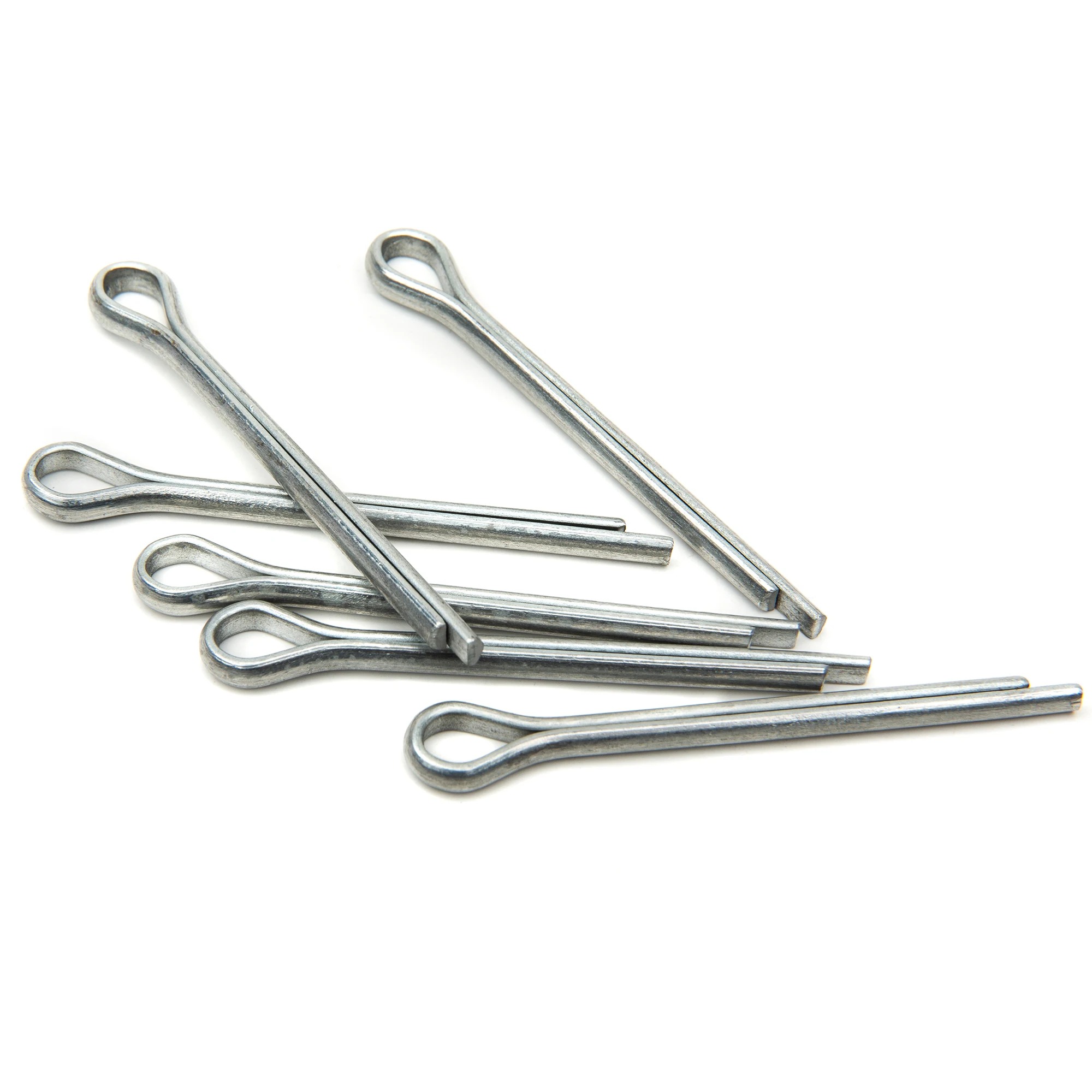
A cotter pin is a metal fastener made from a piece of wire that is bent into a specific shape. The most common design has two legs that can be inserted through a hole in a bolt or pin. After installation, the legs are bent in opposite directions to keep the pin securely in place.
Cotter pins are also known as split pins in many countries. They are simple components, but they provide an effective way to prevent a fastener from coming loose during operation.
How Do Cotter Pins Work?
Cotter pins work by passing through a hole drilled in a bolt, shaft, or pin. Once the cotter pin is inserted, its legs are bent so that it cannot easily come back through the hole.
For example, a castle nut may be tightened onto a bolt or shaft. A cotter pin is then inserted through the hole in the bolt and one of the slots in the castle nut. The legs of the cotter pin are bent to hold the nut in position.
This method provides an additional level of security against loosening caused by vibration or movement.
Common Types of Cotter Pins
Cotter pins are available in different sizes, shapes, materials, and finishes. Some commonly used types include:
Standard Cotter Pins
Standard cotter pins have two straight legs and a rounded head. They are widely used for general fastening applications.
Hairpin Cotter Pins
Hairpin cotter pins have a shape similar to a hairpin. They are often used with clevis pins and shafts where quick installation and removal are required.
R-Type Cotter Pins
R-type pins have a looped design that makes them easy to install and remove by hand. They are often used in agricultural machinery, trailers, and equipment.
Heavy-Duty Cotter Pins
Heavy-duty cotter pins are made for applications that require stronger and more durable fastening. They are commonly used in machinery and heavy equipment.
Materials Used for Cotter Pins
The material used for a cotter pin depends on the application and working environment.
Stainless Steel
Stainless steel cotter pins offer good corrosion resistance. They are suitable for outdoor, marine, and general industrial applications where moisture may be present.
Carbon Steel
Carbon steel cotter pins are commonly used because they offer good strength and are economical. They can also be supplied with different surface finishes for improved corrosion protection.
Galvanized Steel
Galvanized cotter pins have a zinc coating that helps protect the steel from corrosion. They are useful in outdoor applications and environments where moisture is common.
Where Are Cotter Pins Used?
Cotter pins are used in many industries because they are simple and reliable fastening components.
Common applications include:
- Automotive assemblies
- Agricultural machinery
- Construction equipment
- Trailers
- Industrial machines
- Pumps and mechanical equipment
- Hinges and linkages
- Clevis assemblies
- Shafts and axles
- Bolts and castle nuts
- Material handling equipment
They are especially useful in assemblies where vibration or movement could cause a nut or pin to loosen.
Benefits of Cotter Pins
Cotter pins offer several practical benefits.
Simple Installation
Cotter pins can usually be installed with basic hand tools. Their design does not require complicated equipment.
Easy Removal
When maintenance is required, the bent legs can be straightened and the pin can be removed. In many applications, replacing the old pin with a new one is recommended.
Helps Prevent Loosening
Cotter pins help keep nuts, bolts, and pins in their intended position. This is particularly useful in assemblies exposed to vibration.
Cost-Effective
Cotter pins are relatively inexpensive fastening components. They are available in many standard sizes, making them a practical choice for general mechanical work.
Available in Many Sizes
Cotter pins are manufactured in different diameters and lengths. This allows users to select a size that matches the hole and fastener being secured.
Cotter Pins vs Other Locking Methods
Cotter pins are one of several methods used to prevent fasteners from loosening. Depending on the application, alternatives can include lock nuts, safety wires, retaining rings, and spring washers.
The choice depends on the design of the assembly, load conditions, vibration, maintenance requirements, and working environment.
Cotter pins are especially useful when a component already has a suitable cross-hole and a secure but removable locking method is required.
How to Select the Right Cotter Pin
Choosing the correct cotter pin is important for safe and reliable assembly. Consider the following points:
1. Pin Diameter
The diameter should match the hole size and the requirements of the assembly. The pin should fit properly without being excessively loose.
2. Length
The cotter pin should have enough length to pass through the hole and allow its legs to be bent securely.
3. Material
Select the material according to the working environment. Stainless steel may be suitable for applications where corrosion resistance is important, while carbon steel may be suitable for many general-purpose applications.
4. Operating Conditions
Consider vibration, moisture, temperature, chemicals, and mechanical loads before selecting a cotter pin.
5. Standard and Specification
For industrial applications, it is important to check the required dimensions, material, and applicable standard before purchasing.
Proper Installation of Cotter Pins
Installing a cotter pin is generally straightforward.
First, align the holes in the components that need to be secured. Insert the cotter pin through the hole. Make sure the pin passes completely through the assembly.
Next, bend the two legs away from each other around the outside of the fastened component. The bent legs help prevent the pin from coming out.
The pin should be installed properly without excessive bending or damaging the surrounding parts.
Should Cotter Pins Be Reused?
In many applications, cotter pins are treated as single-use fasteners. Once the legs have been bent, straightening and bending them again can weaken the material.
For this reason, it is generally good practice to replace a cotter pin during maintenance rather than repeatedly reusing the same one.
Maintenance and Inspection
Cotter pins should be checked during routine maintenance, especially when they are used in moving equipment.
Look for:
- Corrosion
- Broken or damaged legs
- Excessive bending
- Signs of wear
- Loose installation
- Incorrect size
- Damage around the mounting hole
A damaged or heavily corroded cotter pin should be replaced before the equipment is put back into service.
Conclusion
Cotter pins are small but useful fastening components used to secure nuts, bolts, shafts, clevis pins, and other mechanical parts. Their simple design makes them easy to install and remove, while their locking action helps prevent components from coming loose.
With different sizes, materials, and designs available, cotter pins can be used in automotive, agricultural, construction, and industrial applications. Selecting the correct size and material and installing the pin properly can help provide a secure and reliable connection.
For more details contact us-
[email protected]
Phone-+91-7977945282
Website-https://www.rajgranthfasteners.com/cotter-pins-manufacturers-suppliers-exporters-stockists.html
