Cost-Effective Cloud Infrastructure for Secure Aerospace Data
Author : Ellen Gomes | Published On : 26 Aug 2026
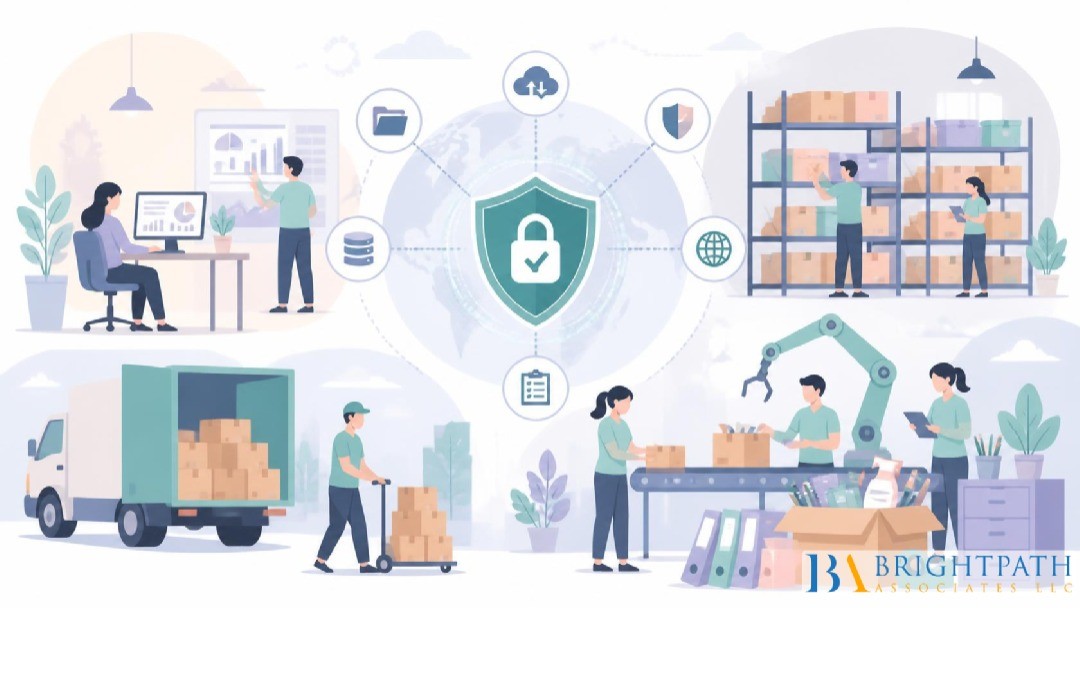
The aerospace and defense sector is entering an era where digital infrastructure is becoming just as important as physical infrastructure. Aircraft systems, engineering workflows, simulation environments, manufacturing operations, supply chains, and mission-related programs increasingly depend on vast quantities of data.
The answer is not necessarily to build the largest or most sophisticated cloud environment. Instead, companies need infrastructure designed around their actual operational requirements, security obligations, data sensitivity, and growth plans. For businesses operating in the Defense and Space Industry, this balance between affordability and security is becoming a strategic consideration.
Aerospace Data Is Too Valuable to Treat Like Ordinary Business Data
Aerospace organizations can manage many types of sensitive information, including engineering documentation, designs, manufacturing specifications, supplier information, program data, test results, customer information, and intellectual property.
Some environments may also involve controlled or regulated information. This makes cloud adoption more complicated than simply moving files from local servers to an online storage environment.
Leadership teams need to understand what data they have, how sensitive it is, who needs access to it, where it should reside, and what controls are required. The first step toward cost-effective cloud infrastructure is therefore not purchasing technology.
Cloud Infrastructure Can Provide Flexibility for Growing Companies
Traditional on-premises infrastructure can require significant capital investment. Organizations may need servers, storage, networking equipment, backup systems, physical facilities, maintenance, security tools, and specialized IT personnel.
Cloud infrastructure can provide an alternative model in which companies use computing and storage resources according to business requirements. For smaller aerospace companies, this flexibility can be particularly attractive.
A growing engineering organization may experience changes in computing demand as projects move through different stages. Simulation, data analysis, collaboration, and testing requirements can fluctuate significantly.
Cloud environments can potentially allow companies to scale resources as needed rather than maintaining excessive capacity at all times. However, flexibility does not automatically mean lower costs. Poorly managed cloud environments can become expensive surprisingly quickly.
The Real Goal Should Be Cost-Optimized Security
A common mistake is to think of cloud security and cost management as competing objectives. In reality, they can support each other. An organization that understands which workloads require the strongest controls can allocate resources more intelligently.
Highly sensitive information may require stronger security configurations, monitoring, access controls, and governance. Less sensitive workloads may not require the same level of infrastructure. This risk-based approach can help organizations avoid spending equally on every system regardless of its importance.
The goal is not to minimize technology spending at all costs. The goal is to achieve the appropriate level of protection for the appropriate level of risk.
Identity Should Be at the Center of Cloud Security
In a modern cloud environment, simply placing systems behind a corporate network perimeter is not enough. Employees, contractors, suppliers, and other authorized users may access systems from different locations and devices.
Identity management therefore becomes critical. Organizations should establish clear rules around who can access particular applications and data. Access should reflect job responsibilities, and privileges should be reviewed regularly.
Multi-factor authentication can provide another layer of protection for sensitive accounts. For aerospace companies, access management also needs to account for the complexity of project teams. A person working on one program may not automatically need access to information associated with another program.
Leadership Must Connect Cloud Strategy With Business Strategy
Cloud infrastructure should not exist as an isolated IT initiative. Executives should understand how cloud investments support engineering, manufacturing, collaboration, customer requirements, cybersecurity, and long-term growth.
Before approving a major cloud project, leadership teams should ask several fundamental questions. What problem are we trying to solve? Which data is most sensitive? Which workloads actually benefit from cloud infrastructure? What security controls are necessary? What will the environment cost over several years? Who will manage it? How quickly can we recover if something goes wrong?
A Smaller Company Does Not Need a Smaller Security Mindset
One of the most important lessons for SMEs is that limited resources do not necessarily justify limited security. Smaller aerospace organizations can be attractive targets precisely because they may possess valuable intellectual property or participate in larger supply chains.
Cyber resilience therefore needs to be built into infrastructure decisions from the beginning. Security should not be an afterthought added after a cloud migration is complete. It should influence architecture, access management, data classification, monitoring, backup strategy, vendor selection, and employee training from the start.
For a deeper discussion of building secure and financially responsible cloud environments for aerospace organizations, explore Cost-Effective Cloud Infrastructure for Secure Aerospace Data. The aerospace industry's digital transformation is unlikely to slow down.
As organizations rely more heavily on simulation, connected manufacturing, digital engineering, artificial intelligence, analytics, and distributed collaboration, the importance of secure infrastructure will continue to increase.
As aerospace organizations modernize their digital infrastructure, they will need leaders and specialized professionals who understand the intersection of cloud technology, cybersecurity, engineering, compliance, and business strategy. If your organization is expanding its technology capabilities and needs specialized technical or executive talent, connect with BrightPath Associates LLC to discuss your hiring requirements.
