Cooling Coils Manufacturers in India
Author : Pratik Sanghavi | Published On : 02 Nov 2026
Cooling Coils play an important role in air conditioning, refrigeration, ventilation, and industrial cooling systems. They help transfer heat from air or other process fluids to a cooling medium, allowing equipment and indoor environments to maintain the required temperature. From commercial buildings and manufacturing facilities to pharmaceutical plants and cold storage units, cooling coils are essential components in systems that require reliable temperature control. Katariyaa Coils Pvt. Ltd. focuses on manufacturing cooling coil solutions designed to meet different industrial and commercial requirements.
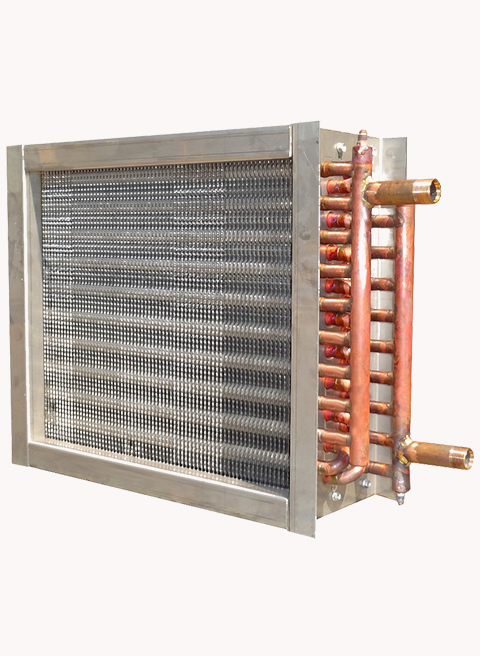
Understanding the Function of Cooling Coils
Cooling Coils operate through heat exchange between the air passing over the coil surface and a cooling medium flowing inside the tubes. Depending on the system design, this medium may be chilled water, a refrigerant, or another suitable fluid. As warm air passes across the coil, heat is absorbed by the cooling medium, reducing the air temperature. In air conditioning applications, the coil may also remove moisture from the air when its surface temperature falls below the dew point.
The performance of a cooling coil depends on several factors, including tube material, fin arrangement, coil dimensions, airflow, fluid flow rate, and operating temperature. Proper selection of these factors helps maintain efficient heat transfer while meeting the system's cooling capacity requirements. Cooling Coils Manufacturers consider the intended application and operating conditions when determining the appropriate coil configuration.
Materials and Construction of Cooling Coils
Copper tubes and aluminium fins are commonly used in cooling coil construction because they provide effective heat transfer and are suitable for many HVAC and refrigeration applications. Copper offers good thermal conductivity and can withstand the operating conditions of appropriately designed systems. Aluminium fins increase the available surface area, allowing heat to transfer more effectively between the air and the tubes.
Cooling Coils Suppliers work with different industries that may require standard coil configurations or custom-designed products. Selecting the correct materials and construction is particularly important in environments such as food processing, pharmaceutical manufacturing, and industrial production, where temperature stability and equipment reliability are essential.
Industrial and Commercial Applications
Cooling Coils are used in a wide range of systems where heat removal and temperature regulation are necessary. In commercial air conditioning systems, they help cool air supplied to offices, shopping centres, hotels, hospitals, and other occupied buildings. In industrial facilities, they support process cooling, equipment temperature management, and controlled air circulation.
Pharmaceutical facilities may use cooling coils in air handling systems to help maintain controlled environmental conditions, subject to the requirements of the overall HVAC system. Cooling Coils Manufacturers in India serve a broad industrial market, supplying components for both standard HVAC equipment and specialised cooling applications.
Factors That Influence Cooling Coil Performance
The performance of a cooling coil is closely connected to its design and operating conditions. A coil with an appropriate heat transfer surface, correctly selected tube dimensions, and suitable fin spacing can support effective cooling without creating unnecessary airflow resistance. Airflow is an important consideration because insufficient or excessive airflow can affect cooling capacity, temperature distribution, and overall system efficiency.
Condensation management is another important aspect of cooling coil selection Regular inspection and cleaning help reduce the effects of dust, dirt, and other deposits that can restrict airflow and reduce heat transfer. Experienced Cooling Coils Suppliers in India can help buyers evaluate these factors before selecting a coil for a new installation or replacement project.
Customisation for Different Cooling Requirements
Not every cooling system operates under the same conditions. Some installations require compact coils that fit into restricted equipment spaces, while others need larger heat transfer surfaces to handle higher cooling loads. Certain applications may also require specific materials, connection arrangements, fin configurations, or tube circuits.
Custom Cooling Coils can be designed according to customer drawings, equipment dimensions, and technical requirements. During the selection process, it is useful to consider the required cooling capacity, entering and leaving air temperatures, fluid specifications, available space, and expected operating pressure. Katariyaa Coils Pvt. Ltd. serves the heating and cooling coil market with solutions for varied commercial and industrial applications.
Export Opportunities for Cooling Coils
Cooling equipment is used across international markets in commercial buildings, industrial plants, refrigeration systems, and specialised manufacturing facilities. Cooling Coils Exporters need to consider technical documentation, packaging, product identification, shipping arrangements, and the destination market's applicable requirements.
Export orders may involve customised dimensions, particular materials, or specific documentation requested by overseas customers. Cooling Coils Exporters in India can serve international buyers looking for Indian-manufactured components for HVAC, refrigeration, and industrial cooling systems. Before confirming an export order, buyers should verify product specifications, quality requirements, delivery schedules, and any relevant import or certification obligations.
Maintenance and Long-Term Reliability
Routine maintenance helps preserve cooling coil performance and supports the reliable operation of the equipment in which the coil is installed. Dust and debris on the fin surface can restrict airflow, while deposits inside the tubes may interfere with fluid circulation. Inspection and cleaning should follow the equipment manufacturer's recommendations and account for the coil material and operating environment.
Technicians should also check for damaged fins, signs of corrosion, leakage, blocked condensate drains, and unusual changes in system performance. Cleaning methods and chemicals must be compatible with the materials used in the coil to avoid unnecessary damage. Correct installation, appropriate operating conditions, and scheduled maintenance can help extend service life and reduce avoidable interruptions.
Conclusion
Cooling Coils are essential components in HVAC, refrigeration, and industrial temperature-control systems. Their effectiveness depends on suitable materials, accurate design, proper airflow, cooling-medium conditions, and regular maintenance.
Katariyaa Coils Pvt. Ltd. serves the cooling coil industry with a focus on commercial and industrial applications. Whether buyers are evaluating Cooling Coils Manufacturers, comparing Cooling Coils Suppliers, or researching Cooling Coils Exporters, careful attention to technical specifications and product suitability can support better purchasing decisions. For domestic projects, Cooling Coils Manufacturers in India and Cooling Coils Suppliers in India offer options to explore, while Cooling Coils Exporters in India provide another sourcing route for international requirements.
Contact Us
Parmar Techno Centre, Phase II, Gala No. 36, Pelhar Village, Nr Vasai Phata, Vasai (E), 401208
+91-9820511832
+91-9833471118
