Construction Project Management Software for Small Businesses in India: A Practical Guide for Contra
Author : RDash AI | Published On : 03 Jul 2026
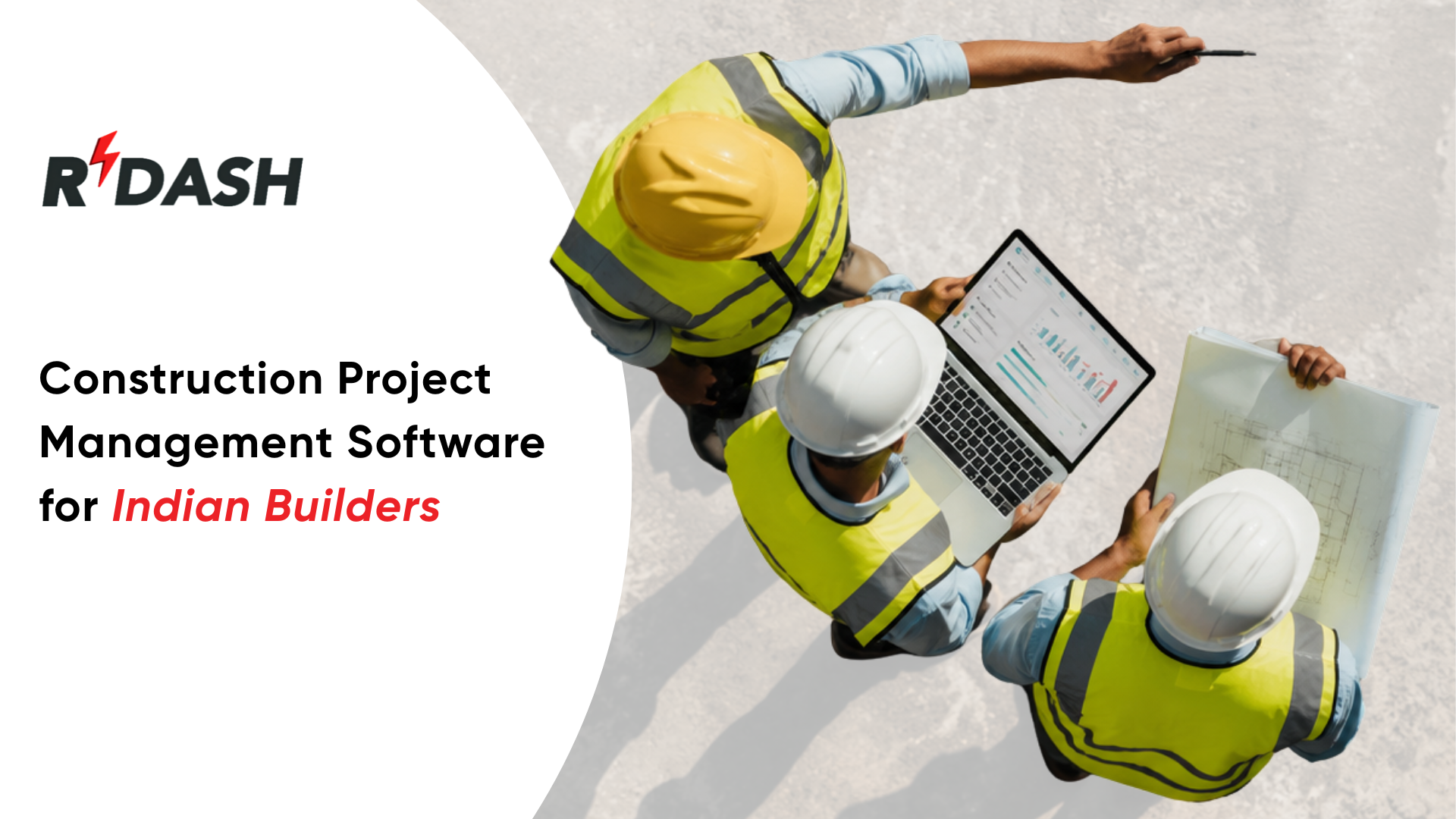
However, most small construction businesses still depend on traditional methods like spreadsheets, phone calls, paper records, and messaging apps to manage day-to-day operations. While these tools may work for very small jobs, they quickly become inefficient as project size and complexity increase.
Construction project management software provides a structured and modern way to manage construction work. It brings planning, execution, communication, and tracking into a single system, helping businesses reduce confusion and improve control over projects.
Why Construction Projects Often Go Off Track
In most cases, project delays and cost overruns are not caused by lack of effort, but by lack of coordination and real-time visibility.
Some common issues include:
- Teams working with outdated information
- Poor coordination between site and office staff
- Untracked changes in design or scope
- Delayed communication between stakeholders
- Lack of visibility into material and labour usage
- Difficulty managing multiple ongoing projects
When information is scattered across different channels, decisions become slower and errors increase, directly affecting timelines and profitability.
What Construction Project Management Software Does
Construction project management software is designed to centralize all project activities into one digital platform.
Instead of using separate tools for scheduling, budgeting, documentation, and communication, everything is managed in one place.
It typically supports:
- Project planning and scheduling
- Task assignment and monitoring
- Budget and cost tracking
- Daily site updates and reporting
- Document storage and version control
- Team collaboration and communication
- Progress tracking and analytics
The goal is to simplify operations and give teams a clear, real-time view of project status.
Why Small Builders and Contractors Should Use It
1. Real-Time Project Visibility
Contractors can track progress across multiple sites without needing constant site visits or phone calls. This helps identify delays and issues early.
2. Improved Team Alignment
Construction involves multiple participants such as engineers, supervisors, subcontractors, vendors, and clients.
A centralized system ensures everyone is aligned and working with the latest project information.
3. Better Budget Management
One of the biggest risks in construction is losing control over costs.
Software helps track:
- Labour expenses
- Material consumption
- Vendor invoices
- Purchase orders
- Budget vs actual spending
This makes financial control more structured and transparent.
4. Faster Communication Flow
Instead of scattered WhatsApp messages or delayed reports, updates can be shared instantly across teams, including:
- Site photos
- Work progress
- Issues and delays
- Design updates
- Inspection reports
This reduces confusion and improves response time.
5. Centralized Document Handling
Construction projects involve multiple documents such as drawings, contracts, BOQs, and invoices.
Project management software stores everything in one place with proper version control so teams always use updated files.
Key Features Small Businesses Should Focus On
When selecting construction management software, small builders should prioritize features that improve daily operations:
Project Scheduling
Helps plan tasks, milestones, and timelines effectively.
Task Tracking
Assign responsibilities and monitor completion status in real time.
Budget Monitoring
Compares estimated and actual costs to prevent overspending.
Mobile Access
Allows field teams to update progress directly from the site.
Daily Reporting
Records labour, materials, and site activity in a structured format.
Document Control
Ensures all teams access the latest drawings and files.
Dashboards and Reports
Provides clear insights into project health and performance.
How It Changes Construction Operations
With project management software, construction teams move from reactive management to proactive control.
Instead of discovering issues late, they can:
- Spot delays immediately
- Track budget deviations in real time
- Access updated project documents instantly
- Monitor site progress continuously
- Make faster and more informed decisions
This leads to better efficiency and fewer project disruptions.
Choosing the Right Software
Not every tool is suitable for small construction companies. The ideal solution should be:
- Simple and easy to use
- Mobile-friendly for site teams
- Cloud-based for real-time access
- Scalable for future growth
- Cost-effective for small businesses
- Supported by reliable customer service
The right software should reduce workload, not add complexity.
Best Practices for Implementation
To successfully adopt construction project management software:
- Start with one project first
- Train both office and site teams
- Standardize reporting processes
- Encourage daily updates from field teams
- Review dashboards regularly
- Improve workflows based on feedback
Adoption depends on consistent usage, not just installation.
Future of Construction Project Management in India
The construction industry is rapidly evolving with digital transformation. New technologies are reshaping how projects are planned and executed.
Key trends include:
- AI-driven project planning and forecasting
- Automated scheduling systems
- Drone-based site monitoring
- Real-time data dashboards
- Digital construction models and simulations
Early adopters among small construction businesses will have a clear competitive advantage in the coming years.
Conclusion
For small builders and contractors in India, construction project management software is becoming a necessity rather than an option.
It helps bring structure to complex workflows, improves coordination between teams, reduces unnecessary costs, and enhances overall project efficiency.
Whether you are managing residential buildings, commercial projects, or renovation work, adopting the right software can significantly improve productivity and help your business grow in a more organized and scalable way.
