Composite Veneers Dubai: How Is Tooth Shape Selected to Complement Facial Features?
Author : Corner stone | Published On : 26 Oct 2026
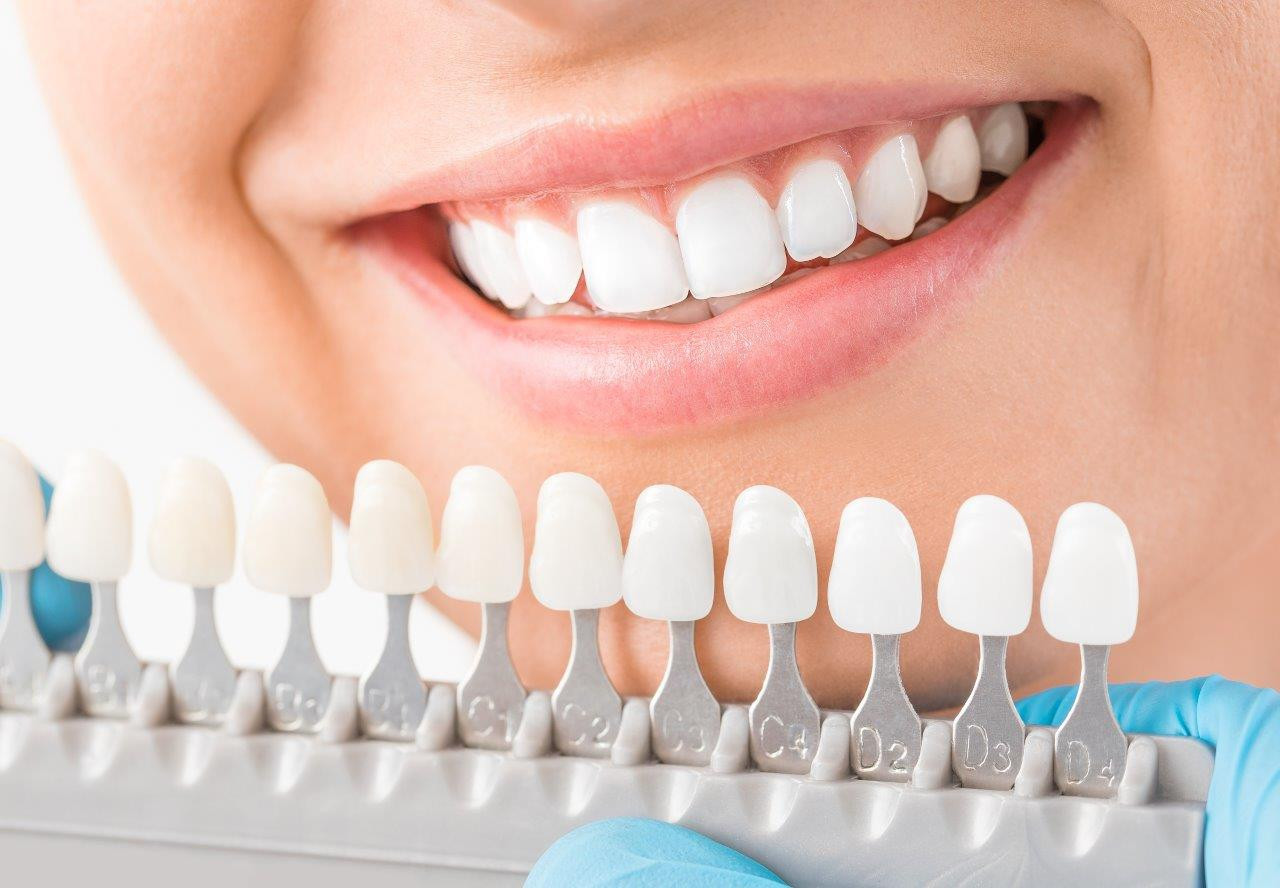
Composite veneers are a popular cosmetic dental option for people who want to improve the appearance of their teeth while maintaining a natural-looking smile. Although colour and alignment often receive the most attention during smile design, tooth shape is equally important. The length, width, curves, edges, and proportions of the teeth can influence how a smile complements the overall appearance of the face.
Choosing the right tooth shape involves more than selecting a style from photographs. Every person has different facial proportions, lip movements, dental characteristics, and aesthetic preferences. A shape that looks balanced on one individual may appear too prominent or too subtle on another. For this reason, careful assessment and personalised planning are essential when considering Composite Veneers Dubai treatments.
At Cornerstone Clinic, understanding the relationship between dental appearance and facial features can help patients make informed decisions about their cosmetic dental goals. By considering facial proportions, existing teeth, smile dynamics, and individual preferences, a dentist can plan composite veneers that support a harmonious and natural-looking result.
Why Does Tooth Shape Matter in Smile Design?
Tooth shape contributes significantly to the overall character of a smile. Teeth with broad, square outlines may create a different visual impression from teeth with rounded corners or narrower proportions. Similarly, longer front teeth can make a smile appear more prominent, while shorter teeth may produce a softer appearance.
The aim of cosmetic dentistry is not necessarily to create perfectly identical teeth. Instead, it is to establish a balanced relationship between the teeth, gums, lips, and face.
When planning composite veneers, dentists consider several characteristics:
- Tooth length: Determines how much of the teeth is visible when smiling and speaking.
- Tooth width: Influences the overall proportions of the front teeth and their relationship with neighbouring teeth.
- Edge shape: Straight, rounded, or slightly curved edges can influence the character of the smile.
- Surface contours: Subtle curves and transitions between surfaces help create a more lifelike appearance.
- Tooth symmetry: Balanced proportions can improve the visual consistency of the smile without requiring every tooth to be identical.
- Spacing and alignment: The position of each tooth affects how its shape is perceived within the dental arch.
These details are assessed together rather than independently. The most suitable design is one that works with the patient's natural features and the condition of their existing teeth.
How Are Facial Features Evaluated Before Choosing Tooth Shape?
Facial assessment is an important part of personalised smile design. Before deciding on the shape of composite veneers, a dentist may examine the face from different angles and observe how the teeth relate to the lips and surrounding features.
Facial Proportions and Overall Balance
The relationship between the width and height of the face can provide useful context when planning tooth proportions. A dentist may consider the overall facial outline, the width of the mouth, and the visibility of the upper front teeth when the patient smiles.
For example, relatively broad front teeth may suit a patient who prefers a more prominent smile, whereas slightly narrower proportions may be appropriate for someone seeking a more understated appearance.
However, facial shape should not be used as a strict rule for choosing dental shapes. Two people with similar facial proportions can have different preferences and natural dental characteristics. Individual assessment remains more useful than applying a standard formula to everyone.
Lip Shape and Smile Line
The lips frame the teeth and influence how much of each tooth is visible during different expressions. A dentist may observe the smile at rest, during a natural smile, and while speaking.
The upper lip can affect the visibility of the upper front teeth, while the lower lip may influence how the edges of the upper teeth appear during smiling. Tooth shape and length should therefore be considered in relation to lip movement.
A design that appears attractive when the mouth is open may look different during everyday conversation. Assessing these movements helps the dentist plan a smile that looks appropriate in more than one position.
Jawline and Facial Symmetry
The jawline and overall facial symmetry can also inform smile design. The aim is not to make the teeth imitate the exact outline of the face but to create visual balance between the smile and surrounding features.
For instance, a patient with a naturally strong facial structure may prefer more defined tooth contours, while another patient may favour softer edges. Both approaches can be appropriate when the final design respects the patient's dental anatomy and personal preferences.
Which Tooth Shapes Are Commonly Considered for Composite Veneers?
Tooth shapes are often described using general categories, such as square, oval, rectangular, and rounded. These descriptions provide a starting point for discussion rather than a fixed set of rules.
Square Tooth Shapes
Square-shaped teeth generally have relatively straight sides and more defined corners. Their appearance can create a structured, defined smile.
Some patients prefer this style because it offers a clear outline to the front teeth. However, the width, length, and degree of corner definition must be carefully considered. Excessively broad or angular teeth may look disproportionate if they do not suit the existing dental arch.
A dentist may soften the corners slightly to retain definition while creating a more natural transition between the tooth edges and sides.
Oval and Rounded Tooth Shapes
Oval-shaped teeth usually feature softer contours and more rounded corners. This style may appeal to patients who prefer a gentle, subtle smile.
Rounded contours can also help soften the overall appearance of the front teeth. Nevertheless, the design should not make the teeth appear unnecessarily narrow or short.
The dentist considers the patient's natural tooth shape and facial proportions before deciding how much rounding is appropriate.
Rectangular Tooth Shapes
Rectangular teeth are typically longer in appearance relative to their width. Depending on the proportions, this shape may create a more elongated smile.
The suitability of this design depends on several factors, including the length of the existing teeth, the amount of tooth visible when smiling, and the relationship between the front teeth and the lips.
Careful planning helps prevent the teeth from appearing excessively long or visually disconnected from the rest of the smile.
Combining Different Shapes for a Natural Result
Natural teeth are rarely identical in shape. The central incisors, lateral incisors, and canine teeth have distinct roles in the appearance of the smile.
Central incisors often provide the main visual focus, while lateral incisors may have slightly different proportions. Canines help define the transition towards the back of the dental arch.
Rather than giving every tooth the same outline, a dentist may preserve these differences when designing composite veneers. This approach can create a more realistic result while maintaining overall harmony.
How Are Tooth Length and Width Determined?
Selecting an appropriate shape requires attention to the relationship between tooth length and width. If either measurement is changed without considering the other, the teeth may appear too wide, too narrow, too short, or too long.
The dentist evaluates the existing teeth, their visible proportions, the available space, and the intended cosmetic changes. The patient's bite and the way the teeth meet are also important considerations.
For example, adding too much material to the biting edges may interfere with normal contact between the upper and lower teeth. Similarly, increasing tooth width without considering neighbouring teeth can affect the appearance of spacing and alignment.
The preferred design should therefore balance aesthetic goals with functional requirements. Composite material can be shaped to adjust selected contours, but the extent of change depends on the existing tooth structure and the patient's individual circumstances.
What Role Does Tooth Colour Play in Perceived Shape?
Tooth colour and tooth shape work together to influence the final appearance of a smile. Even when two teeth have similar dimensions, differences in brightness, shading, and surface contours can make them appear different in size or prominence.
Lighter teeth may appear more noticeable, while natural variations in shading can help define their contours. The reflection of light across curved surfaces also contributes to the perception of depth.
When planning Composite Veneers in Dubai, colour selection should complement the intended tooth shape rather than being treated as a separate decision. The dentist considers the surrounding teeth, the patient's preferred shade, and the overall appearance of the smile.
An excessively uniform colour or overly smooth surface may produce an artificial appearance. Subtle variations in contour and carefully considered shading can help composite restorations blend more naturally with the surrounding dentition.
How Do Existing Teeth Influence Composite Veneer Design?
The condition and shape of the natural teeth provide the foundation for treatment planning. Some patients want to address small chips or uneven edges, while others are concerned about minor gaps, irregular contours, or differences in tooth proportions.
The dentist examines the existing teeth to determine which areas may benefit from reshaping with composite material. The assessment may include the position of the teeth, the amount of available enamel, the gum line, and the relationship between the upper and lower arches.
If the natural teeth already have balanced proportions, relatively small adjustments may be sufficient. Where more noticeable changes are desired, the dentist must determine whether the requested shape can be achieved appropriately with composite veneers.
Not every aesthetic concern requires veneers. In some cases, other options, such as orthodontic treatment or tooth contouring, may be worth discussing. The most suitable approach depends on the nature of the concern and the condition of the teeth.
How Does the Smile Design Process Work?
A structured consultation helps translate the patient's preferences into a practical treatment plan.
Initial Consultation and Assessment
The process usually begins with a discussion of the patient's concerns, expectations, and preferred smile appearance. The dentist examines the teeth and gums and considers any existing dental work.
Photographs, dental impressions, or digital scans may be used where appropriate to assess tooth proportions and plan the intended changes.
Discussing Shape Preferences
Patients may bring reference photographs to explain the appearance they like. These examples can help communicate preferences for tooth length, edge definition, and overall smile style.
However, a particular design cannot always be reproduced exactly because natural tooth structure, facial proportions, and dental function differ between individuals. The dentist helps identify which features may be suitable for the patient's circumstances.
Planning and Refining the Design
The proposed tooth shapes are considered in relation to neighbouring teeth and the overall smile. Depending on the clinical approach, the dentist may use photographs, digital planning, or a mock-up to help illustrate the intended appearance.
This stage provides an opportunity to discuss whether the design feels too prominent, too rounded, or too long before proceeding.
Applying and Shaping the Composite Material
During treatment, the dentist applies tooth-coloured composite resin to selected areas and shapes it according to the agreed plan. The material is hardened using a curing light and then refined to establish the intended contours.
Final adjustments may be made to the edges, surface texture, and bite. These steps help the restorations integrate with the surrounding teeth and feel comfortable during normal use.
How Can Patients Prepare for a Composite Veneer Consultation?
Preparation helps patients communicate their preferences clearly and understand the available options.
Before an appointment, it may be helpful to consider which aspects of the smile feel most important. Some patients want a brighter appearance, while others are more concerned about uneven edges, tooth proportions, or small gaps.
Patients can also prepare questions about the proposed shape, the amount of composite material required, maintenance, and how the design will work with their existing teeth.
It is important to communicate preferences without assuming that a particular style will automatically suit every facial feature. An experienced dental professional can explain the available choices and help establish realistic expectations.
Good oral hygiene and healthy gums are also important foundations for cosmetic dental treatment. Any existing dental concerns should be assessed before the final veneer plan is confirmed.
Conclusion
Selecting tooth shape for composite veneers involves much more than choosing between square, oval, or rectangular teeth. Facial proportions, lip movement, tooth length, width, natural contours, colour, and dental function all contribute to the final appearance of a smile.
A personalised approach helps ensure that the proposed design complements the patient's existing features instead of imposing a standardised look. Small adjustments to tooth edges and proportions may be enough to create a more balanced appearance, while more extensive changes require careful evaluation.
For patients considering Composite Veneers Dubai, a detailed consultation at Cornerstone Clinic can help clarify the available options and establish a treatment plan based on individual dental needs and aesthetic preferences. The objective is to create a smile that looks harmonious, feels comfortable, and reflects the patient's preferred appearance while respecting natural tooth structure.
Frequently Asked Questions
1. How is tooth shape selected for composite veneers?
Tooth shape is selected by evaluating facial proportions, natural tooth dimensions, lip movement, smile line, and the patient's aesthetic preferences. The dentist also considers bite alignment and the relationship between neighbouring teeth.
2. Which tooth shape looks the most natural with composite veneers?
There is no single tooth shape that looks natural on everyone. Square, oval, rectangular, and rounded designs can all look appropriate when their proportions complement the existing teeth and the patient's overall appearance.
3. Can composite veneers change the length of my front teeth?
Composite veneers can sometimes be used to adjust the visible length of front teeth by adding material to selected areas. The suitability of this approach depends on the existing tooth structure, bite, and intended degree of change.
4. Are composite veneers suitable for every facial shape?
Composite veneers are not selected solely according to facial shape. The dentist considers facial proportions alongside dental anatomy, oral health, functional requirements, and personal preferences to determine whether treatment is suitable.
5. Can I choose the shape of my composite veneers?
Patients can discuss their preferred tooth shape and share reference photographs during the consultation. The dentist then explains which features can be adapted to suit their natural teeth and whether the requested design is clinically appropriate.
6. Do all teeth need to have the same shape?
No. Natural teeth vary in shape and proportion according to their position in the dental arch. Preserving appropriate differences between central incisors, lateral incisors, and canines can help create a more realistic smile.
7. How does tooth colour affect the appearance of composite veneers?
Colour, shading, and surface contours influence how the teeth reflect light and how prominent they appear. Choosing a suitable shade alongside the intended tooth shape can help the restorations blend with the surrounding teeth.
8. How long does the composite veneer process take?
The treatment time depends on the number of teeth involved, the complexity of the design, and the amount of shaping required. Some cases can be completed in one appointment, while others may require additional planning or visits.
9. Can composite veneers correct uneven tooth edges?
Composite resin can often be used to improve minor differences in tooth edges and contours. The dentist assesses the cause and extent of the unevenness before recommending an appropriate approach.
10. What should I discuss during a composite veneer consultation in Dubai?
Discuss your preferred smile appearance, concerns about tooth shape, desired colour, existing dental conditions, maintenance requirements, and treatment expectations. These details help the dentist develop a personalised plan that considers both appearance and function.
