Common Roofing Issues Found During an Infrared Roof Inspection in Fort Worth
Author : 911 Exteriors | Published On : 21 Aug 2026
Roof problems are not always easy to see. A small leak may stay hidden for weeks. Moisture can also collect under roofing materials without leaving a clear mark.
An infrared roof inspection in Fort Worth can help spot these hidden concerns. It uses thermal imaging to find unusual temperature changes on the roof. This can help an inspector find areas that need a closer look.
For homeowners, early detection can make it easier to decide whether a roof needs repair, more testing, or routine care.
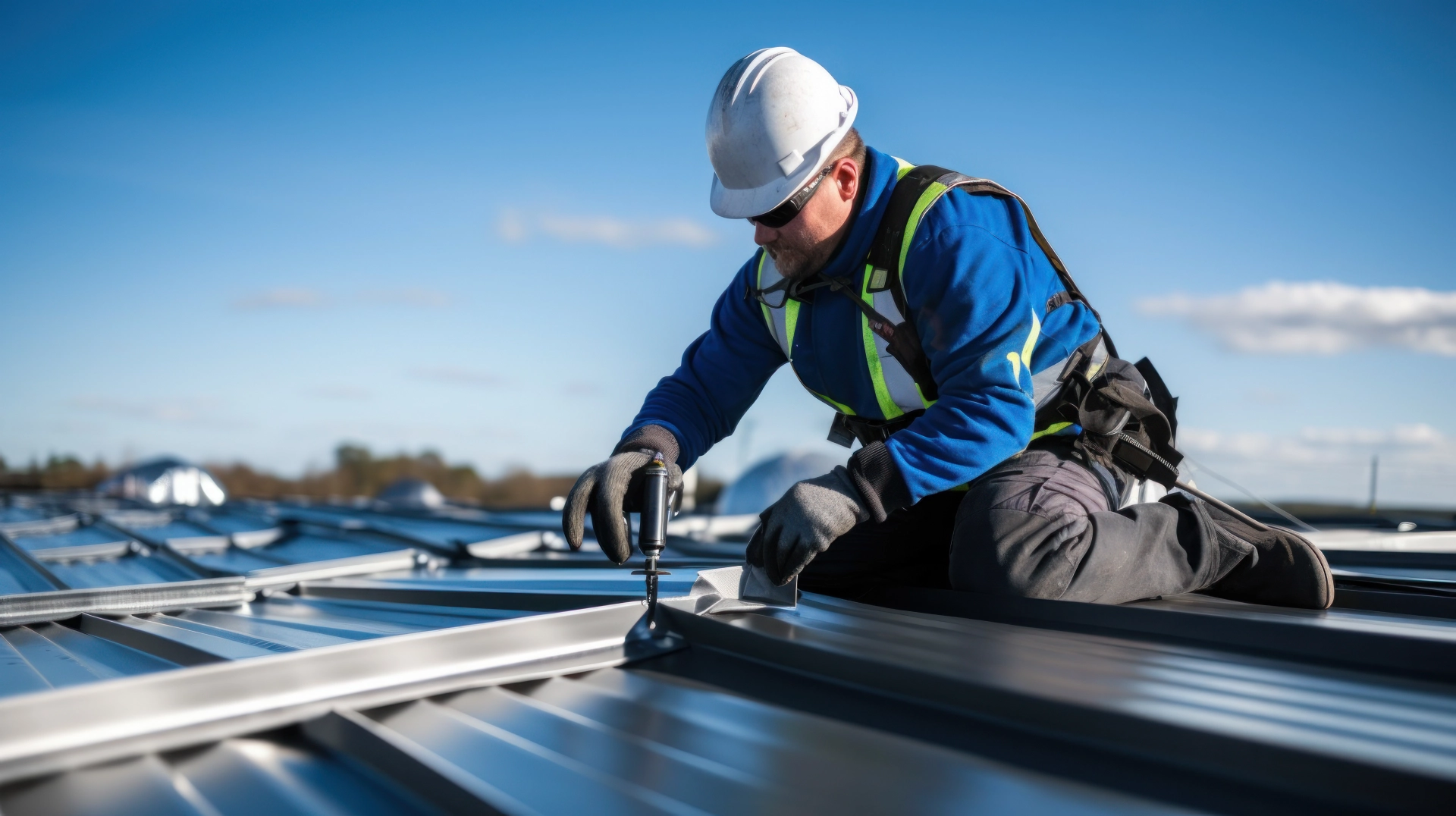
What Is an Infrared Roof Inspection?
An infrared roof inspection in Fort Worth uses a thermal camera to scan the roof. The camera shows temperature differences across the roof surface.
These differences can point to areas with possible moisture or insulation problems. However, a thermal scan does not confirm damage by itself. A closer inspection is often needed to find the exact cause.
What Roofing Issues Can Infrared Inspection Find?
1. Hidden Roof Moisture- Moisture is one of the most common concerns during a thermal roof scan. Water can become trapped below roofing materials. It may not be visible from the ground or inside the home. A thermal camera can show areas that hold heat or cool at a different rate than nearby sections. These spots can then be checked more closely.
2. Roof Leaks- A roof leak may not appear directly below the damaged area. Water can move along roof layers before reaching the ceiling. This can make the source of a leak hard to find. An infrared scan may help locate areas that need further testing.Finding a leak early can also help prevent more damage to roofing materials and other parts of the home.
3. Wet Insulation- Roof insulation can become wet when water enters the roof system. Wet insulation may behave differently from dry insulation. Thermal imaging can help identify unusual temperature patterns in these areas. An inspector can then check the area to see if moisture is present.
4. Areas With Storm Damage- Fort Worth roofs can face strong weather throughout the year. Hail, wind, rain, and high heat can all affect roofing materials. Some damage is easy to spot. Other problems may need a closer inspection. An infrared scan can add useful information after a major storm. It can help identify areas that may need further attention.
5. Roofing Material Problems- Old or damaged roofing materials can allow water to enter the roof system. Missing shingles, damaged flashing, and worn areas can all create problems. Infrared imaging should not replace a visual inspection. Instead, it works as an additional tool. Using both methods can give a clearer picture of the roof's condition.
Why Combine Infrared and Visual Roof Inspections?
Thermal imaging shows temperature changes. It does not tell the full story on its own.
A complete roof inspection can also check:
- Shingles and other roofing materials
- Flashing around roof openings
- Signs of water damage
- Roof drainage areas
- Gutters
- Attic areas
- Storm-related damage
- Possible moisture problems
Using several inspection methods can help identify both visible and hidden concerns.
For Fort Worth homeowners, professional roofing services in Fort Worth, TX can help determine what type of inspection is suitable for the roof.
When Should You Get an Infrared Roof Inspection?
An infrared roof inspection may be useful when you notice signs of a possible roof problem.
You may want to consider an inspection if:
- You notice water stains on a ceiling.
- A roof leak keeps coming back.
- Your home recently had storm damage.
- You suspect moisture under the roof.
- Your roof has visible signs of wear.
- You want to check a roof before planning repairs.
A professional inspection can help identify areas that need more attention before you decide on repair work.
Key Takeaways
- Infrared inspections can help find possible hidden moisture.
- Thermal imaging can point to areas that need further testing.
- Roof leaks may be difficult to locate with a visual check alone.
- Wet insulation can cause unusual temperature patterns.
- Storm damage may require more than a basic visual inspection.
- Infrared scanning works best when combined with other inspection methods.
Frequently Asked Questions
What does an infrared roof inspection detect?
An infrared roof inspection detects unusual temperature patterns across a roof. These patterns may point to moisture, wet insulation, or other areas that need a closer inspection. Thermal imaging does not confirm a problem by itself. The suspected area should be checked with other inspection methods.
Can an infrared camera find a roof leak?
An infrared camera can help locate areas that may be linked to moisture. However, it does not directly show the path of a roof leak. An inspector may need to examine shingles, flashing, roof layers, and other areas to find the source.
Is infrared roof inspection better than a visual inspection?
The two methods serve different purposes. A visual inspection checks visible roof conditions. Infrared imaging can show temperature differences that may point to hidden concerns. Using both methods can provide more information about the roof.
When should I schedule a roof inspection in Fort Worth?
You can schedule an inspection when you notice leaks, water stains, damaged roofing materials, or other concerns. An inspection can also be useful after severe weather. Regular checks can help identify problems before they become harder to address.
Can infrared inspection find wet insulation?
Yes, thermal imaging may show temperature patterns linked to wet insulation. The area should still be checked by an inspector to confirm whether moisture is present and determine the cause.
Does an infrared scan replace a roof inspection?
No. An infrared scan is an inspection tool, not a complete replacement for a roof inspection. A professional should review thermal images along with visible roof conditions and other findings.
Conclusion
Hidden roof problems can be difficult to find with a basic visual check. An infrared roof inspection in Fort Worth can help identify unusual temperature patterns that may point to moisture or other concerns.
If you notice leaks, water stains, storm damage, or signs of roof wear, a professional inspection can help you understand the condition of your roof.
Learn more about Fort Worth roof inspection services from 911 Exteriors and find out what inspection options may be right for your property
