Commercial Fire Exit Doors: Essential Safety Solutions for Modern Commercial Buildings
Author : DJ Commercial Door | Published On : 02 Nov 2026
Safety should always be a top priority in commercial buildings. Whether you manage an office, warehouse, retail store, restaurant, school, or industrial facility, having reliable emergency exit systems is essential for protecting employees, customers, and visitors. During an unexpected fire or other emergency, properly installed exit doors can help people leave the building quickly and safely.
Commercial Fire Exit Doors play an important role in building safety by providing designated escape routes and helping prevent fire and smoke from spreading into protected areas. Choosing the right doors, maintaining their hardware, and ensuring they operate correctly can make a significant difference during an emergency.
DJ Commercial Door understands the importance of dependable commercial door solutions and the role that properly functioning fire doors play in workplace safety.
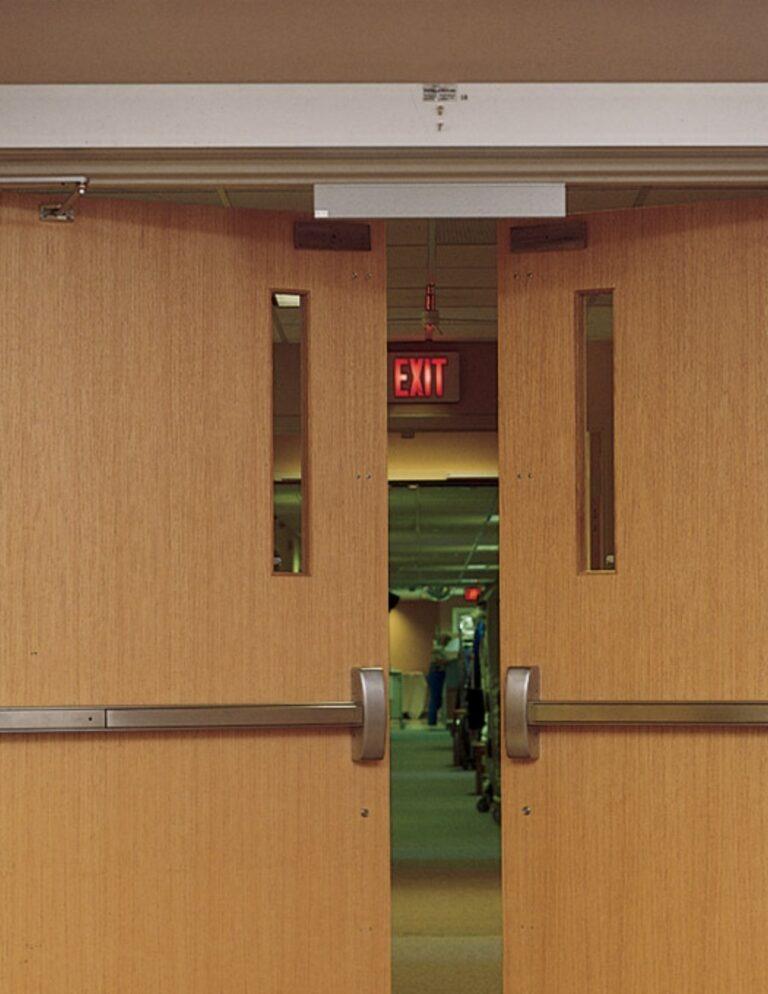
Why Are Commercial Fire Exit Doors Important?
Fire emergencies can happen without warning. Smoke, flames, and panic can make it difficult for people to find a safe way out. Clearly identified and accessible emergency exits help occupants evacuate without unnecessary delays.
Installing suitable commercial fire exit doors offers several important benefits:
1. Improved Building Safety
Fire-rated doors are designed to resist fire for a specified period when installed as part of an approved door assembly. They help limit the spread of fire and smoke, protecting designated escape routes and giving occupants additional time to evacuate.
2. Safe Emergency Evacuation
Emergency exits provide designated routes for people leaving a building. Doors should be easy to operate from the inside and should not require keys, tools, or special knowledge to open where applicable safety requirements prohibit such restrictions.
3. Protection for Employees and Visitors
Commercial properties often accommodate large numbers of people. Functional exit doors help businesses maintain safer environments for employees, customers, contractors, and visitors.
4. Better Fire Safety Management
Properly selected and maintained fire doors support a building's wider fire protection strategy. They work alongside alarms, sprinklers, emergency lighting, and clearly marked evacuation routes.
Understanding Commercial Emergency Exit Doors
Commercial Emergency Exit Doors are designed to provide a reliable way out of a building during unexpected situations. They are commonly installed in offices, manufacturing facilities, warehouses, shopping centers, healthcare buildings, and other commercial properties.
These doors may include different operating mechanisms depending on the building layout, occupancy, and applicable safety requirements.
Some common options include:
-
Panic Bar Doors: These doors use a horizontal push bar that allows occupants to open the door quickly during an emergency.
-
Fire-Rated Doors: Specially tested door assemblies designed to provide a specified level of fire resistance.
-
Steel Emergency Doors: Strong door options commonly used in commercial and industrial environments.
-
Double Exit Doors: Suitable for certain wider openings where building design and occupancy requirements call for additional exit capacity.
-
Single Commercial Exit Doors: Used in smaller openings where an appropriately sized exit is required.
The right door depends on the property's requirements, expected occupancy, building design, and local fire safety regulations.
Key Features to Consider When Choosing Commercial Exit Doors
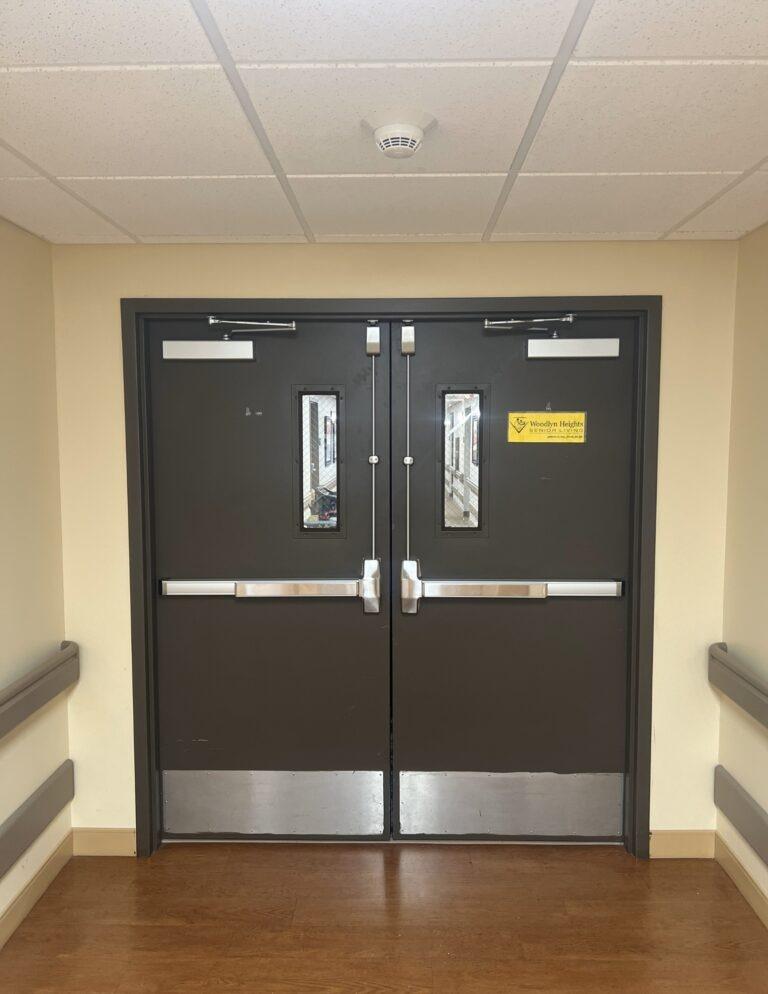
Selecting Commercial Exit Doors involves more than choosing a suitable size or appearance. Businesses should consider several important features before installation.
1. Fire Resistance Rating
If a door is required to provide fire protection, it must have an appropriate fire resistance rating for its intended location. The rating should match the building's approved fire protection design and applicable regulations.
2. Reliable Exit Hardware
Door hardware must operate smoothly and allow occupants to leave without unnecessary difficulty. Panic hardware, handles, hinges, and closing mechanisms should be suitable for the door and its intended use.
3. Proper Door Swing
The direction in which an exit door opens can affect evacuation safety. Certain buildings and rooms require doors to swing in the direction of exit travel, depending on occupancy and hazard conditions.
4. Clear Exit Identification
Exit signs and emergency lighting help occupants identify escape routes. Doors and surrounding areas should remain visible and free from obstructions.
5. Durable Construction
Commercial doors experience frequent use. Choosing suitable materials and reliable hardware helps support long-term performance, particularly in busy workplaces and industrial facilities.
Common Problems That Affect Commercial Fire Exit Doors
Even a properly installed door can become unreliable without regular maintenance. Businesses should pay attention to warning signs that indicate a door may need professional inspection or repair.
Some common problems include:
-
Damaged or loose door hinges.
-
Faulty panic bars or locking hardware.
-
Doors that do not close properly.
-
Misaligned door frames.
-
Damaged seals or other fire door components.
-
Doors that become difficult to open.
-
Broken or malfunctioning closing mechanisms.
-
Obstructions preventing doors from opening fully.
Ignoring these problems can affect emergency evacuation and compromise the intended performance of fire protection systems.
Businesses should arrange professional repairs when they notice any damage or operating issues.
Why Regular Maintenance of Commercial Exit Doors Matters
Regular inspections help identify problems before they become serious safety concerns. Commercial properties should establish a maintenance routine based on door type, manufacturer recommendations, applicable regulations, and building safety requirements.
Important maintenance considerations include:
Check Door Hardware: Inspect handles, panic bars, hinges, locks, and other operating components to ensure they function correctly.
Inspect Door Frames: Look for visible damage, loose fittings, gaps, or alignment problems that could affect operation.
Test Closing Mechanisms: Fire doors designed to close automatically should be checked to ensure their closing mechanisms work properly.
Keep Exit Routes Clear: Never allow furniture, boxes, equipment, or stored materials to block emergency exits.
Arrange Professional Inspections: Qualified professionals can assess door condition, identify repair requirements, and help maintain the intended safety performance of door assemblies.
Consistent maintenance helps keep commercial doors dependable and supports a safer working environment.
Choosing a Reliable Commercial Door Service Provider
Finding the right commercial door service provider is an important part of maintaining building safety. Businesses should work with professionals who understand commercial door systems, hardware, installation requirements, and repair needs.
Before choosing a provider, consider their experience with commercial door solutions, ability to identify operational problems, understanding of fire door requirements, and approach to maintenance and repairs.
DJ Commercial Door provides commercial door solutions to help businesses maintain functional and dependable door systems. Whether your property needs attention for damaged hardware, door alignment, or general commercial door concerns, professional support can help address problems before they affect daily operations.
Protect Your Business with Properly Maintained Exit Doors
Commercial fire safety requires careful planning, suitable equipment, and consistent maintenance. Reliable commercial fire exit doors and emergency exit systems help occupants access designated escape routes when unexpected situations occur.
From selecting suitable door assemblies to checking hardware and maintaining clear exit pathways, every detail contributes to a safer commercial property.
Do not overlook damaged or malfunctioning exit doors. Contact DJ Commercial Door to discuss your commercial door requirements and help keep your property's door systems operating reliably.
Visit DJ Commercial Door to learn more about commercial fire door solutions.
FAQs
1. What are commercial fire exit doors?
They are commercial door systems designed to support safe evacuation and, when appropriately fire-rated, help resist the spread of fire.
2. What is the difference between fire doors and emergency exit doors?
Fire doors are designed to resist fire for a specified period, while emergency exit doors provide a route for occupants to leave a building safely. Some doors serve both purposes.
3. Why are panic bars used on commercial exit doors?
Panic bars allow occupants to open doors quickly by pushing a horizontal bar, supporting easier emergency evacuation.
4. How often should commercial fire exit doors be inspected?
Inspection frequency depends on applicable regulations, door type, and manufacturer recommendations. Regular checks and professional inspections are important.
5. Can damaged commercial exit doors affect building safety?
Yes. Damaged hardware, faulty closing mechanisms, and blocked exits can interfere with safe evacuation and compromise fire door performance.
