Coal Tar Epoxy: The Durable Pipe Coating for Extreme Conditions
Author : IWL India | Published On : 02 Apr 2026
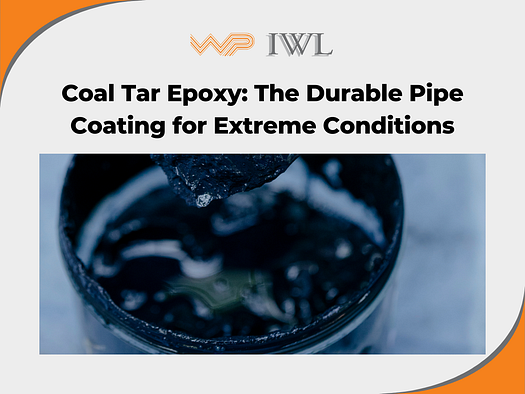
In industries where pipelines are exposed to harsh environments, selecting the right protective coating is critical for ensuring long-term performance and durability. Coal tar epoxy has emerged as one of the most reliable and widely used coatings for protecting steel pipelines, especially in extreme conditions. Known for its exceptional resistance to moisture, chemicals, and corrosion, coal tar epoxy is a preferred choice in sectors such as oil and gas, water treatment, and marine infrastructure.
Coal tar epoxy is a two-component coating system composed of epoxy resin and refined coal tar. When combined, these components create a tough, impermeable layer that adheres strongly to metal surfaces. This coating acts as a barrier, preventing water, oxygen, and corrosive agents from reaching the steel substrate. As a result, it significantly extends the life of pipelines, even when they are buried underground or submerged in water.
One of the primary advantages of coal tar epoxy is its superior corrosion resistance. Pipelines often operate in environments where they are exposed to soil chemicals, saltwater, industrial waste, and fluctuating temperatures. Without proper protection, these factors can lead to rapid deterioration. Coal tar epoxy forms a dense, protective film that resists chemical attack and prevents rust formation, ensuring that pipelines remain structurally sound for years.
Another key benefit is its excellent water resistance. In applications such as wastewater systems, offshore pipelines, and underground installations, constant exposure to moisture is unavoidable. Coal tar epoxy coatings are highly resistant to water penetration, making them ideal for such conditions. This property not only prevents corrosion but also maintains the integrity of the pipeline over time.
Durability is another defining feature of coal tar epoxy coatings. Once cured, the coating becomes hard and abrasion-resistant, allowing it to withstand mechanical stress during transportation, installation, and operation. This makes it particularly suitable for pipelines that are subject to heavy loads, soil movement, or external impacts. The coating’s toughness reduces the risk of damage, minimizing maintenance and repair costs.
Coal tar epoxy is also valued for its strong adhesion to steel surfaces. Proper surface preparation, such as abrasive blasting, ensures that the coating bonds effectively with the substrate. This strong adhesion prevents peeling, cracking, or delamination, even under extreme conditions. As a result, the coating remains intact and continues to provide reliable protection throughout the pipeline’s service life.
In addition to its protective qualities, coal tar epoxy is relatively cost-effective compared to other high-performance coatings. Its long lifespan and low maintenance requirements make it a practical choice for large-scale projects. Industries can achieve significant savings by reducing the frequency of repairs and replacements, while also ensuring uninterrupted operations.
Coal tar epoxy is commonly used in a variety of applications, including underground pipelines, storage tanks, marine structures, and wastewater treatment facilities. In the oil and gas industry, it is widely applied to pipelines that transport crude oil, natural gas, and refined products. Its ability to withstand harsh environmental conditions makes it an essential component in ensuring the safe and efficient operation of these systems.
However, it is important to note that proper application is crucial for achieving optimal performance. The surface must be thoroughly cleaned and prepared to remove rust, grease, and contaminants. The coating should be applied in controlled conditions, following manufacturer guidelines for mixing, thickness, and curing time. When applied correctly, coal tar epoxy provides a uniform, defect-free layer that delivers maximum protection.
Despite its many advantages, coal tar epoxy does have some limitations. It may not be suitable for applications involving high temperatures beyond its tolerance range. Additionally, due to environmental and health concerns associated with coal tar, some regions have regulations governing its use. In such cases, alternative coatings may be considered, depending on the specific requirements of the project.
For those interested in exploring more about pipeline protection and coating solutions, you can visit:
In conclusion, coal tar epoxy remains a trusted and effective solution for protecting pipelines in extreme conditions. Its excellent resistance to corrosion, water, and chemicals, combined with its durability and cost-effectiveness, make it a preferred choice across multiple industries. By investing in high-quality coatings like coal tar epoxy, companies can ensure the longevity, safety, and efficiency of their pipeline systems, even in the most demanding environments.
