CNC Machine Operation and Broaching Machines for Modern Manufacturing
Author : Asset Trade | Published On : 14 Aug 2026
A single incorrect machine setting can turn an expensive piece of metal into unusable scrap within minutes. That reality explains why operating a cnc machine requires more than pressing buttons and watching automated movements. CNC machining combines digital instructions, mechanical precision, tooling knowledge, and careful supervision to produce consistent components. Modern manufacturers depend on these systems for repeatable production, complex geometries, and efficient material use. Understanding machine operation is therefore important for anyone involved in manufacturing, particularly when selecting equipment, preparing programs, monitoring production, or maintaining reliable machining standards across demanding industrial applications.
Understanding CNC Machine Operation
CNC machines follow programmed instructions that control movements, cutting speeds, feed rates, tool changes, and other machining functions. Before production begins, operators normally review technical drawings, verify dimensions, select suitable tooling, and confirm that the program matches the intended component. Proper setup is essential because even a small alignment error can affect accuracy. During machining, attention remains important despite automation, since unusual sounds, excessive vibration, tool wear, or unexpected surface conditions may indicate problems. Skilled operation combines digital control with practical judgment, helping maintain quality while reducing unnecessary downtime and material waste.
Safety and Preparation Before Production
Safe CNC machining begins before the spindle starts rotating. Operators should inspect workholding equipment, cutting tools, guards, coolant systems, emergency controls, and the machine's general condition. Correctly securing the workpiece prevents movement that could damage equipment or create hazardous conditions. Programs should also be checked carefully, particularly when a new component is introduced. A controlled test or simulation can help identify programming mistakes before full production begins. Personal protective equipment and established workplace procedures remain important throughout the process. Good preparation creates a safer environment while also supporting dimensional accuracy, consistent production, and longer equipment service life.
Choosing Broaching Equipment for Specific Applications
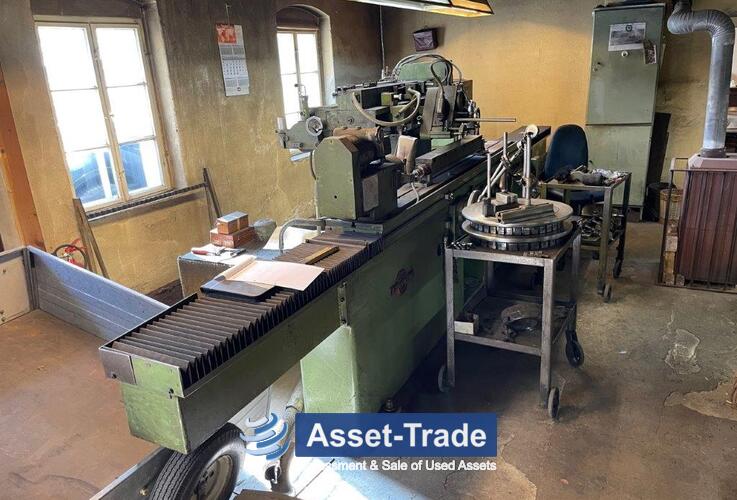
Broaching provides an efficient way to create precise internal or external profiles, including keyways, splines, and specialized shapes. When production requirements call for this process, searching for a used broaching machine for sale can provide access to capable industrial equipment without the cost of purchasing a new machine. However, price alone should never determine the decision. Important considerations include machine capacity, stroke length, tooling compatibility, available power, condition, maintenance history, and the dimensions of components being produced. A properly evaluated used machine can deliver dependable performance when its specifications match the intended manufacturing application.
Evaluating the Condition of Used Machinery
Used industrial equipment can represent significant value, but careful inspection is necessary before acquisition. Mechanical components should be examined for excessive wear, unusual movement, corrosion, hydraulic problems, damaged electrical systems, and signs of inadequate maintenance. Documentation can provide useful information about previous servicing and operating history. Tooling and accessories also deserve attention because replacement costs can influence the overall investment. A machine that appears inexpensive may become costly if major repairs are required shortly after purchase. Conversely, well-maintained equipment with appropriate specifications can continue supporting productive operations for many years in demanding manufacturing environments.
Efficiency Through Proper Machine Selection
Production efficiency depends on matching machinery to the actual requirements of a manufacturing process. CNC equipment is particularly useful when components require repeatable dimensions, complex contours, or frequent design changes. Broaching machinery can be advantageous when specialized profiles must be produced consistently and efficiently. Selecting equipment according to workload, material type, component dimensions, production volume, and available floor space helps avoid unnecessary expenses. Energy consumption, maintenance requirements, tooling availability, and operator training should also be considered. A balanced equipment strategy supports reliable production while reducing interruptions and helping manufacturers achieve consistent results over extended operating periods.
Maintenance Supports Long-Term Performance
Regular maintenance is essential for preserving machining accuracy and preventing avoidable breakdowns. CNC systems benefit from scheduled inspections of lubrication, coolant, guides, spindle components, electrical systems, and control equipment. Broaching machines likewise require attention to hydraulic systems, tooling areas, moving components, and structural condition. Maintenance records can help identify recurring issues before they become serious failures. Operators should also keep work areas clean because accumulated chips, debris, and contaminated fluids can affect machine performance. Preventive maintenance generally costs less than emergency repairs and helps protect both production schedules and the long-term value of industrial machinery.
Making Informed Equipment Decisions
Reliable manufacturing depends on informed decisions at every stage, from machine setup and programming to equipment purchasing and maintenance. CNC technology can deliver remarkable precision, but results depend on appropriate preparation, skilled supervision, and disciplined procedures. Used machinery can also offer practical advantages when condition, specifications, and service history are carefully evaluated before purchase. The goal should always be dependable performance rather than simply obtaining the lowest initial price. For companies researching industrial equipment and machining solutions, the asset-trade.de website can serve as a useful point of reference in the middle of the conclusion when exploring suitable machinery options.
