Closed Cell Spray Foam Insulation: Benefits, Applications, and What to Know
Author : The Green Cocoon | Published On : 22 Oct 2026
🌡️ Understanding Closed Cell Spray Foam Insulation
Keeping a building comfortable throughout the year depends on more than heating and cooling equipment. Insulation helps manage indoor temperatures, reduce unwanted air movement, and improve the overall performance of a building. Choosing the right material is especially important in areas where seasonal temperature changes can affect comfort and energy use.
Closed cell spray foam is a high-performance insulation material that expands during application and forms a dense layer as it cures. It can help limit heat transfer and air leakage when installed correctly. The Green Cocoon offers information about this insulation option for property owners considering ways to improve their building's thermal performance.
🔍 What Is Closed Cell Spray Foam?
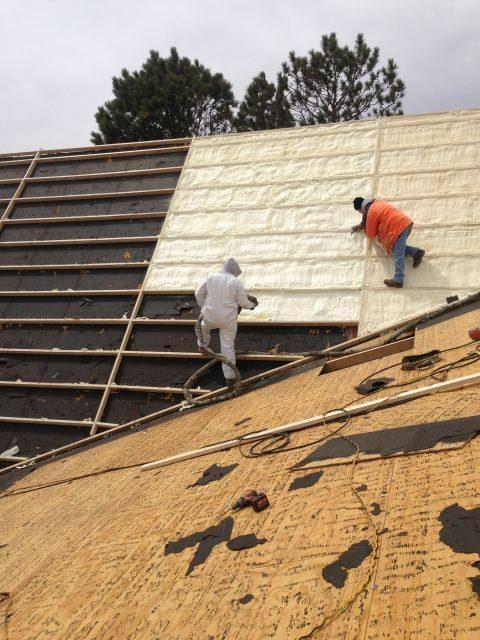
Closed cell spray foam is made by combining two components that react and expand when applied to a surface. As the foam cures, it forms a rigid structure containing tightly packed cells. These closed cells help provide strong insulating performance in a relatively thin layer.
Unlike some traditional insulation materials, closed cell spray foam can also create an air barrier when properly installed. Its density and structure make it useful in selected wall cavities, roof assemblies, rim joists, and other areas where space or air leakage is a concern.
The final performance depends on the product used, the thickness applied, the condition of the surface, and the quality of installation.
✅ Key Benefits of Closed Cell Spray Foam
🌡️ Improved Thermal Performance
Closed cell spray foam provides a high level of thermal resistance per inch compared with many conventional insulation materials. This can be useful where cavities are shallow or limited space is available. Properly designed insulation helps reduce unwanted heat movement and supports more consistent indoor temperatures.
💨 Reduced Air Leakage
Small gaps around framing, joints, and building penetrations can allow conditioned air to escape. When installed as part of a suitable building assembly, closed cell spray foam can help seal these areas and reduce drafts. Air sealing works best when combined with appropriate ventilation and moisture management.
💧 Resistance to Moisture Movement
The closed-cell structure has relatively low water permeability compared with many other insulation types. This characteristic may help control moisture movement through certain building assemblies. However, it does not make every wall or roof waterproof, and it cannot replace proper drainage, flashing, or repairs to leaks.
🧱 Added Rigidity
After curing, closed cell spray foam becomes firm and can contribute to the rigidity of some framed assemblies. The extent of this benefit depends on the specific product and construction design. It should not be treated as a substitute for structural components or engineering requirements.
🏠 Where Can Closed Cell Spray Foam Be Used?
Attics and Roof Assemblies
Roof areas can experience substantial temperature changes throughout the year. Insulation can help limit heat transfer through the building envelope. Before applying foam to an attic or roof assembly, the design should account for ventilation requirements, roof materials, and the potential for moisture to become trapped.
Exterior Walls
Closed cell spray foam may be suitable for certain wall cavities where strong insulating performance and air sealing are priorities. The correct approach depends on the existing wall construction, local building requirements, and how the assembly will manage moisture.
Basements and Rim Joists
Basements and rim joists can be sources of drafts and heat loss. Insulating these areas may improve comfort in adjoining rooms. Before installation, any water intrusion, dampness, or existing damage should be addressed.
Garages and Other Utility Areas
Garages, workshops, and utility spaces may benefit from insulation when temperature control is important. The selected foam must be suitable for the application, and required thermal or ignition barriers must be installed where applicable.
🛠️ What to Consider Before Installation
Closed cell spray foam should be selected based on the building's needs rather than insulation performance alone. Consider the following factors before starting a project:
-
Building condition: Repair roof leaks, plumbing leaks, and other moisture problems before insulating.
-
Required thickness: The amount of foam needed depends on the target insulation value and local code requirements.
-
Ventilation: Air sealing can change how fresh air enters a building, so mechanical ventilation may need to be assessed.
-
Professional application: Correct chemical ratios, temperature, surface preparation, and application methods are important for foam quality.
-
Safety precautions: Occupants and other workers may need to leave the application area during installation and for the specified re-entry period. Follow the product manufacturer's instructions and the installer's safety guidance.
A qualified insulation professional can evaluate the building assembly and recommend an approach that fits the project's performance goals.
⚖️ Closed Cell Spray Foam vs. Other Insulation Types
Closed cell spray foam is not automatically the best choice for every property. Fiberglass batts and rolls may be practical for accessible framed cavities, while cellulose can be suitable for selected attic and wall applications. Open-cell spray foam is less dense and has different insulation and moisture-control characteristics.
The best option depends on available space, budget, climate, existing construction, moisture conditions, and local building codes. Comparing these factors helps property owners avoid choosing insulation based on a single feature.
💰 Is Closed Cell Spray Foam Worth Considering?
The overall value of closed cell spray foam depends on installation costs, energy use, building design, and the condition of the existing insulation. Its strong insulating performance and air-sealing potential can make it useful in areas where space is limited or drafts are a concern.
However, energy savings are not guaranteed and will vary between buildings. A professional assessment can help determine whether the material is appropriate and where it is likely to provide the greatest benefit.
🌿 Explore Closed Cell Spray Foam Options with The Green Cocoon
Choosing insulation is an important step toward creating a more comfortable and energy-conscious property. Closed cell spray foam may be suitable for projects that require high thermal resistance, effective air sealing, and careful moisture management.
The Green Cocoon provides insulation solutions for property owners exploring different ways to improve building performance. Review your property's construction, insulation goals, and ventilation needs before selecting a product. With suitable materials and correct installation, an effective insulation strategy can support long-term comfort and building efficiency.
📞 Ready to Improve Your Home’s Insulation?
Looking for a reliable insulation solution for your property? Contact The Green Cocoon to explore closed cell spray foam insulation and find an option that suits your building's needs. Discuss your insulation goals with the team and take the next step toward improved indoor comfort and energy efficiency
