Climate Action: Role of Renewables and Environmental Solutions
Author : Victor Lang | Published On : 27 Feb 2026
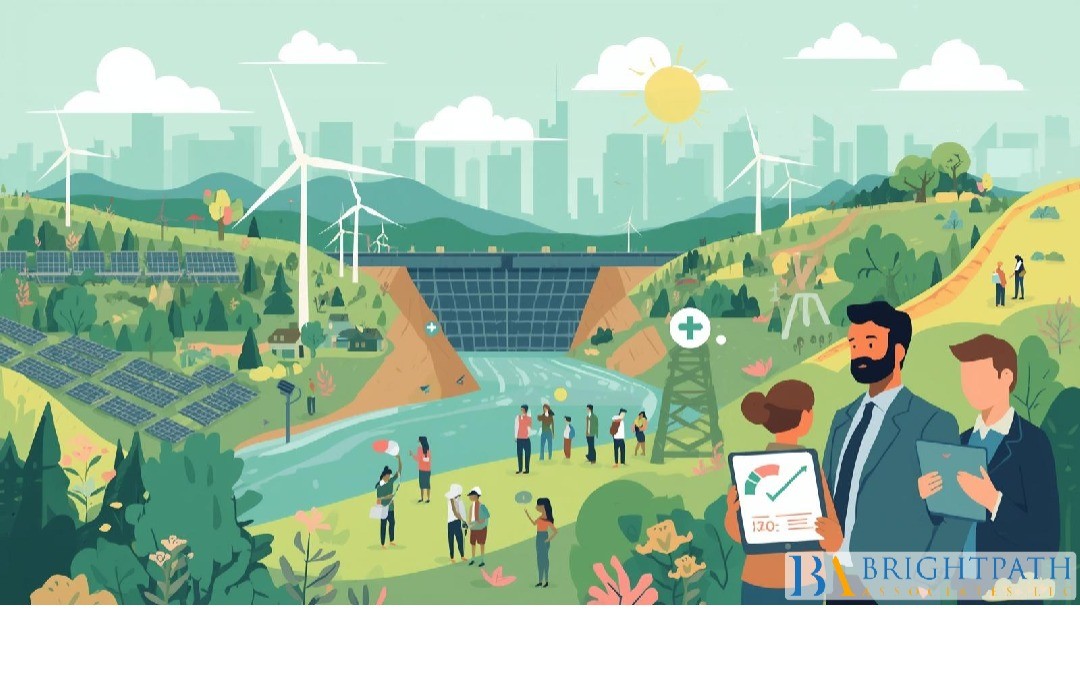
Climate change is not a distant threat — it’s a present-day economic, environmental, and social challenge reshaping industries, government policies, and corporate strategies around the world. For leaders across business sectors, especially in the renewables and environment industry, understanding the transformational role of clean energy technologies is no longer optional — it’s strategic.
At BrightPath Associates LLC, we partner with companies navigating this transformation by helping them secure visionary leaders and sustainability experts. As organizations align business strategy with climate action, the demand for executives experienced in renewable technologies, environmental compliance, and sustainability innovation continues to accelerate.
Before we dive into how renewable energy and environmental solutions drive climate action, consider the broader ecosystem of opportunity and challenge in the Renewables & Environment Industry — a sector defined by innovation, regulatory complexity, and rapid evolution.
Why Climate Action Matters
Climate science is unequivocal: to avoid the worst impacts of global warming, humanity must drastically reduce greenhouse gas emissions in the coming decades and transition to clean energy systems. The United Nations highlights that energy production from fossil fuels is one of the largest sources of global emissions, and tackling this challenge requires widespread investment in clean energy technologies.
Decarbonization — the intentional reduction of carbon dioxide and other pollutants — lies at the heart of climate action strategies. It not only benefits the environment but also enhances public health, strengthens energy security, and opens up economic opportunities for the private sector.
Renewables: The Engine of Decarbonization
The shift from fossil fuels to renewable energy is not just beneficial; it is necessary. Renewable energy technologies like solar, wind, hydro, and biomass produce energy without the harmful emissions associated with coal, oil, and natural gas, making them central to climate mitigation.
Clean Power, Lower Emissions
Solar and wind power systems generate electricity without releasing significant greenhouse gases. This reduces the atmospheric buildup of CO₂ — the primary driver of global warming — while also cutting air pollution and its associated health risks.
Moreover, renewable technologies are rapidly becoming cost-competitive with, and often cheaper than, traditional energy sources. This economic shift not only supports environmental goals but enhances energy cost stability for businesses and communities alike.
Energy Security and Resilience
Unlike fossil fuels, which are subject to supply chain disruptions and geopolitical volatility, renewable energy can be generated locally using abundant natural resources. This decentralization enhances energy security and resilience — vital factors for companies and governments planning multi-decade infrastructure investments.
In addition, renewable systems paired with energy storage technologies, like grid-scale batteries, improve operational reliability and prepare power grids to handle peak demand and extreme weather events.
Beyond Power Generation: Environmental Solutions
The climate challenge extends beyond generating clean energy — it encompasses how we manage land, water, industrial systems, and ecosystems. Environmental solutions — from site remediation to advanced monitoring platforms — are essential components of climate action.
Land restoration and proper site remediation allow renewable projects to coexist with local ecosystems, improving community acceptance and regulatory compliance while reducing development delays.
Meanwhile, real-time environmental monitoring systems help businesses track emissions, resource usage, and compliance data. By integrating AI and smart analytics into sustainability efforts, organizations can make informed decisions that further protect the environment while improving operational efficiency.
How Businesses Can Lead the Climate Transition
-
Embed Climate Strategy into Core Operations: Climate action must extend beyond sustainability reports: it should inform corporate strategy. This means setting ambitious net-zero targets, aligning capital allocation with low-carbon investments, and redesigning products and processes to minimize emissions.
-
Adopt Renewable Energy at Scale: Transitioning to clean power sources reduces emissions and often lowers energy costs. Organizations can adopt on-site renewables, enter power purchase agreements (PPAs), or participate in community energy programs that utilize solar, wind, and other technologies.
-
Invest in Energy Efficiency: Improving energy efficiency across operations — from manufacturing to distribution — reduces overall demand and amplifies the impact of renewables. Energy-efficient technologies also deliver cost savings and improve competitiveness.
-
Develop Strategic Talent Capabilities: Achieving climate action goals requires leadership with both technical expertise and strategic vision. Today’s market demands professionals who can integrate renewable solutions, manage sustainability risks, and guide corporate transformation. This is where executive talent plays a critical role.
Companies that attract leaders experienced in renewable infrastructure, environmental compliance, carbon strategy, and sustainability governance are better positioned to navigate regulatory changes, access new markets, and deliver long-term value.
Business Case: Innovation, Growth, and Leadership
The transition to renewables and environmental solutions is already creating robust economic opportunities. Clean energy companies are expanding quickly, driving job creation across manufacturing, installation, maintenance, and innovation sectors. As governments and investors prioritize net-zero, demand for executives who understand both technological and market shifts is rising. Organizations that embrace climate action today can unlock competitive advantages:
-
Enhanced brand reputation with customers and investors
-
Lower operational costs through energy savings
-
Greater resilience against regulatory and market shifts
Read More: A Strategic Resource for Climate Action Leaders
To explore the depth of strategies and practical insights that guide organizations toward impactful climate action, read the full article: Climate Action: The Role of Renewables and Environmental Solutions.
This resource further examines how renewables and environmental technologies are reshaping industries and what leadership qualities are essential in this era of sustainability.
Call to Action: Lead the Climate Transition with Strategic Talent
The renewable energy and environmental landscape is at a pivotal point of transformation. To seize emerging opportunities and drive meaningful climate impact, organizations need visionary leaders who can blend technical mastery with strategic foresight.
At BrightPath Associates LLC, we specialize in executive recruitment for the renewables and environment industry — matching mission-driven organizations with leaders capable of advancing climate action goals.
