Choosing the Right Floating Dock for Your Waterfront
Author : Naved Khan | Published On : 16 Jul 2026
If you need a stable and practical solution for waterfront access, a portable floating dock offers flexibility, reliable performance, and easy installation. It works well for marinas, private homes, commercial sites, and recreational spaces because it adapts to changing water levels while providing a safe surface for people and equipment.
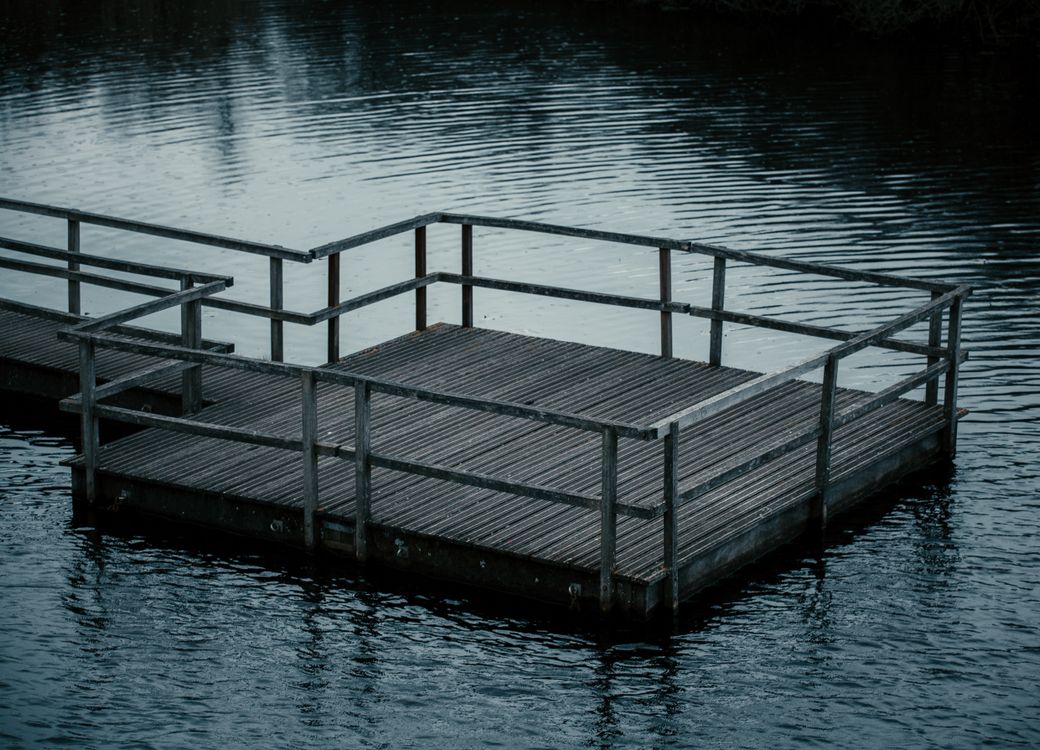
Why Floating Docks Are a Practical Choice ?
Traditional fixed docks work well in some locations, but they may struggle where water levels change throughout the year. Floating systems rise and fall with the water, making them a dependable option for lakes, rivers, canals, and coastal areas.
Modern floating pontoons use durable materials that resist moisture, corrosion, and constant exposure to sunlight. This helps reduce maintenance while extending the life of the structure. Owners also appreciate the flexibility to expand or reconfigure the layout as their needs change.
A well planned floating dock can support leisure activities, boat access, maintenance work, and even temporary event spaces.
Choosing the Right Material
The material used in a dock affects its strength, lifespan, and maintenance needs. Selecting the right option depends on the environment and the intended use.
An aluminium pontoon remains a popular choice because it combines low weight with excellent structural strength. Aluminium naturally resists corrosion, making it suitable for marine conditions where saltwater can damage many other materials.
Other components, such as decking and flotation units, also play an important role. High quality decking provides good grip in wet conditions, while reliable flotation units help keep the dock balanced under different loads.
Common Applications
Floating dock systems serve many purposes across residential, commercial, and industrial settings.
Some common uses include
- Private waterfront properties
- Boat mooring facilities
- Fishing locations
- Marina walkways
- Water sports operations
- Commercial waterfront projects
- Temporary access points for maintenance teams
Because many systems use modular sections, owners can increase or reduce the dock size without replacing the entire structure.
What Makes a Good Floating Dock ?
A quality dock should deliver both safety and long term reliability. Before making a decision, consider several important features.
Stability
A stable dock feels secure underfoot even when several people use it at the same time. Proper flotation and weight distribution help reduce movement.
Easy Installation
Many modular systems require less construction than fixed alternatives. This often shortens installation time and reduces disruption around the waterfront.
Low Maintenance
Materials that resist rust, moisture, and marine growth reduce ongoing maintenance. Regular cleaning and routine inspections usually keep the dock in excellent condition.
Safety Features
Non slip surfaces, secure connections, and strong handrails improve user safety. Proper lighting also helps if the dock remains accessible after sunset.
Finding the Right Solution for Abu Dhabi
Waterfront developments continue to grow across the region, increasing demand for reliable docking systems. Many property owners looking for private pontoon docks Abu Dhabi want a solution that performs well in warm weather while standing up to saltwater conditions.
A properly designed dock should match the site, expected load, and type of watercraft. Professional planning also considers wave conditions, tidal movement, and local regulations before installation begins. These factors help ensure dependable performance throughout the year.
Maintenance Tips for Long Term Performance
Routine care keeps a floating dock safe and attractive for years.
Check the connections regularly for signs of wear. Remove debris that collects around flotation units and inspect decking for loose fasteners or damaged boards. Cleaning the surface also improves grip and appearance.
Annual inspections by experienced professionals can identify small issues before they become larger repairs, helping owners protect their investment.
Making the Best Choice
Every waterfront project has different requirements. Some owners need a simple access point for a single boat, while others require larger floating platforms that support commercial activities or recreational facilities.
Think about future needs before selecting a system. A modular design allows expansion without replacing the original structure, making it a practical long term investment. By choosing quality materials, following a regular maintenance schedule, and working with experienced installers, you can build a dock that remains safe, durable, and ready for everyday use.
