Choosing Reliable Isolation Solutions for Power Networks
Author : alina khurana | Published On : 01 Jul 2026
Reliable power networks depend on effective isolation solutions that ensure safety, continuity, and operational efficiency. As electrical systems become more complex, the need for dependable isolation and switching devices continues to grow across industrial, commercial, infrastructure, and utility applications. Isolation solutions help protect equipment, facilitate maintenance activities, and reduce the impact of electrical faults on the broader network. Selecting the right devices requires careful consideration of system requirements, safety standards, operational flexibility, and future scalability. By choosing appropriate isolation technologies, organizations can enhance network reliability while supporting long-term performance and electrical safety.
Understanding Isolation in Power Networks
Electrical isolation refers to the process of disconnecting a section of a power system from the energy source to ensure safe operation, maintenance, or fault management.
Isolation devices play a critical role in modern electrical infrastructure by:
- Protecting personnel during maintenance
- Preventing equipment damage
- Supporting fault isolation
- Improving operational flexibility
- Enhancing network reliability
Without effective isolation mechanisms, electrical systems become more vulnerable to disruptions, safety risks, and costly downtime.
As power distribution systems expand and integrate advanced technologies, reliable isolation solutions have become increasingly important for maintaining stable and secure operations.
Why Isolation Solutions Matter
Power networks are constantly exposed to changing load conditions, environmental influences, and potential fault events. Reliable isolation devices help manage these challenges by providing controlled disconnection capabilities.
- Improved Safety
Isolation ensures that maintenance personnel can work on electrical equipment without exposure to energized circuits.
- Reduced Downtime
Faulted sections can be disconnected quickly, allowing unaffected parts of the network to remain operational.
- Equipment Protection
Isolation devices help prevent electrical faults from spreading and damaging critical infrastructure.
- Regulatory Compliance
Many electrical safety standards require effective isolation provisions to ensure safe operation and maintenance procedures.
These benefits make isolation solutions a fundamental element of modern power system design.
Key Considerations When Selecting Isolation Solutions
Choosing the right isolation equipment requires a detailed evaluation of operational and technical requirements.
- Voltage and Current Ratings
Devices must be capable of handling the electrical demands of the application safely and reliably.
- Fault Withstand Capability
Isolation solutions should withstand expected fault currents without compromising performance.
- Environmental Conditions
Factors such as temperature, humidity, dust, and vibration can affect equipment performance and longevity.
- Maintenance Requirements
Selecting equipment with low maintenance needs can improve operational efficiency and reduce lifecycle costs.
- Future Expansion
Scalable solutions allow facilities to accommodate future growth without major system modifications.
Careful consideration of these factors helps ensure long-term reliability and safety.
The Role of Switch Disconnector Fuses
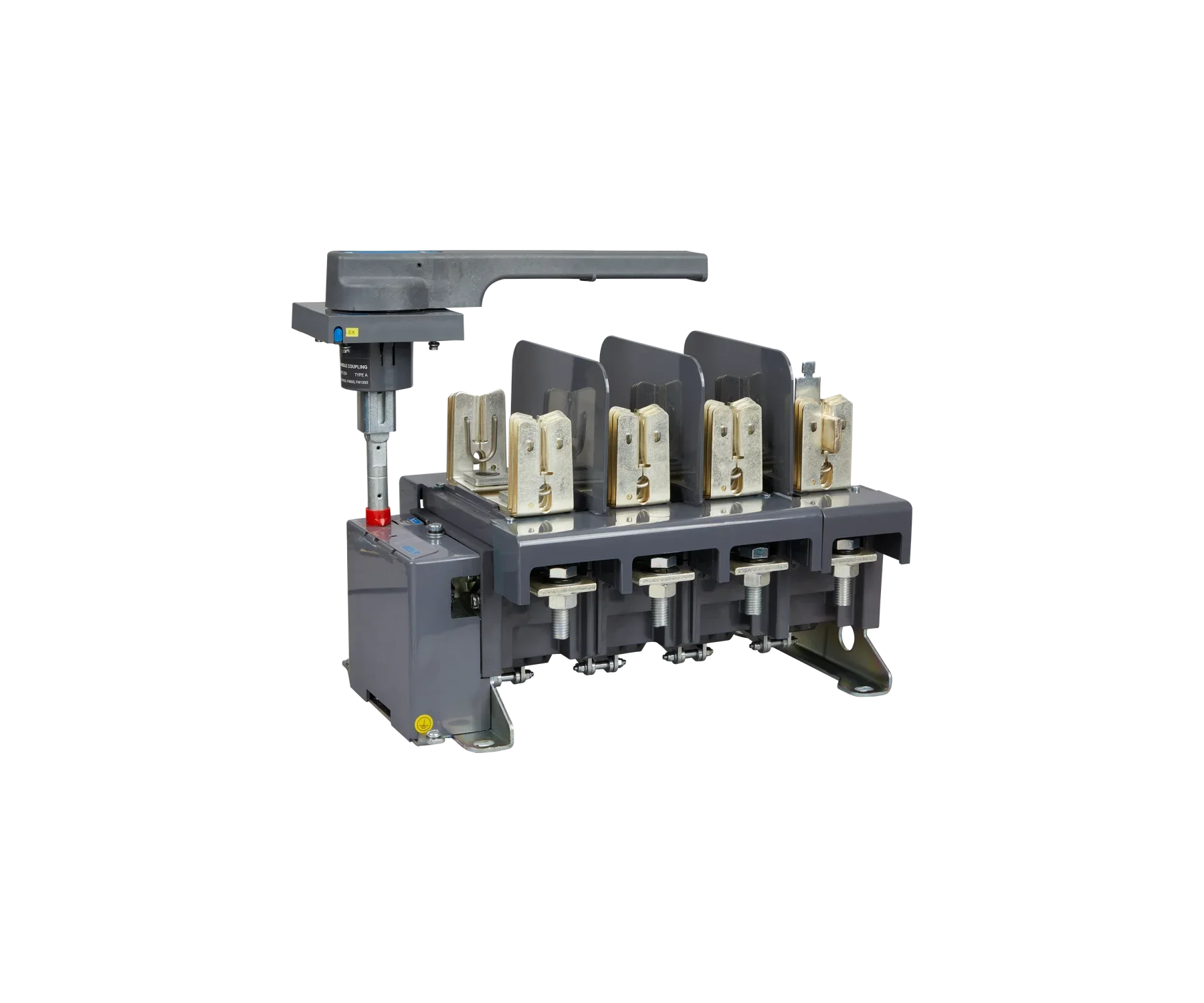
One of the most widely used isolation devices in power distribution systems is the switch disconnector fuses solution. These devices combine switching, isolation, and protection functions into a single unit.
- Safe Isolation Capability
Switch disconnector fuses provide visible isolation, allowing operators to confirm that circuits have been disconnected safely.
- Fault Protection
Integrated fuse protection helps safeguard equipment against short circuits and overcurrent conditions.
- Operational Simplicity
The combination of switching and protection functions simplifies system design and operation.
- Enhanced Reliability
By integrating multiple functions within a single device, these solutions contribute to more dependable electrical distribution systems.
Their versatility makes them suitable for a wide range of industrial and commercial applications.
Supporting Maintenance and Operational Safety
Maintenance activities are essential for ensuring the long-term reliability of electrical systems. However, they also present potential safety risks if proper isolation procedures are not followed.
- Secure Equipment Access
Isolation devices ensure that equipment can be serviced safely without exposure to live electrical components.
- Reduced Human Error
Clearly defined isolation points help simplify maintenance procedures and reduce the likelihood of operational mistakes.
- Improved Compliance
Effective isolation practices support adherence to workplace safety regulations and industry standards.
- Minimized Operational Disruptions
Maintenance can be performed on isolated sections without affecting the entire network.
These advantages highlight the importance of selecting dependable isolation equipment.
Importance of Automatic Power Source Transfer
In critical facilities, maintaining uninterrupted power supply is essential. Power interruptions can affect productivity, safety, and operational continuity.
Automatic transfer systems help address this challenge by switching between power sources when disruptions occur.
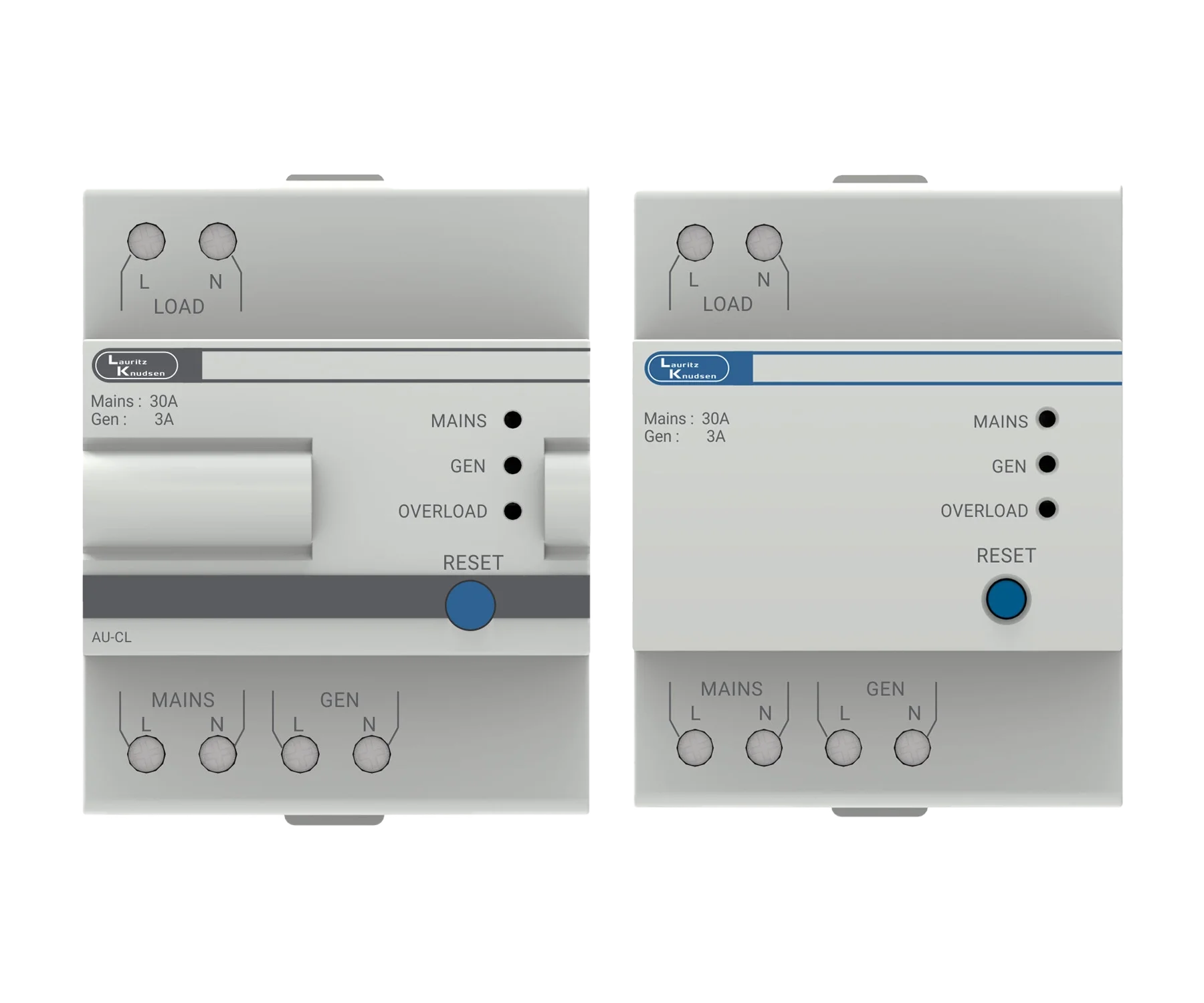
A modern ACCL automatic changeover system is designed to transfer loads seamlessly between primary and backup power sources when required.
- Continuous Power Availability
Automatic transfer minimizes interruptions and ensures critical loads remain energized.
- Reduced Downtime
Fast switching capabilities help maintain operational continuity during power disturbances.
- Improved Reliability
Automated systems eliminate delays associated with manual intervention.
- Enhanced Protection
Automatic source selection helps safeguard sensitive equipment from power supply disruptions.
These features make automatic transfer solutions a valuable component of reliable power networks.
Integration with Modern Power Management Systems
Digitalization is transforming the way electrical networks are monitored and controlled.
- Real-Time Monitoring
Advanced monitoring systems provide continuous visibility into network conditions and equipment performance.
- Remote Operation
Operators can control and manage isolation devices from centralized locations.
- Predictive Maintenance
Data-driven insights support proactive maintenance strategies and reduce unexpected failures.
- Enhanced System Coordination
Integrated controls improve communication between protection, isolation, and switching devices.
Modern power management systems help organizations optimize reliability while improving operational efficiency.
Reliability Considerations for Critical Applications
Certain sectors require exceptionally high levels of electrical reliability.
Examples include:
- Manufacturing facilities
- Data centers
- Healthcare institutions
- Transportation infrastructure
- Water treatment plants
In these environments, both isolation and power transfer systems play critical roles in ensuring uninterrupted operations.
A properly configured ACCL automatic changeover solution helps maintain power continuity, while robust isolation devices support safe maintenance and fault management.
Together, these technologies contribute to resilient electrical infrastructure.
Reducing Lifecycle Costs
When selecting isolation solutions, organizations should evaluate total lifecycle costs rather than focusing solely on initial investment.
- Lower Maintenance Expenses
Reliable equipment reduces servicing requirements and associated labor costs.
- Improved Equipment Longevity
Quality isolation devices help protect connected assets from electrical stress and faults.
- Reduced Downtime Costs
Minimizing outages and maintenance disruptions supports greater operational efficiency.
- Better Return on Investment
Long-term reliability often results in lower overall ownership costs.
By considering lifecycle performance, organizations can make more informed infrastructure decisions.
Future Trends in Isolation Technology
As power systems evolve, isolation solutions continue to incorporate advanced technologies and intelligent features.
Emerging trends include:
- Smart Monitoring
Integrated diagnostics provide deeper insights into equipment health and performance.
- Enhanced Connectivity
Communication capabilities support remote management and automation.
- Improved Safety Features
Advanced interlocking and fault detection technologies enhance operational safety.
- Sustainable Designs
Modern solutions increasingly focus on energy efficiency and environmental responsibility.
The future of electrical isolation will be driven by greater intelligence, connectivity, and reliability.
Building a Comprehensive Isolation Strategy
An effective isolation strategy combines multiple technologies to create a resilient and secure power network.
Key elements include:
- Proper equipment selection
- Coordinated protection systems
- Reliable isolation devices
- Automatic transfer capabilities
- Continuous monitoring and maintenance
The integration of switch disconnector fuses with advanced transfer and monitoring solutions provides a strong foundation for reliable electrical operations.
Organizations that adopt a comprehensive approach can improve safety, reduce risks, and enhance long-term performance.
Conclusion
Choosing reliable isolation solutions is essential for maintaining safe, efficient, and resilient power networks. Effective isolation devices help protect personnel, support maintenance activities, prevent fault propagation, and improve overall system reliability. Technologies such as switch disconnector fuses and advanced ACCL automatic changeover systems play vital roles in ensuring operational continuity and electrical safety across a wide range of applications. As power infrastructure continues to evolve and become more interconnected, Lauritz Knudsen Electrical & Automation remains committed to supporting dependable, future-ready solutions that help organizations build stronger and more reliable electrical networks.
