CFO’s Guide to Farm Energy Independence via Microgrid Adoption
Author : Alex Turner | Published On : 01 Jul 2026
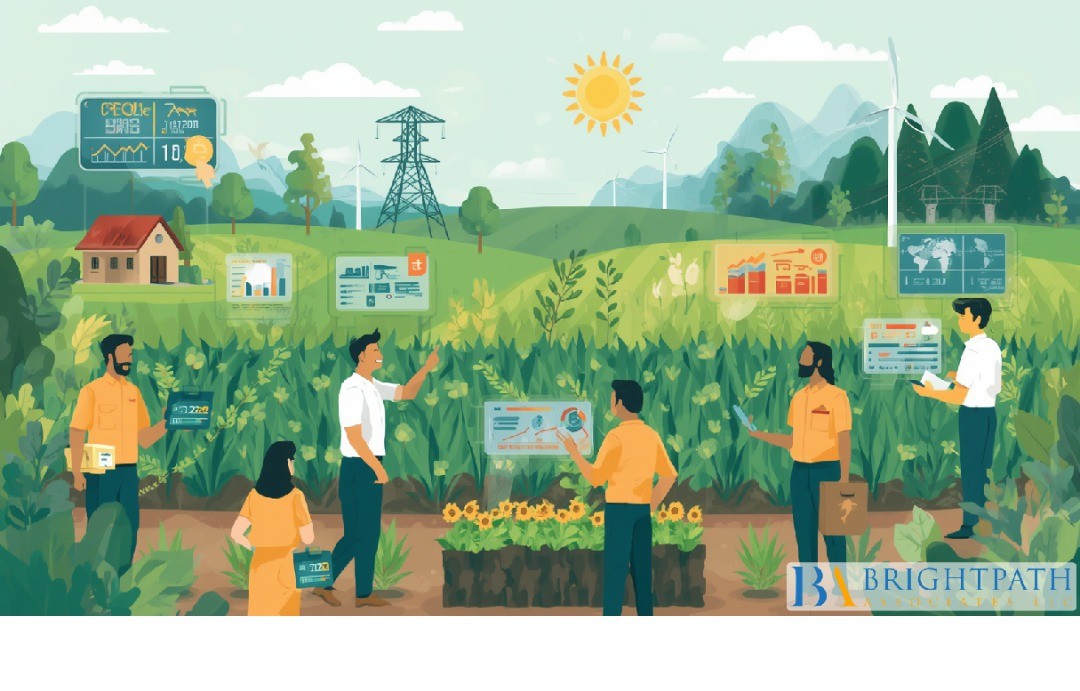
Rising electricity prices, unpredictable weather patterns, aging utility infrastructure, and increasing operational expenses are forcing agricultural businesses to rethink how they power their operations. For small and mid-sized farms across the United States, energy has become more than just an operating expense—it has evolved into a strategic business concern that directly affects profitability, productivity, and long-term resilience. From irrigation systems and grain storage facilities to dairy operations and greenhouse environments, modern farms depend heavily on uninterrupted electricity. As a result, forward-thinking Chief Financial Officers (CFOs) and farm executives are exploring microgrid technology as a practical solution for achieving greater energy independence while strengthening financial performance.
A microgrid is a localized energy system capable of generating, storing, and managing electricity independently or alongside the traditional power grid. Powered by renewable energy sources such as solar panels, wind turbines, battery storage systems, and backup generators, microgrids provide farms with reliable electricity even during grid outages. Unlike conventional energy systems that rely entirely on external utility providers, microgrids give agricultural businesses greater control over their energy production and consumption. As distributed energy technologies become more affordable and sophisticated, microgrids are emerging as an increasingly attractive investment for farms seeking to reduce operational risk and improve long-term sustainability.
For CFOs, the financial case for microgrid adoption extends well beyond reducing monthly electricity bills. Energy disruptions can interrupt irrigation schedules, damage temperature-sensitive agricultural products, halt automated feeding systems, delay harvesting operations, and negatively impact livestock welfare. Even short-term power outages may result in significant production losses and unexpected operational costs. By generating electricity on-site and utilizing intelligent energy management systems, farms can minimize reliance on volatile utility pricing while protecting critical operations from external disruptions. Microgrids also allow organizations to better forecast energy expenses, improving budgeting accuracy and long-term financial planning.
Renewable energy integration further strengthens the economic value of microgrids. Solar energy, wind generation, battery storage, and biomass systems can work together to produce clean electricity while reducing dependence on fossil fuels. Excess energy generated during peak production periods may be stored for future use or, where regulations permit, exported back to the utility grid to create additional revenue opportunities. This combination of cost savings, operational resilience, and potential income generation makes microgrids a strategic capital investment rather than simply an infrastructure upgrade. As renewable energy technologies continue to mature, many agricultural businesses are finding that energy independence delivers measurable returns over the long term.
Organizations operating within the Farming Industry are increasingly recognizing that energy management is becoming a critical component of operational excellence. Modern agricultural enterprises rely on precision irrigation systems, autonomous equipment, climate-controlled facilities, GPS-enabled machinery, and digital monitoring technologies that require dependable power around the clock. Microgrids complement these innovations by ensuring reliable energy availability while supporting broader digital transformation initiatives. Farms that integrate energy independence into their strategic planning are better positioned to maintain productivity, improve sustainability, and remain competitive despite growing market uncertainty.
Beyond financial performance, microgrids significantly enhance operational resilience. Climate-related events, severe storms, wildfires, and aging electrical infrastructure continue to increase the frequency of power interruptions across many agricultural regions. Farms equipped with microgrids can isolate themselves from broader grid failures—a capability known as "islanding"—allowing essential operations to continue uninterrupted. This resilience protects crops, livestock, refrigeration systems, irrigation equipment, and processing facilities during emergencies while reducing the financial impact of prolonged outages. For agricultural businesses operating on narrow seasonal production windows, maintaining continuous operations can make the difference between profitability and substantial losses.
Technology plays an equally important role in maximizing microgrid performance. Advanced energy management platforms powered by artificial intelligence, predictive analytics, Internet of Things (IoT) sensors, and cloud-based monitoring systems continuously optimize electricity generation, storage, and consumption. These intelligent systems analyze weather forecasts, equipment performance, electricity demand, and battery capacity to determine the most efficient use of available energy resources. CFOs gain access to detailed operational insights that support informed investment decisions while continuously improving energy efficiency across farming operations.
Environmental sustainability is another compelling advantage driving microgrid adoption. Consumers, food manufacturers, retailers, investors, and regulatory agencies increasingly expect agricultural businesses to reduce carbon emissions and demonstrate responsible environmental stewardship. By integrating renewable energy into daily operations, farms lower greenhouse gas emissions while strengthening Environmental, Social, and Governance (ESG) performance. Sustainable energy practices also enhance corporate reputation, strengthen customer relationships, and position agricultural businesses more favorably within evolving food supply chains focused on environmental responsibility.
Implementing a successful microgrid strategy requires careful planning and cross-functional leadership. Financial executives must evaluate capital investment requirements, available tax incentives, financing options, expected return on investment, maintenance costs, and long-term operational benefits. Collaboration between finance, operations, engineering, sustainability, and technology teams ensures that energy investments align with broader organizational objectives. Rather than viewing microgrids solely as infrastructure projects, successful organizations incorporate them into comprehensive business strategies designed to improve resilience, profitability, and operational excellence.
Leadership and workforce capabilities remain essential throughout the energy transformation process. As agricultural operations become increasingly technology-driven, organizations require executives who understand renewable energy systems, digital technologies, automation, financial planning, and risk management. Recruiting leaders capable of balancing innovation with financial discipline enables agricultural businesses to maximize the value of their energy investments while preparing for future market challenges. Building leadership teams with expertise across energy, operations, and sustainability creates a strong foundation for long-term competitive success.
Business leaders seeking a deeper understanding of agricultural energy transformation can explore the original article on CFO’s Guide to Farm Energy Independence via Microgrid Adoption, which provides additional insights into evaluating microgrid investments, improving operational resilience, and developing long-term energy strategies for modern farming enterprises.
The future of agriculture will increasingly depend on organizations capable of controlling their energy resources while embracing innovation and sustainability. Microgrids offer far more than backup electricity—they provide farms with greater financial predictability, enhanced operational continuity, improved environmental performance, and stronger long-term resilience. As energy markets continue evolving, agricultural businesses that invest strategically in energy independence today will be better positioned to navigate tomorrow's challenges while creating lasting competitive advantages.
