CEO's Guide to Sustainable Practices in Cement Industry
Author : Victor Lang | Published On : 05 Mar 2026
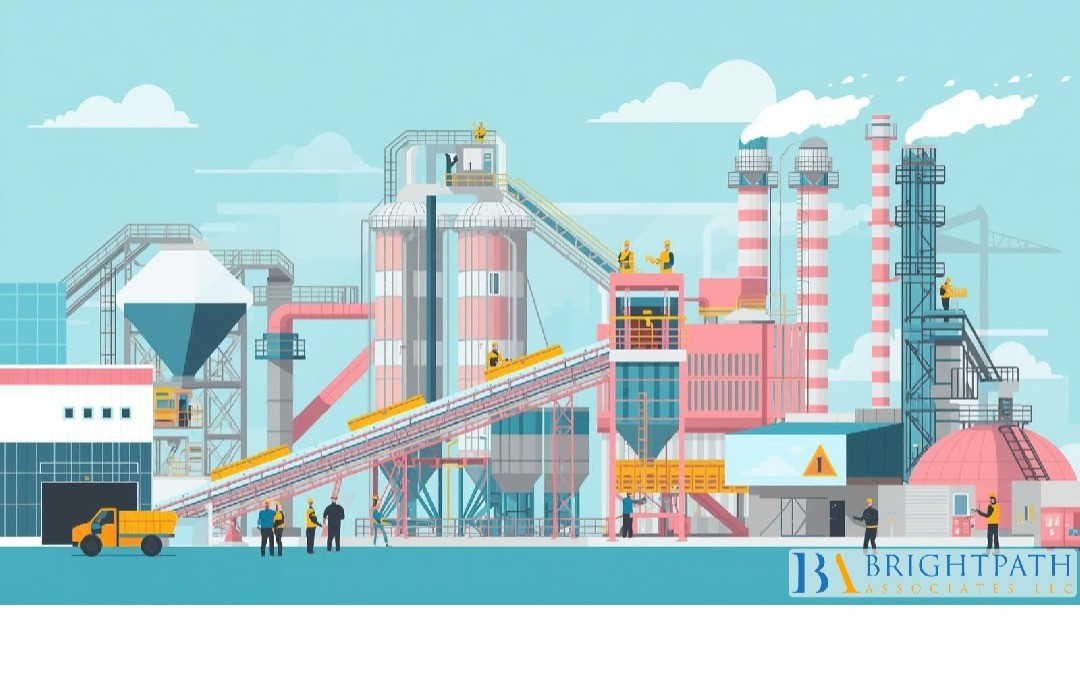
Sustainability has moved from being a regulatory obligation to a strategic priority for leaders in the cement and construction materials sector. CEOs across the industry are facing mounting pressure to reduce environmental impact while maintaining profitability and operational efficiency. The cement industry alone contributes roughly 7–8% of global carbon emissions, making it one of the most scrutinized sectors in the global sustainability conversation.
For forward-thinking executives, sustainability is not simply about compliance—it is about innovation, competitiveness, and long-term business resilience. Companies that successfully integrate environmental responsibility into their core strategy often position themselves as industry leaders while unlocking new opportunities for growth and technological advancement.
Organizations operating in construction materials sectors—including cement, glass, ceramics, and concrete—are increasingly adopting sustainable manufacturing strategies to meet evolving regulatory standards and market expectations. Leaders seeking to understand workforce and innovation trends in this space can explore insights across the Glass, Ceramics & Concrete Industry, where sustainability and technological transformation are reshaping how companies operate.
Why Sustainability Matters More Than Ever
The cement industry plays a foundational role in global infrastructure development. From highways and bridges to residential buildings and renewable energy projects, cement remains one of the most widely used construction materials worldwide.
However, the production process is energy-intensive and generates significant carbon emissions due to the calcination of limestone and high-temperature kiln operations. As global environmental regulations tighten and investors increasingly prioritize Environmental, Social, and Governance (ESG) metrics, companies must actively pursue greener operational models.
Sustainability initiatives are therefore becoming central to corporate strategy. Organizations that integrate environmental responsibility into their production systems can reduce operating costs, strengthen brand reputation, and meet growing demand for eco-friendly construction materials.
For CEOs, the challenge lies in balancing sustainability goals with operational efficiency and profitability—ensuring that environmental responsibility becomes a driver of innovation rather than a constraint.
Key Sustainable Practices Transforming the Cement Industry
Modern cement manufacturers are exploring multiple approaches to reduce environmental impact while maintaining production performance. These strategies are reshaping how companies think about resource management, energy consumption, and technological investment.
1. Transitioning to Alternative Fuels
One of the most impactful changes in the industry is the shift away from traditional fossil fuels. Cement plants are increasingly using alternative fuels such as biomass, industrial waste, and municipal solid waste to power production processes.
This transition not only reduces greenhouse gas emissions but also supports circular economy principles by converting waste materials into valuable energy sources.
2. Improving Energy Efficiency
Energy efficiency remains a critical focus for sustainable cement production. Advanced technologies such as modern kilns, vertical roller mills, and waste heat recovery systems allow companies to significantly reduce energy consumption during manufacturing.
Waste heat recovery systems, for example, capture excess heat generated during production and reuse it within the process, lowering both operational costs and environmental impact. These improvements help companies achieve sustainability targets while simultaneously improving operational efficiency.
3. Developing Low-Carbon Cement Products
Another important sustainability strategy involves reducing clinker content in cement products. Clinker production generates the majority of emissions in cement manufacturing. By incorporating supplementary cementitious materials such as fly ash, slag, or silica fume, manufacturers can lower carbon intensity while maintaining product strength and durability.
Low-carbon cement formulations are gaining traction across global construction markets, particularly as governments and infrastructure projects increasingly prioritize environmentally responsible materials.
4. Leveraging Digital Technologies
Digital transformation is also playing a growing role in sustainability efforts. Data analytics, predictive maintenance, and artificial intelligence enable companies to monitor production performance in real time.
These technologies allow plant operators to optimize energy consumption, reduce equipment downtime, and improve production efficiency—ultimately lowering environmental impact while increasing productivity. The integration of Industry 4.0 technologies is therefore becoming a critical component of sustainable manufacturing strategies.
Building a Sustainable Supply Chain
Sustainability in the cement sector extends beyond the production plant. Supply chain decisions—from raw material sourcing to logistics—play a significant role in determining the environmental footprint of a company’s operations.
Many manufacturers are now prioritizing suppliers who demonstrate environmentally responsible practices and lower emissions profiles. Sustainable transportation strategies, including increased reliance on rail and energy-efficient vehicles, are also helping reduce logistics-related emissions.
This holistic approach ensures that sustainability is embedded throughout the entire value chain rather than limited to manufacturing processes alone. For a deeper exploration of leadership strategies and operational insights, this resource on CEO’s Guide to Sustainable Practices in the Cement Industry provides additional perspectives on how industry executives can navigate the path toward greener production.
Looking Ahead: The Future of Sustainable Cement
The cement industry stands at a critical turning point. Advances in green materials, digital manufacturing, and carbon reduction technologies are redefining what sustainable production looks like.
Over the next decade, we can expect to see increasing adoption of carbon capture technologies, renewable energy integration, and circular economy models. Companies that invest early in these innovations will be better equipped to meet regulatory requirements and customer expectations.
For CEOs and industry leaders, the path forward involves more than simply adopting new technologies—it requires rethinking how sustainability aligns with corporate strategy, workforce development, and operational excellence
